A freshly painted room can look straightforward once the job is finished. Getting there is where the time goes. What affects painting project duration is not simply the number of walls or the size of a building. The condition of the surfaces, the type of coating, access, weather and how the property is being used all play a part in setting a realistic schedule.
A professional painting timeline should allow for the work needed to achieve a clean, durable finish, not just the time spent applying paint. Rushing preparation or recoating before the surface is ready can compromise the result and create more disruption later. For Melbourne homes, commercial sites and industrial facilities, the best approach is a clear scope, practical planning and regular communication from the start.
What Affects Painting Project Duration on Site?
Every property presents a different set of conditions. Two homes with the same number of bedrooms may take very different amounts of time to paint if one has sound, clear walls and the other needs substantial repairs, detailed preparation or work around occupied rooms.
The size and scope of the work
The total area is the starting point, but it is only one part of the estimate. Painting a single bedroom may be completed quickly, while a full interior can involve ceilings, walls, doors, skirting boards, window frames, staircases and built-in joinery. Each surface may require a different preparation method, paint system and number of coats.
Scope can also grow when clients choose to include additional areas after work begins. A feature wall, garage, fence, deck, office kitchenette or external trim may be a worthwhile addition, but it needs to be planned into the schedule. A detailed quote helps everyone understand what is included before the painters arrive.
Surface condition and preparation requirements
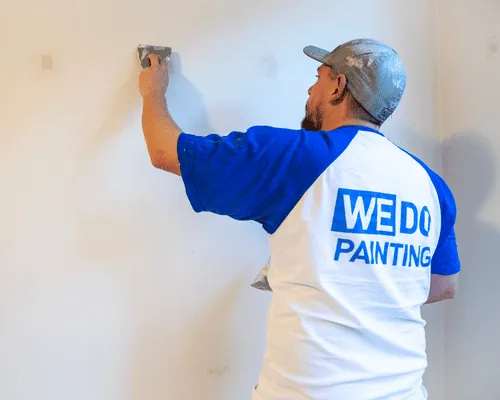
Preparation is one of the biggest factors behind a quality finish and a reliable timeframe. Walls with dents, cracks, water marks, old adhesive, uneven patches or damaged plaster need attention before painting can begin. Exterior timber, metalwork and masonry can also need cleaning, sanding, filling, sealing or priming to make sure the new coating adheres properly.
Small repairs may only add a short period to the job. Larger plaster repairs, timber repairs or areas affected by moisture can add days, particularly where compounds and sealers need time to dry. This work is not an optional extra. It creates the stable, even surface needed for paint to perform well and look right in changing light.
Number of coats and paint specifications
Most painting systems require more than one coat, and the paint itself has a recommended recoat time. A significant colour change, such as moving from a dark tone to a light neutral, may require additional coats for even coverage. Deep colours and very bright whites can also demand careful application to avoid inconsistent coverage.
Specialty coatings can extend the programme as well. Commercial kitchens, warehouses, stairwells and high-traffic areas may need hard-wearing, low-sheen or protective coatings selected for the surface and use of the area. These products are chosen for performance, but their application and curing requirements must be allowed for.
Drying Time Is Not Downtime
Painting involves more than applying a coat and immediately starting the next one. Paint, fillers, primers and sealers all need suitable drying time. Conditions such as low temperatures, high humidity and poor ventilation can slow that process, especially in enclosed rooms or during cooler Melbourne weather.
A surface may feel dry to the touch before it is ready for another coat or regular use. Professional painters follow the coating manufacturer’s instructions and assess the conditions on site. That may mean returning the next day for another coat, rather than forcing the job through too early.
For occupied homes, this timing can be used productively. Painters can often work through separate rooms in a logical sequence, allowing one area to dry while preparation continues elsewhere. The same principle applies in commercial spaces where work may be staged around business hours.
Exterior Painting Depends on Weather and Access
Exterior projects have variables that cannot be controlled in the same way as indoor work. Rain, wind, humidity and temperature all affect when surfaces can be prepared and coated. Painting needs dry surfaces and suitable conditions for the product being used. A forecast change can require the schedule to shift, particularly for larger external areas.
This does not mean every exterior project takes weeks longer than planned. Experienced painters monitor conditions, organise the work in stages and use suitable windows to keep progress moving. Still, a sensible allowance for weather is part of an honest exterior painting schedule.
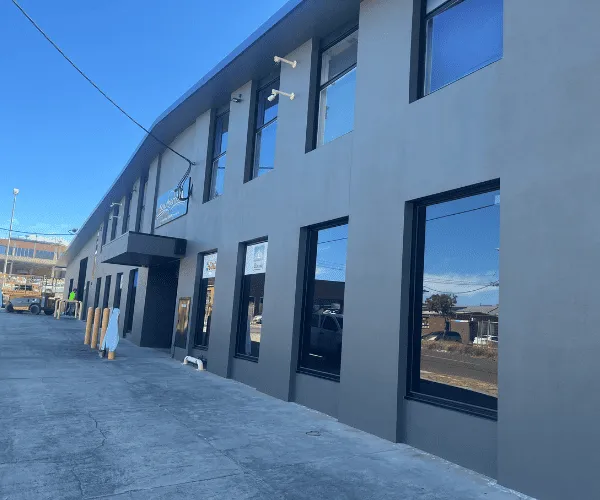
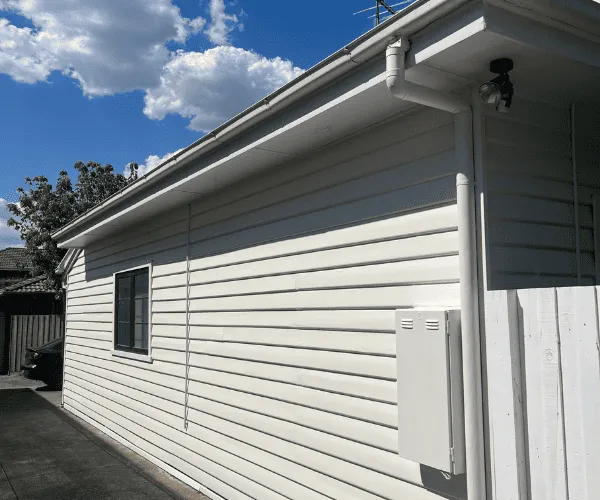
Access is equally important. Single-storey walls with clear ground access are simpler than multi-level façades, high ceilings, narrow side paths or areas above landscaping. Ladders, scaffolding, elevated work platforms and safety set-up take time, but they allow the team to work properly and safely. Cars, outdoor furniture, stock, bins and equipment may also need to be moved or protected before work starts.
Occupancy and Site Coordination Can Change the Schedule
An empty property is generally faster to paint than one that is fully occupied. In a home, furniture may need to be moved, rooms cleared and access coordinated around children, pets, work-from-home arrangements and daily routines. Good planning keeps disruption low, but it can affect the sequence and pace of the work.
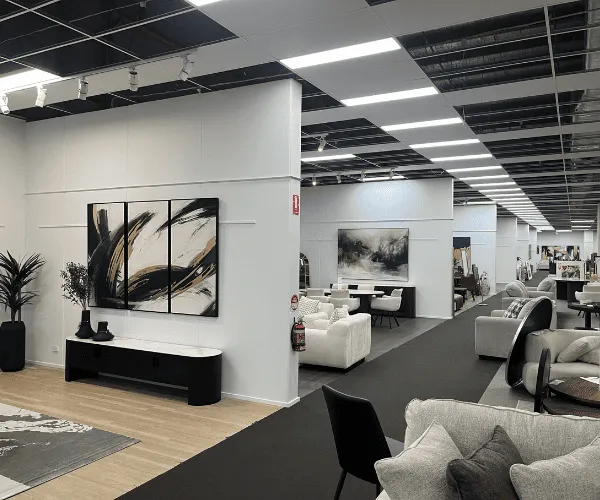
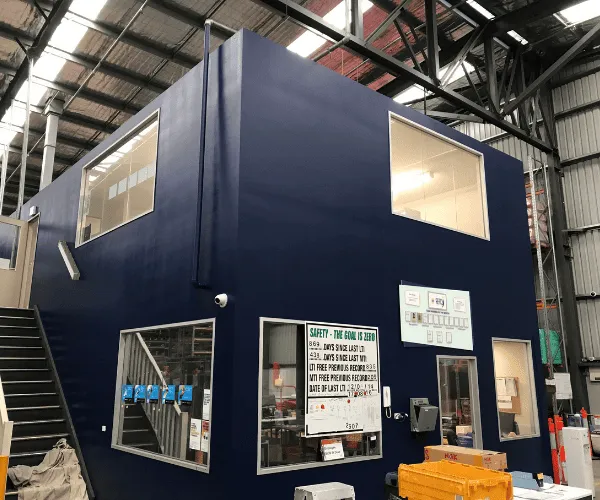
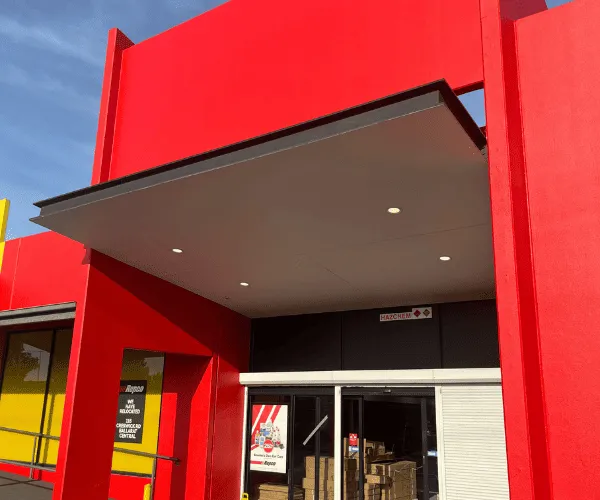
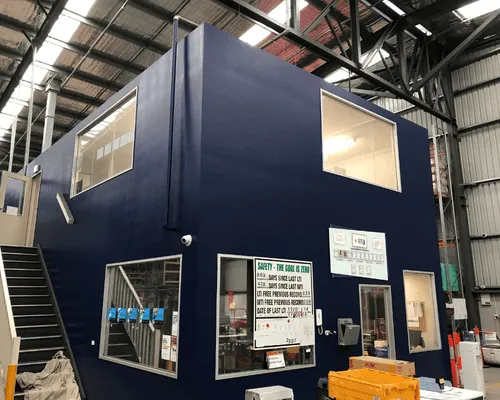
For business owners and property managers, painting often needs to happen without interrupting customers, staff or tenants. Retail spaces may require after-hours work. Offices may need floors completed in stages. Industrial sites can have induction requirements, restricted work zones and strict safety processes. These arrangements are worthwhile because they protect normal operations, but they should be agreed on early rather than added midway through the job.
Building access can also be a factor in apartments, strata properties and commercial complexes. Lift bookings, loading zones, parking, security access and body corporate requirements may affect when materials can arrive and when painters can work. A site inspection makes these details easier to identify before a start date is locked in.
The Value of a Clear Brief Before Work Starts
The quickest way to keep a project moving is to make decisions before the team is on site. Confirming colours, finishes, areas to be painted and any repair requirements avoids delays while the job is underway. Colour selection can take longer than expected, particularly when several people need to approve it or when a business needs the new scheme to match signage and fit-out materials.
It also helps to discuss expectations around furniture, access and working hours. Homeowners may prefer painters to work room by room, while a property manager might prioritise vacant units first. A commercial client may need the public-facing areas completed before back-of-house spaces. There is no single right sequence, but the order should suit the property and the people using it.
Changes can still be managed if they arise. The key is to raise them early, understand their effect on cost and timing, then adjust the plan properly. Clear communication is more useful than promising an unrealistic finish date.
How to Help Your Painting Project Stay on Track
Clients can make a real difference to the efficiency of a painting project without taking on technical work themselves. Before the start date, remove fragile items, personal belongings and small furnishings from the work areas where possible. Let the painting team know about access issues, parking restrictions, pets, alarms or site rules in advance.
For interior work, choose colours and finishes before preparation begins. For exterior work, keep access paths clear and make sure outdoor items that cannot be moved are identified so they can be protected. If you are managing a commercial or industrial site, nominate one person who can answer practical questions quickly and approve any necessary changes.
Most importantly, allow the team to follow the correct preparation, coating and drying process. A project that is planned realistically is far more likely to finish with the standard of workmanship you expect.
A good painting job should fit around your property as carefully as possible, but it should never sacrifice the finish for speed. With a thorough site assessment and a clear plan, WE DO Painting can provide a timeframe that respects your schedule while giving every surface the attention it needs.