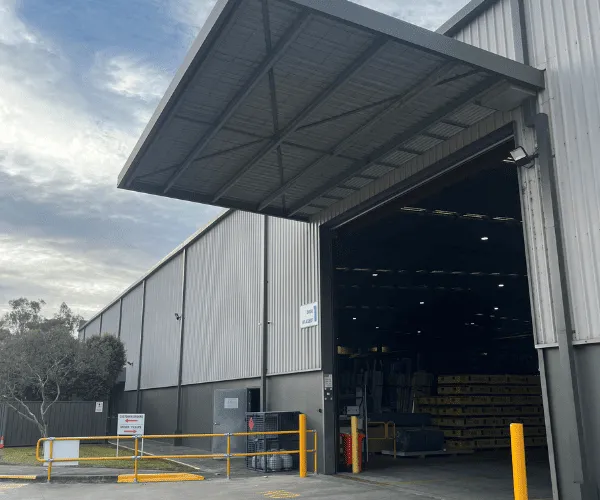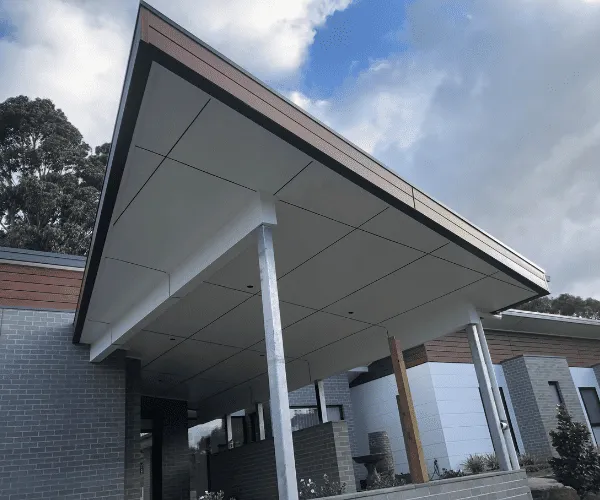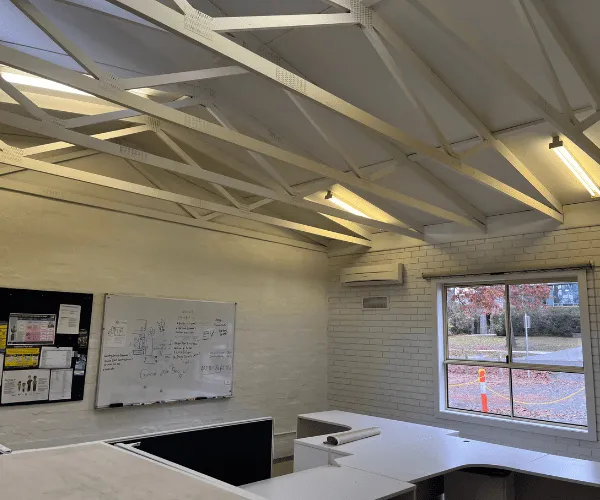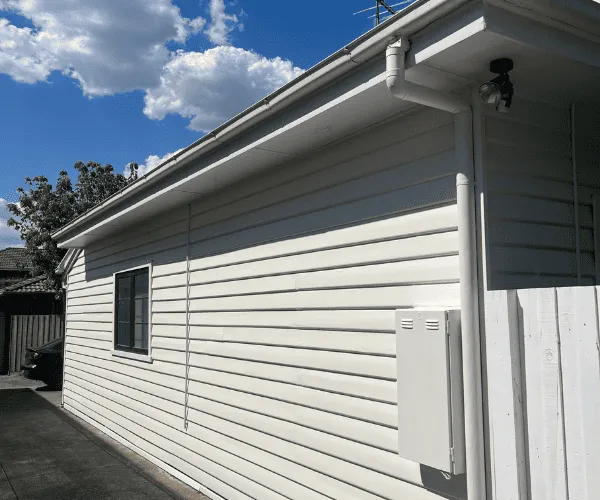
A weatherboard home can look sharp from the street one year and tired the next. In Melbourne, that shift often comes down to exposure – hard sun on one side, driving rain on another, and constant temperature changes working the exterior every season. That is why weatherboard painting Melbourne suburbs property owners plan carefully tends to last better, look cleaner and protect the home properly.
Weatherboards are not just about appearance. They are part of the shell of the house, and the coating system does more than add colour. A good paint job helps manage moisture, shields timber from daily wear and keeps maintenance from turning into a bigger repair bill later. Done properly, it improves presentation and protects value at the same time.
Why weatherboard homes need a different approach
Painting weatherboard is not the same as painting rendered walls or internal plaster. Timber moves. Older boards can have uneven surfaces, small cracks around joints and areas that have seen years of weather. Even homes that look straightforward from the front can need a lot of careful prep once work begins.
That is where many projects are won or lost. If the surface is not cleaned, repaired and stabilised correctly, the finish may look good for a short time but not hold up the way it should. On a weatherboard home, the details matter – edges, gaps, trims, window surrounds and any areas where water tends to sit.
Melbourne suburbs also add another layer to the job. Tree cover, coastal influence in some areas, traffic dust and the age of housing stock all affect how a home should be prepared and painted. A newer weatherboard townhouse in the south east will not always need the same system as an older Californian bungalow on a larger block.
Weatherboard painting in Melbourne suburbs starts with prep
If you ask experienced painters what makes the biggest difference to the result, the answer is usually preparation. Not because it sounds technical, but because it is what determines whether the coating bonds well and wears evenly.
Preparation normally begins with a close inspection. Timber condition, previous coatings, signs of movement and any problem areas around windows, fascia or trims all need to be assessed. From there, the surfaces are cleaned and made ready for coating. In many cases, weatherboard homes also need minor carpentry attention or patching before painting starts. That is especially true on older properties where the exterior has been maintained in stages over time.
This is also the point where the right primer matters. Not every exterior system suits every surface. Some homes need more stain control, some need better adhesion over existing coatings, and some need a system designed to cope with stronger sun exposure. There is no one-size-fits-all answer, which is why quoting properly matters.
Colour choices are not just about taste
Most owners start with the look they want, and that makes sense. Weatherboard homes have a strong character, and the right scheme can lift the whole property. But colour choice also affects heat load, maintenance visibility and how architectural details read from the street.
Lighter shades often suit traditional weatherboard homes because they reflect more light and make trims, windows and verandah details stand out. Darker schemes can look excellent on modernised homes, but they tend to show dust more readily and may put more thermal stress on some surfaces. That does not mean dark colours are a bad choice. It means the condition of the boards, the orientation of the house and the selected paint system all need to line up.
In Melbourne suburbs with a mix of heritage homes and updated family properties, the best result is usually one that suits both the style of the house and the level of upkeep the owner is comfortable with. A bold palette can be striking, but only if it still feels right six months later.
Timing matters more than many people expect
Exterior painting always depends on weather, but weatherboard homes are especially sensitive to timing because timber reacts to moisture and temperature. A good schedule allows surfaces to dry properly, coatings to cure as intended and work to move efficiently without rushing.
This is one reason winter jobs are not automatically off the table, and summer jobs are not automatically ideal. It depends on the forecast, the site conditions and the stage of the project. A mild run of days can be better than a hot week with direct sun baking one side of the house. The practical point is simple – planning around the conditions gives a better finish than forcing the job to fit a date.
For occupied homes, timing also affects convenience. Families, tenants and property managers usually want minimal disruption. A well-run exterior job should be staged sensibly, with clear communication around access, drying time and any repairs that need to be handled before coating continues.
What homeowners should expect from a professional quote
A proper quote for weatherboard painting should do more than give a price per square metre or a broad estimate. It should reflect the actual condition of the home and explain what is included. That means preparation, repair allowances where relevant, primers, topcoats and the scope of trims, windows, doors and related elements.
This matters because two quotes can look similar on paper while covering very different levels of work. One may include thorough prep and a complete system. Another may allow for less surface work or fewer coats. The cheaper option is not always poor value, but it is only worth considering if the scope is genuinely comparable.
For owners of investment properties and commercial-style weatherboard buildings, this is even more important. Budget matters, but so does lifecycle value. Spending less now can lead to earlier maintenance if the coating system is not suited to the property.
Common issues around weatherboard painting Melbourne suburbs homes face
The challenge with many Melbourne homes is that they have not all aged the same way. Even on the same street, one weatherboard property may have been carefully maintained for years, while the next has had patch-up work done at different times with different materials.
That creates a few practical issues. First, old and new repairs can absorb paint differently, which affects the final appearance if they are not treated properly. Second, trims and ancillary elements such as eaves, fascia and external timber features may need a separate approach. Third, some owners want a full refresh while others only want to address the most visible areas. That can work, but only if the scope is planned honestly.
There is also the question of whether to repaint in the same colour family or make a bigger change. A full colour change can transform a home, but it usually takes more work to achieve even coverage, particularly on trims and detailed sections. If the goal is fast impact with controlled cost, staying closer to the existing palette may be the better option.
Why repairs and painting often belong in the same project
One of the biggest advantages of using a contractor who understands both painting and associated repair work is continuity. On weatherboard homes, exterior painting often uncovers small issues that should be dealt with before the finish coats go on. That might involve timber attention, patching or minor carpentry to make sure the final result is sound as well as attractive.
Separating those jobs between multiple trades can slow the project down and create uncertainty around responsibility. A joined-up approach tends to save time and makes the finish more consistent. It also gives the owner a clearer picture of what the property actually needs rather than what can be seen from the driveway.
For many homes across the south eastern suburbs, that practical approach matters more than flashy promises. People want the house to look better, hold up well and be handled by a team that communicates clearly from quote to completion. That is the standard a company like WE DO Painting aims to bring to every exterior project.
The result worth paying for
A strong weatherboard paint job should look clean on day one, but that is not the only measure of quality. The real test is how it carries through changing weather, how evenly it ages and how much maintenance it saves over the next few years.
That comes back to the basics – proper preparation, the right coating system, sensible scheduling and workmanship that does not cut corners. For homeowners and property managers, that is where confidence comes from. Not from sales language, but from knowing the job has been done properly.
If your weatherboard home is starting to look tired, treat painting as both presentation and protection. The best results usually come from acting before minor exterior wear becomes a larger maintenance issue.