Property Maintenance Painting Guide

Property Maintenance Painting Guide

A practical property maintenance painting guide for homes, businesses and facilities. Learn what to check, when to paint, and how to protect value.

A faded wall in a rental, marked skirtings in an office, or weather-worn exterior trim on a family home can all point to the same issue – maintenance has slipped from planned work to urgent work. A solid property maintenance painting guide helps you stay ahead of that cycle. The goal is not just to make a place look better. It is to protect surfaces, reduce avoidable repair costs, and keep the property presenting well year after year.

Painting maintenance works best when it is treated as part of property care, not as a once-off cosmetic job. For homeowners, that means protecting the value and presentation of the home. For property managers and commercial operators, it means fewer complaints, a better standard of presentation, and less disruption when work is scheduled properly.

What a property maintenance painting guide should cover

A useful property maintenance painting guide starts with one simple idea: not every surface ages at the same rate. High-traffic internal areas, sun-exposed external walls, timber trim, ceilings in wet areas, and commercial fit-outs all wear differently. If you treat every part of a property the same, you either overspend or leave vulnerable areas too long.

That is why inspections matter. A regular review of painted surfaces gives you a clearer picture of what needs immediate attention, what can be scheduled later, and what may need repair work before painting begins. In many cases, the paint itself is only part of the job. Plaster damage, timber movement, minor dents, water staining and worn sealants can all affect the final finish and the life of the coating.

A maintenance approach is also about timing. Leaving surfaces too long can mean a bigger scope of work later. Acting too early can mean spending money before it is necessary. The right schedule depends on the type of property, the amount of use it gets, and the conditions it faces.

How to assess painting needs across a property

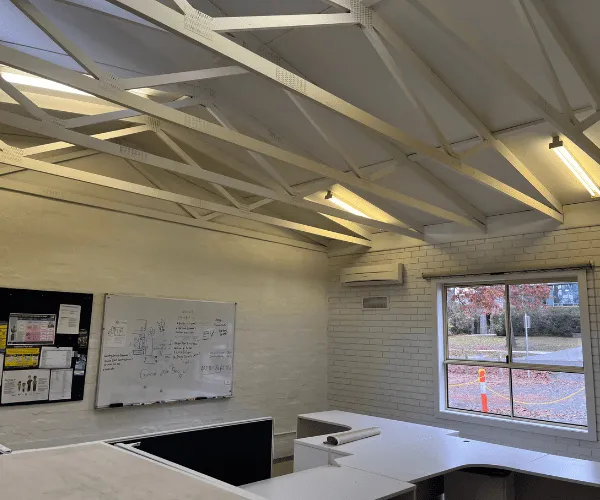
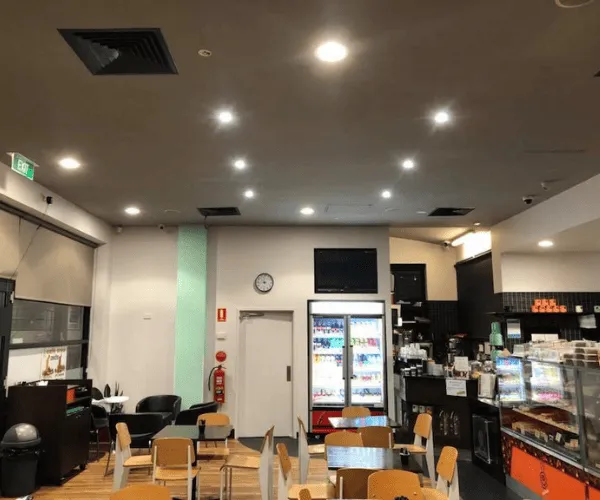
The best place to start is with a property-by-property inspection. Walk through the site with a practical eye and note where the finish has dulled, where walls are marked, where moisture-prone rooms are showing wear, and where exterior surfaces are taking the brunt of sun and rain. In a commercial setting, first impressions also matter. Entry points, reception areas, shopfronts and common spaces usually need more regular attention than low-traffic back-of-house areas.

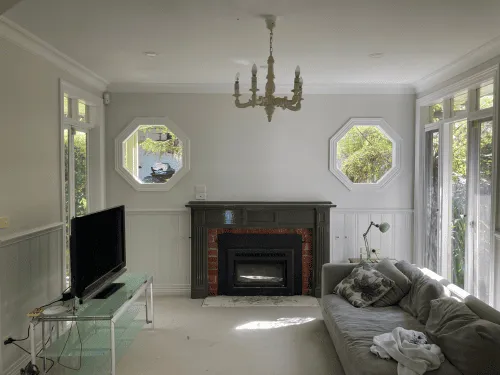
Inside a home, hallways, kitchens, bathrooms, doors, architraves and skirtings often show wear sooner than bedrooms or formal spaces. In rental properties, turnover periods are a good time to reassess paintwork. It is often more efficient to handle touch-ups and full repaints between occupants than to work around a lived-in space later.

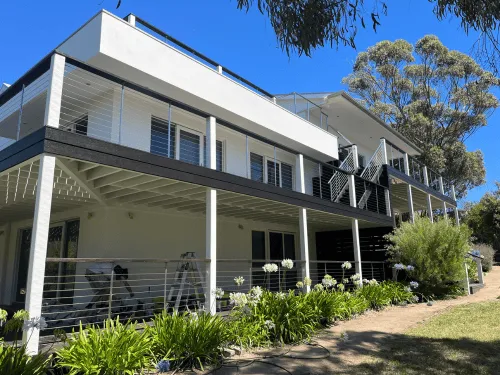
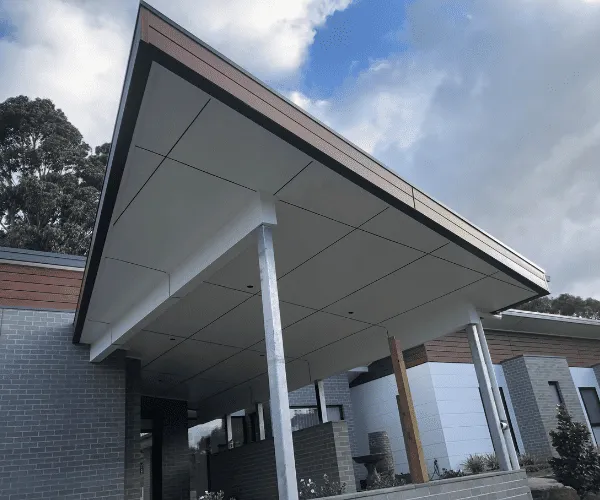
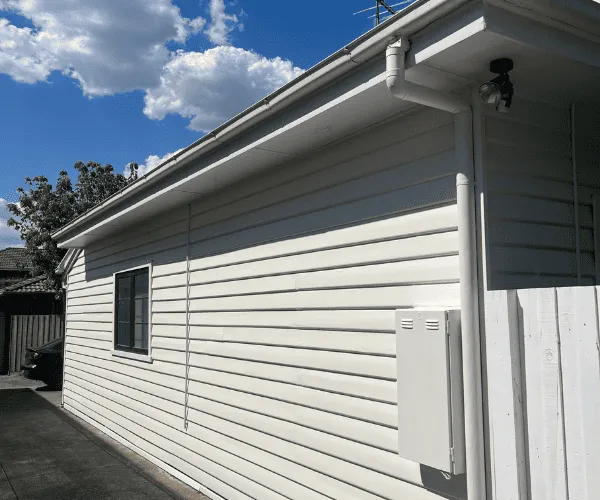
Externally, check fascias, eaves, timber trim, rendered surfaces, fences and any exposed cladding. Melbourne conditions can be hard on painted exteriors, particularly where there is strong sun on one elevation and more moisture exposure on another. Even on the same property, one side may need attention earlier than the rest.

Maintenance painting versus a full repaint

One of the most common questions is whether a property needs spot work, partial repainting or a full repaint. The answer depends on the condition of the existing finish and how consistent you want the result to look.

Maintenance painting is often the right choice when wear is limited to specific areas. This can include walls in corridors, doors, trims, ceilings in selected rooms, or one section of an exterior that has aged faster than the rest. It is a practical way to keep a property presentable without committing to a full-scale project.

A full repaint makes more sense when the finish is broadly tired, colours no longer suit the property, or patchwork repairs across multiple areas would leave an uneven result. For commercial properties, consistency can be especially important because presentation reflects directly on the business. For homeowners preparing to sell, a full repaint may also deliver a stronger return than piecemeal touch-ups.

There is always a trade-off. Targeted maintenance usually lowers short-term costs, but if too many areas are nearing the end of their service life, repeated small jobs can become less efficient than repainting properly in one planned stage.

Why preparation matters in painting maintenance

Good maintenance painting is built on preparation. That includes cleaning, sanding, patching, caulking where needed, and making sure the surface is sound before the first coat goes on. Rushing through this stage may save time at the start, but it usually shows in the finish and how long it lasts.

This is also where experience matters. A wall with minor damage may need plaster repair first. Timber trim may need carpentry attention before painting can achieve a clean line and solid result. In bathrooms, laundries or commercial amenities, moisture-related issues should be identified before any coating work is scheduled.

For property owners, this is worth remembering when comparing quotes. A cheaper price can look attractive until you realise it allows very little for preparation or associated repair work. Painting maintenance should improve both appearance and durability. If it only handles the visible surface, it may not solve the actual problem.

Choosing the right schedule for your property

There is no single timetable that suits every building. A family home that is well looked after may only need selected interior updates every few years, while a rental or busy office may need frequent touch-ups in common areas. Likewise, an industrial facility with heavy use and strict operational demands needs a different maintenance plan from a retail shopfront.

A practical approach is to set annual inspections, then plan works based on condition and priority. High-visibility and high-contact areas should usually come first. External works are often best planned around suitable weather windows and operational convenience. For businesses, quieter trading periods can be the best opportunity to complete work with minimal disruption.

Staging can also be smart. You do not always need to paint everything at once. Many owners and managers get better budget control by breaking work into manageable sections while still following an overall maintenance plan.

A property maintenance painting guide for homes, businesses and facilities

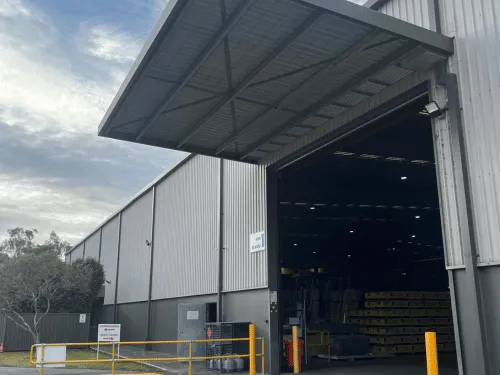
Homes, commercial sites and industrial properties all have different demands, but the principle stays the same: maintain surfaces before small issues become larger jobs. In homes, the focus is often on preserving appearance, keeping interiors fresh, and protecting exterior materials. In commercial spaces, presentation, brand image and day-to-day practicality are just as important as finish quality. In industrial environments, safety, durability and scheduling around operations can shape the whole job.

That means the right contractor should be able to do more than apply paint. They should identify what sits behind the wear, recommend the right scope, and organise the work in a way that suits the site. For many clients, that is the difference between a short-term patch-up and maintenance that genuinely supports the property over time.

What to look for when hiring a maintenance painter

Reliability matters just as much as workmanship. Property maintenance jobs often involve occupied homes, tenants, staff, customers or active worksites. You need clear communication, realistic timelines, and a team that shows up prepared.

It also helps to work with painters who understand repair work as part of the process. If plaster issues, timber damage or surface defects are missed during quoting, the project can quickly shift in cost and timing. A thorough site assessment reduces those surprises.

Ask practical questions. What preparation is included? Which areas are being treated now, and which can wait? How will the work be staged to limit disruption? A professional contractor should be able to answer those plainly, without dressing it up.

For owners and managers across Melbourne, especially where multiple property types need attention, working with one dependable team can simplify ongoing maintenance. That is where a full-service contractor such as WE DO Painting can add real value – not by overcomplicating the job, but by handling painting, repairs and scheduling in a way that keeps the property performing as it should.

Budgeting for maintenance without cutting corners

The cheapest option is not always the most economical. If the scope is too light, preparation is reduced, or the wrong product is used for the environment, the finish may not hold up as expected. On the other hand, not every property needs a premium full repaint straight away.

A better approach is to budget by priority. Focus first on surfaces that affect protection, presentation and everyday use. Then plan lower-priority works into future stages. This gives you a clearer path forward without allowing the whole property to drift.

Painting maintenance is one of those jobs that pays off when it is done before it becomes urgent. If you treat it as part of your regular property plan, you protect the finish, support the value of the asset, and avoid the stress of bigger catch-up works later. A well-kept property does not happen by accident. It comes from checking the right areas, fixing what needs attention, and doing the work properly when the time is right.