A period home can tell you what it needs if you look closely enough. Fine cracking around a cornice, weathered timber at a verandah post, tired joinery or mismatched paint layers are not just cosmetic issues. They are clues about age, moisture, movement and past repair work. Good period home restoration starts by understanding those clues before a brush or scraper comes out.
For Melbourne homeowners, restoring a Victorian, Edwardian, Californian bungalow or mid-century property is about more than making it look fresh. The work needs to protect original character while giving exposed surfaces the preparation and coating system they need to perform in local conditions.
Period home restoration starts with assessment
The quickest way to lose the character of an older home is to treat it like a standard repaint. Older buildings were made with different materials, different construction methods and often several generations of alterations. A quality outcome depends on assessing the condition of each area, not applying one solution everywhere.
Exterior timberwork deserves close attention. Fascias, window frames, eaves, fretwork and verandah details can take the full impact of rain, sun and changing temperatures. Small gaps in joints or worn sections of timber can allow moisture in, which then affects the surrounding finish. Addressing these issues early is generally more straightforward and more cost-effective than waiting until the damage spreads.
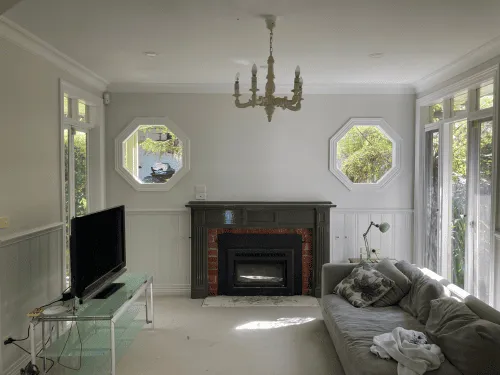
Inside, plaster walls and ornate ceilings may show settling cracks, previous patching or uneven surfaces beneath old paint. The right repair process restores a smooth, sound base without flattening the details that make the room special. Ceiling roses, picture rails, decorative cornices and original skirtings should be prepared carefully rather than covered in thick coatings that soften their profile.
A proper assessment also identifies practical risks. Some older properties may contain lead-based paint in earlier layers. This needs controlled preparation and sensible site practices to reduce dust and protect occupants, workers and neighbouring properties. It is one reason period work should not be rushed.
Keep the original features where they matter
Not every old surface needs to look perfect to look right. A period home has proportions and details that create its appeal: deep architraves, timber sash windows, tuckpointed brickwork, verandah trims and high ceilings. The goal is to improve condition and presentation without making those features look new in the wrong way.
That does not mean every mark must remain. It means repairs should suit the feature, and finishes should support the age and style of the property. Timber repairs need sound, stable material and careful shaping. Plaster repairs need to blend into the surrounding wall or ceiling. Gaps around joinery should be filled neatly so painted edges are clean, while allowing for normal movement where required.
There is always a balance between restoration and renovation. If a home is heritage-listed or located in an area with planning controls, exterior changes may require extra consideration. Even where formal controls do not apply, keeping original features intact can protect the property’s street appeal and future value.
Preparation determines the finish
Paint is only as reliable as the surface below it. This is especially true on homes with decades of paint layers, weather exposure and patch repairs. Thorough preparation takes time, but it is where lasting results are made.
For exterior work, preparation may include washing down surfaces, removing loose material, sanding rough areas, filling minor imperfections, repairing damaged timber sections and sealing exposed substrates. The right sequence depends on the surface and its condition. Old timber, masonry, metal and plaster all need different treatment.
Internal preparation often involves repairing cracks, patching damaged plaster, sanding repairs smooth and ensuring stains or uneven surfaces are properly sealed before top coats are applied. If preparation is skipped, even a premium paint can show flaws or wear sooner than expected.
A professional painter should explain what will be repaired, what will be retained and where a more extensive trade repair may be needed. Clear communication matters because period homes often reveal additional work once preparation begins. A straightforward discussion before and during the job helps keep decisions practical and the project moving.
Why compatible coatings matter
Older homes are not always suited to the same coating approach used on newer construction. Some masonry and timber surfaces need coatings that allow normal moisture movement, while other areas need stronger protection from weather and daily wear. Applying an unsuitable product can create issues that are difficult to correct later.
The right system considers the existing surface, the environment and the desired appearance. A sheltered hallway wall has different demands from a north-facing weatherboard elevation. Likewise, a low-sheen finish may suit broad internal walls, while a durable semi-gloss or gloss finish can better highlight and protect detailed trim, doors and windows.
Colour selection should respect the architecture without becoming a history lesson. Traditional palettes can work beautifully on Victorian and Edwardian homes, but they are not the only choice. The best scheme usually considers the fixed elements already there – brick, roof colour, stone, tiles, flooring and garden setting – then uses colour to give the home a coherent look.
Plan the work around the home and its occupants
Period home projects can be disruptive if they are poorly planned. The right contractor will organise access, protect floors and furnishings, manage dust, and stage the work so everyday living can continue where possible. For occupied homes, it may make sense to complete interiors room by room. For larger exterior projects, the work can be sequenced around weather, access and the areas needing the most urgent attention.
A detailed quote is valuable because it sets expectations early. It should make clear which surfaces are included, what preparation and repairs are allowed for, the coating system proposed and any conditions that could affect the scope. The lowest price is not always the best value if it leaves out the preparation that protects the finish.
Timing also matters. Exterior painting needs suitable weather conditions, particularly for timber and masonry preparation. Rushing a coating onto damp or poorly prepared surfaces is not a good trade-off. A reliable turnaround is important, but the work still needs enough time between stages for repairs, primers and finish coats to do their job.
Know when restoration becomes a larger repair job
Painting can protect surfaces and transform a property, but it cannot solve every underlying issue. If timber is extensively decayed, plaster is failing because of ongoing water entry, or cracks suggest structural movement, the source of the problem needs to be addressed first.
This is where a full-service approach is useful. Minor carpentry and plaster repairs can often be managed as part of the painting project, keeping the finish consistent and avoiding unnecessary delays. More significant building, roofing, drainage or structural concerns may need specialist attention before decoration begins.
Honest advice is part of quality workmanship. Sometimes the best result is a carefully staged plan: make the home weather-tight, complete repairs, then prepare and paint once the surfaces are stable. It may take longer, but it protects the investment you are making in the property.
A finish that looks right and lasts
The final coats are the visible part of period home restoration, but they should be the result of careful decisions made much earlier. Clean lines around period joinery, even coverage on broad walls, well-finished repairs and a colour scheme that suits the building all add up to a home that feels cared for rather than simply redecorated.
Ongoing maintenance helps preserve that result. A regular check of exterior timber, gutters, sealant joints and high-exposure areas can identify small issues before they become larger jobs. Internal touch-ups and timely repairs also keep original rooms looking their best without needing a full repaint too soon.
For a period property, the right painting work does not compete with its history. It gives the craftsmanship already there the protection and presentation it deserves. If you are planning work on an older Melbourne home, take the time to assess it properly, choose tradespeople who respect the details, and build the project around a finish that will stand up to daily life.