Painting Upgrades for Property Value

Painting Upgrades for Property Value

Painting upgrades for property value can lift street appeal, protect surfaces and help homes or commercial spaces present better to buyers.

A tired façade, marked walls or peeling trim can pull a property down faster than most owners expect. When people talk about painting upgrades for property value, they are usually talking about more than fresh colour. They are talking about presentation, maintenance, protection and the confidence a property gives a buyer, tenant or visitor the moment they arrive.

Paint is one of the few upgrades that can change how a place feels almost immediately. It can make a home look cleaner, brighter and better kept. It can help a shopfront look more professional. It can also signal that the owner has stayed on top of maintenance, which matters just as much as appearance when someone is deciding what a property is worth.

Why painting upgrades for property value work

A good paint job does two things at once. First, it improves visual appeal. Second, it helps protect the building materials underneath. That combination is what gives painting real value.

For residential properties, buyers often make snap decisions. If the exterior looks faded or the interior feels dark and worn, they start mentally adding costs before they have even inspected the whole place. Fresh paint reduces that friction. It suggests less work is needed after settlement and helps buyers picture themselves moving straight in.

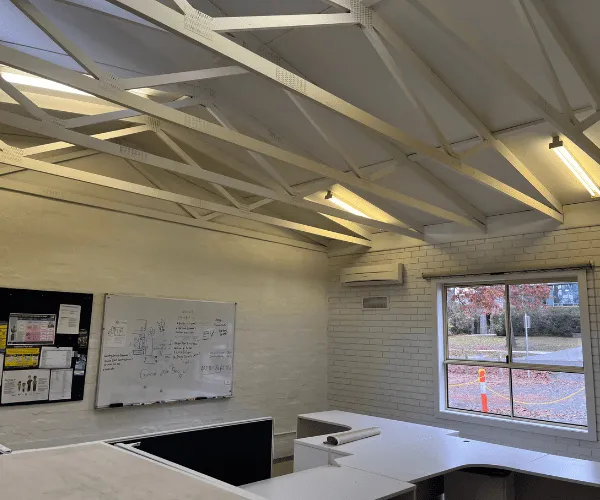
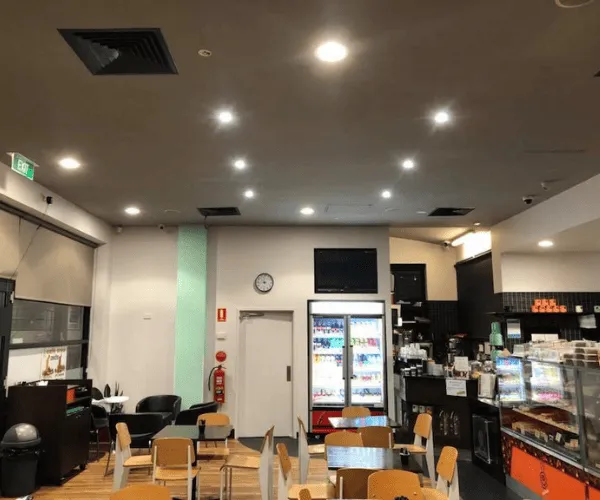
For commercial and industrial properties, the thinking is slightly different but the principle is the same. Presentation affects trust. A well-painted office, retail space or facility looks cared for and operationally sound. For landlords and property managers, that can support leasing efforts and reduce the sense that the asset has been neglected.

That said, not every painting project delivers the same return. The best results come from choosing upgrades that suit the property type, condition and market.

Start with the areas people notice first

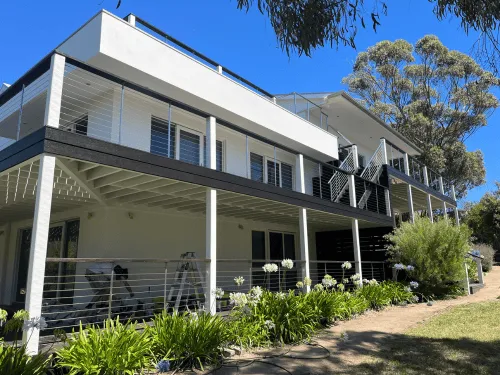
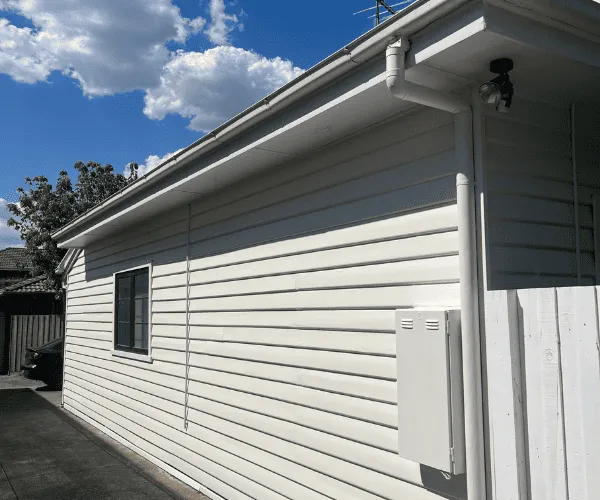
The highest-impact painting work is usually the most visible. On a house, that often means the front elevation, entry, weatherboards, trim, eaves and fence line. If the street appeal is weak, even a well-presented interior has to work harder to change someone’s mind.

A clean, professionally painted exterior can sharpen the whole property. Neutral body colours with crisp trim tend to have the broadest appeal, especially if the goal is resale. Bold colour choices can work well in the right setting, but they can also narrow the market. If you are painting to increase value rather than express personal taste, restraint usually pays off.

Inside, focus on spaces that shape first impressions and day-to-day livability. Entry areas, living rooms, kitchens, hallways and main bedrooms tend to matter most. If budgets are tight, repainting these zones well is often more effective than spreading money thinly across every room.

Interior upgrades that add value without overcapitalising

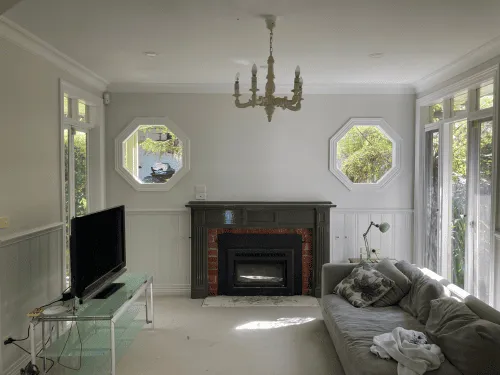
Interior painting is often the quickest way to modernise a property. Older colour schemes, patchy repairs, scuffed skirtings and stained ceilings can make even a structurally sound home feel dated. A fresh coat in the right colour can lift the entire presentation.

Soft whites, warm neutrals and light greys remain reliable choices because they brighten rooms and suit a wider range of furnishings. They also photograph better, which matters when a property is going to market. Dark feature walls and highly specific tones may suit an owner-occupier, but they do not always help value if the aim is broad buyer appeal.

Ceilings and woodwork are often overlooked, but they make a difference. A clean ceiling can make a room feel fresher and taller. Sharp skirting boards, architraves and doors help the whole finish look complete. If walls are repainted but trim is left chipped or yellowed, the job can feel half done.

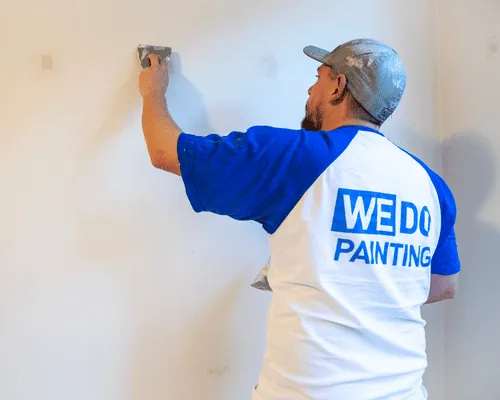
There is also a practical side. Before painting, surface preparation matters. Minor plaster repairs, filling cracks and sanding rough areas help produce a better finish and a more durable result. This is one reason professional painting tends to outperform quick cosmetic work. Buyers and tenants notice quality, even if they cannot always explain why.

Exterior painting and protection go hand in hand

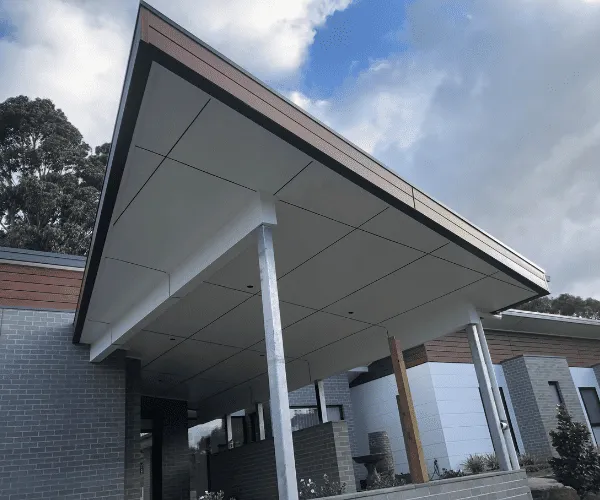
Exterior painting carries strong value because it affects both appearance and building durability. Timber, render, masonry and metal surfaces all wear differently under sun, rain and general exposure. Once coatings start to fail, the issue is no longer just cosmetic.

A proper exterior repaint can help protect surfaces from moisture, UV damage and ongoing deterioration. That is valuable in its own right because it may reduce the likelihood of more expensive repairs later. It also gives prospective buyers confidence that maintenance has not been deferred.

The best exterior upgrades are usually the ones that deal with visible wear properly. Peeling paint, rotten trim, hairline cracking and flaking window frames should not simply be painted over. Preparation and repairs are part of the value equation. A neat finish on top of unresolved damage rarely holds up, and it can create distrust once the defects become obvious.

For many Melbourne properties, external timber trim, weatherboards and rendered surfaces need careful product selection as well as good workmanship. The right system helps the finish last and keeps the property looking sharper for longer.

The colour question: safe sells better than clever

One of the most common mistakes in value-driven painting is treating the project like a personal redesign. If you plan to stay in the property for years, your own preferences should carry weight. If the priority is resale or lease appeal, broad market preference matters more.

This does not mean every property should be painted plain white from end to end. It means the colour scheme should feel current, clean and easy to live with. Buyers want to see potential. They do not want to be distracted by colours they know they will need to change.

For homes, neutral palettes usually make rooms feel larger, lighter and better maintained. For commercial spaces, clean and professional finishes tend to be the safest choice unless branding requirements call for something more specific. In industrial settings, durability, cleanliness and compliance are often more important than style.

When painting alone is not enough

Painting can add value, but it works best when paired with basic repair work. Damaged plaster, swollen timber, water stains and failed sealants will still read as problems even after a fresh coat. In some cases, painting highlights those defects rather than hiding them.

That is why practical upkeep should come before decoration. Small repairs to walls, ceilings, trims and external elements can significantly improve the final result. A professional contractor who can identify those issues early helps avoid wasted time and money.

This matters for landlords and commercial operators as well. If the goal is asset presentation and long-term maintenance, the finish needs to be backed by proper preparation. A rushed paint job may look acceptable for a short period, but it rarely delivers the same value or lifespan.

Choosing upgrades based on the property type

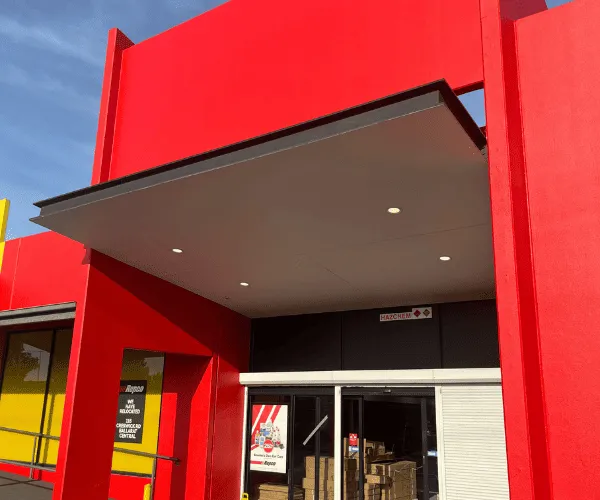
Not every property benefits from the same scope of work. A family home preparing for sale might need a full interior refresh and a front exterior repaint. A rental property may get better value from durable wall coatings in high-traffic areas and a tidy-up of doors and trims. A retail tenancy often benefits most from a sharp frontage and a clean internal fit-out that presents well to customers.

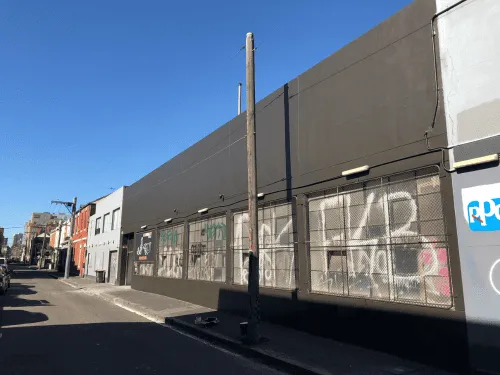
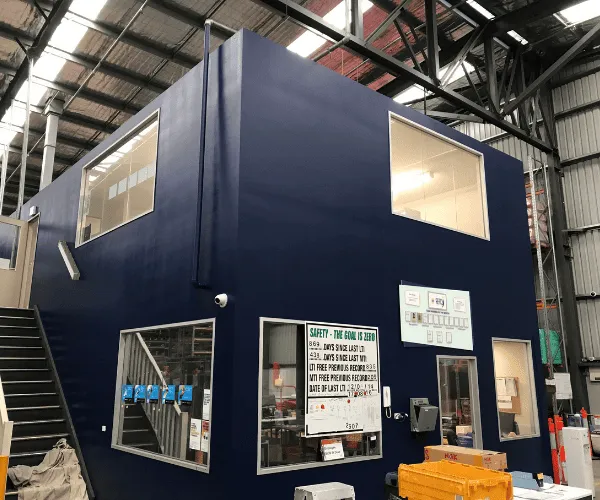
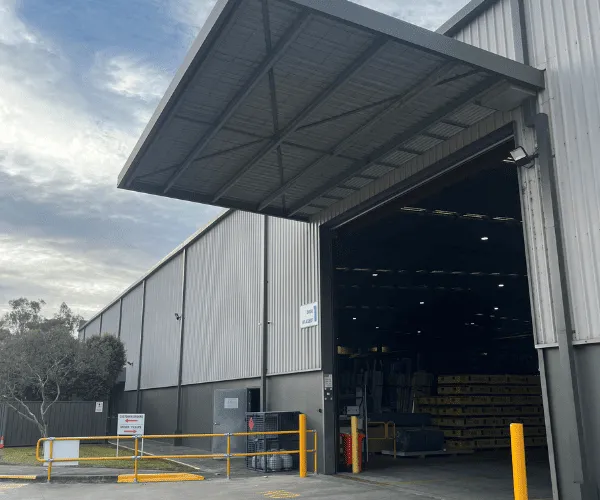
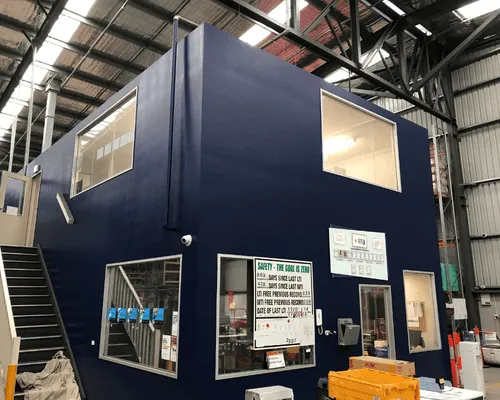
Industrial and commercial sites usually need a more practical lens. Coating systems, safety marking, hard-wearing finishes and maintenance planning may do more for value retention than decorative changes. For these properties, professional presentation still matters, but durability and reduced downtime often matter more.

Professional workmanship affects the outcome

If painting is being done to improve value, the standard of the job matters. Buyers can spot rushed cutting in, uneven coverage, overspray and poor prep. These issues do not just reduce visual appeal. They can make the property feel cared for in a superficial way rather than properly maintained.

A reliable painting contractor helps with more than application. They can advise on colours, identify repair issues, recommend appropriate products and plan the work to minimise disruption. For owners managing a home, commercial space or investment property, that guidance can be just as valuable as the final coat of paint.

Good communication also matters. Clear quoting, realistic timelines and a tidy, professional finish make the process smoother and help ensure the upgrade actually supports the property’s value rather than becoming another job to chase up later.

What gives the best return?

The best return usually comes from painting that solves obvious presentation problems, protects exposed surfaces and suits the target market. It is rarely about choosing the most expensive finish or repainting every square metre for the sake of it.

If you are deciding where to spend, start with what looks tired, worn or neglected. Then think about what a buyer, tenant or customer sees first. In many cases, a well-planned repaint of key internal areas and the most visible external surfaces will outperform a larger but less focused project.

For property owners who want practical results, painting remains one of the smarter upgrades because it improves both perception and condition. Done properly, it does not just make a place look better on the day. It helps the property stand up better over time, and that is where real value starts.