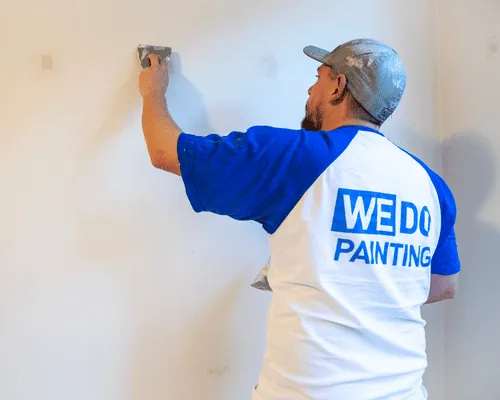
A rental can look tired long before it is actually worn out. Scuffed walls, faded trims and damp-stained ceilings all send the same message to tenants and inspectors – this place is not being looked after. That is why painting maintenance for rental properties is not just about appearance. It is part of protecting the asset, reducing future repair costs and helping the property stay easier to lease.
For landlords and property managers, timing matters. Leave paintwork too long and small cosmetic issues become larger maintenance jobs. Act too early and you may spend money where it is not needed. The right approach sits in the middle – regular checks, practical touch-ups and full repaints only when the condition or presentation calls for it.
Why painting maintenance for rental properties matters
Paint does more than improve how a property looks. Inside, it helps walls, ceilings, doors and trims stand up better to everyday use. Outside, it acts as a protective layer against weather, moisture and general ageing. When that finish starts to break down, surfaces become harder to clean, harder to maintain and more likely to need broader repair work.
In a rental setting, there is another factor – turnover. A property that presents well at inspection tends to attract better interest, photographs more cleanly in advertising and gives incoming tenants confidence from the start. It also sets a standard. When a home looks cared for, tenants are often more likely to treat it that way.
This does not mean every tenancy change needs a full repaint. In many cases, a maintenance-focused approach is the smarter option. Cleaning marks, refreshing high-traffic areas and addressing localised damage can bring a property back to a solid standard without unnecessary expense.
What usually wears first in a rental
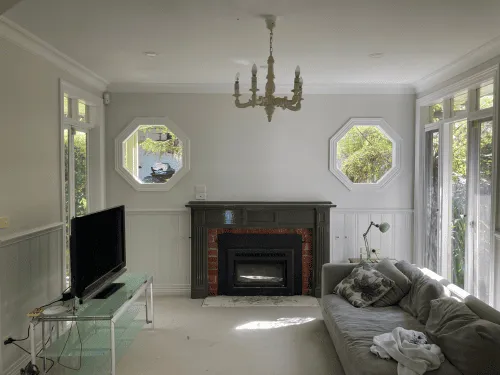
Most rental properties do not age evenly. Hallways, entry areas, living rooms and kitchens generally show wear earlier than bedrooms or formal spaces. Around light switches, door frames and corners, paintwork tends to mark up faster simply because those surfaces get more contact.
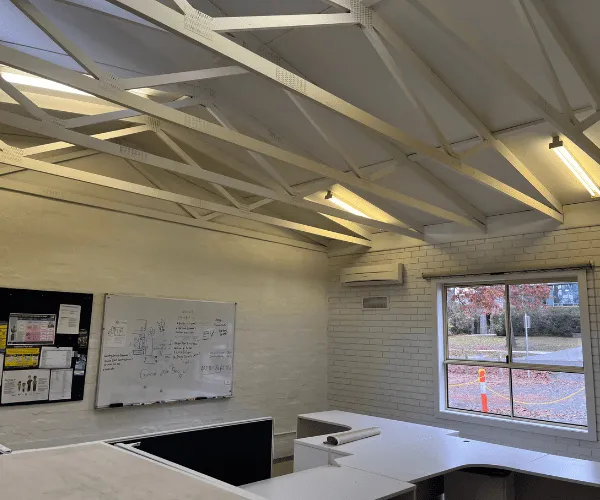
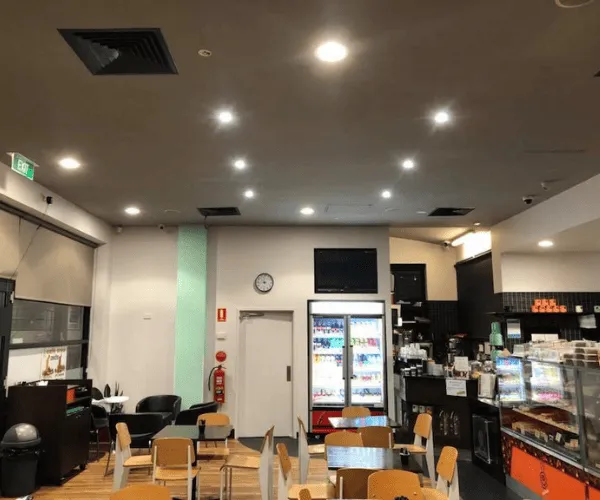
Ceilings can also tell you a lot about a property’s condition. Water marks, past patching or general discolouration are often more noticeable overhead than owners expect. In bathrooms and laundries, moisture exposure can shorten the life of the coating system if ventilation is poor.
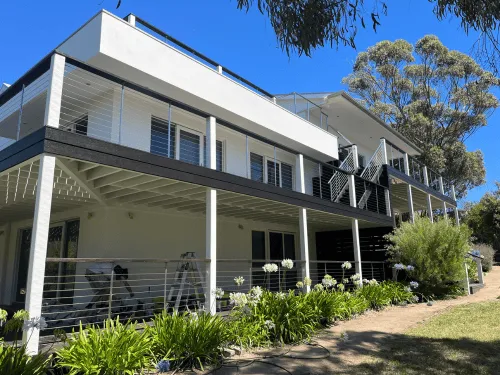
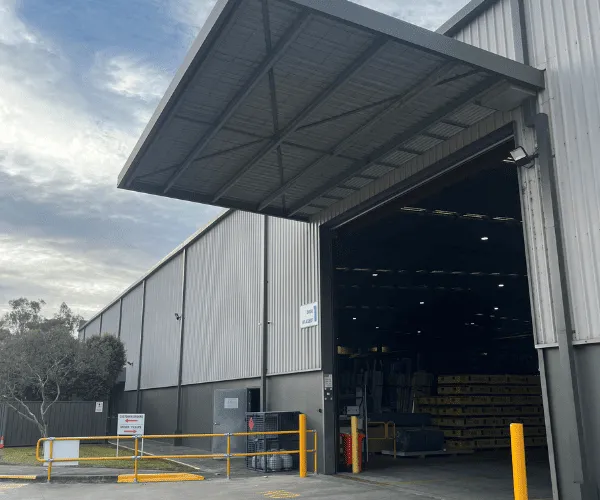
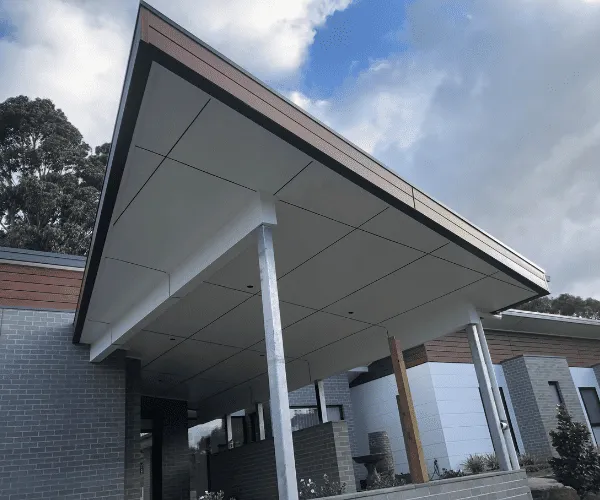
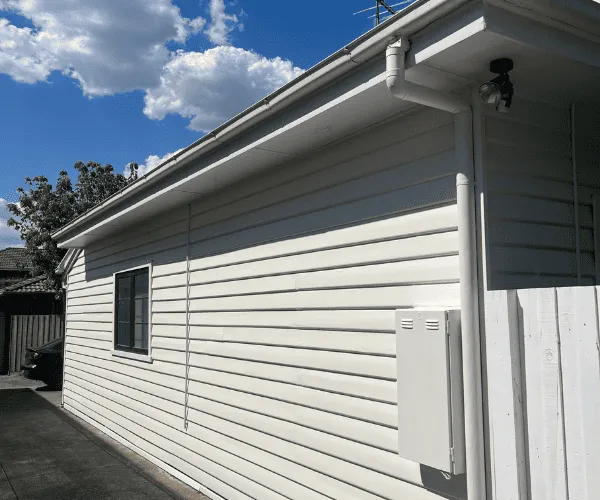
Externally, the problem areas are usually the ones that get the most sun, rain and movement. Fascias, weatherboards, eaves, garage doors and timber trims may all need attention at different times depending on material, exposure and previous preparation. That is one reason maintenance schedules should be based on actual condition, not a fixed calendar alone.
When a touch-up is enough and when a repaint makes more sense
This is where many landlords either overspend or wait too long. A touch-up can work well when the existing paint is still in sound condition, the affected areas are limited and the original product and colour can be matched closely. For a property between tenants, that may be enough to lift presentation without committing to a larger job.
A full repaint is often the better call when patchiness will remain visible, multiple rooms have reached the same stage of wear or earlier repairs have left the finish inconsistent. It can also make sense if the property has not been painted in years and the overall impression is starting to affect leasing appeal.
There is a budget trade-off here. Spot maintenance usually costs less upfront, but repeated patching across many areas can become inefficient. A full repaint costs more at the start, yet it can reset the condition of the property and reduce recurring call-backs for a while. The right choice depends on the age of the current finish, tenant turnover patterns and whether the goal is short-term presentation or longer-term asset care.
Choosing practical finishes for rentals
Not every paint finish suits a rental. In owner-occupied homes, people may choose colours and finishes around personal taste. In rental properties, durability and ease of upkeep usually matter more.
Low-sheen and washable finishes are often a sensible choice for walls because they are easier to clean than very flat paints while still hiding surface imperfections reasonably well. Semi-gloss or gloss can work well on trims, doors and architraves where durability matters. In wet areas, using products suited to moisture-prone environments helps improve longevity.
Colour selection should also be practical. Neutral tones tend to date more slowly, appeal to a wider tenant market and make future touch-ups simpler. That does not mean every rental has to look bland, but strong colour choices can make spot repairs more obvious and may narrow the property’s appeal when it is time to advertise.
Maintenance inspections should include paintwork
Routine inspections often focus on cleanliness and tenant compliance, but paint condition deserves attention too. Not every mark is urgent, yet recurring issues should be picked up early. If there is cracking around patched areas, staining on ceilings or deterioration to exterior trims, those signs are worth acting on before they spread into a more involved repair.
It helps to look at paintwork as part of the wider maintenance picture. Sometimes what appears to be a painting issue is really a plaster problem, minor timber damage or movement that needs to be handled first. Painting over the symptom without fixing the cause rarely gives a lasting result.
This is where working with a contractor who can assess both presentation and underlying repair needs can save time. Instead of splitting the work across several trades, property managers can often get a clearer scope and more reliable outcome by having repairs and painting considered together.
Minimising disruption between tenancies
For rental owners, vacant periods are expensive. Any maintenance decision needs to balance quality with turnaround time. Painting is often one of the fastest ways to improve presentation before a new tenant moves in, but the job still needs to be planned properly.
The cleanest window for most painting maintenance is between occupants. Access is easier, furniture is not in the way and the finish can cure without disrupting anyone’s routine. That said, not all jobs require the property to be empty. Smaller maintenance works in common areas, external sections or isolated rooms can sometimes be carried out during a tenancy with clear communication and realistic scheduling.
If the property is part of a larger portfolio, consistency matters as well. Having a repeatable standard for wall colours, trim finishes and maintenance thresholds can make future work more efficient. It also helps property managers make quicker decisions when a home is coming up for re-leasing.
A planned approach usually saves money
Reactive maintenance has a way of costing more. Urgent jobs often come with tighter timelines, fewer scheduling options and a greater chance that related repairs have already developed. A planned painting program gives owners more control over budget and outcome.
That does not mean creating a rigid timetable and repainting every property on the same cycle. Different properties wear differently. A low-traffic unit with long-term tenants may need very little internal work over several years, while a busy family home may need regular refreshes in selected areas. Externally, orientation, materials and exposure all change how long paintwork holds up.
A better approach is to assess each property honestly, act on issues while they are still manageable and invest where the condition will affect protection, presentation or leasing performance. In Melbourne, where weather exposure can vary sharply from one season to the next, that practical approach tends to outperform guesswork.
Getting the scope right from the start
The biggest mistake in rental painting jobs is vague scoping. If the brief is simply to make the place look better, expectations can quickly drift. Owners, property managers and contractors all benefit from being clear about what is included – whether that is a touch-up to selected walls, a repaint of high-traffic rooms, full internal works or external maintenance with repair items added in.
A proper assessment should consider surface condition, any patching or carpentry needs, matching issues, access, timeframe and the presentation standard required for the next stage of tenancy. That level of clarity reduces surprises and usually leads to a better result on site.
For landlords and managers, painting maintenance for rental properties works best when it is treated as part of ongoing asset care rather than a last-minute cosmetic fix. Done properly, it helps protect the building, supports stronger presentation and makes each tenancy transition easier to manage. A well-kept property rarely needs to shout for attention – it simply feels ready for the next set of keys.