A painting project can look straightforward until the furniture needs moving, cracks show through old coatings or trading hours limit when work can happen. The right painters Melbourne property owners and managers choose do more than apply a fresh coat. They plan the work properly, prepare every surface carefully and keep the job moving without creating unnecessary disruption.
For a home, that means a finish that suits the way you live and holds up to daily wear. For a business, it means a professional space, a sensible schedule and clear communication from quote to final clean-up. Whether the job is one room, an entire exterior or an ongoing maintenance program, good results begin well before the first brush is loaded.
Start with the condition of the property
Paint is only as good as the surface beneath it. A quick visual inspection may reveal scuffed walls, water marks, hairline cracks, failing sealant, damaged plaster or weathered timber. These issues need attention before painting begins, not halfway through the job when they create delays or affect the finish.
This is where an experienced contractor adds real value. They can identify what is cosmetic, what needs repair work and what may require further investigation. Plaster repairs, minor carpentry, gap filling and paint repairs are often part of preparing a property for a quality result. Handling these tasks through one reliable team can make the process simpler and keep responsibility clear.
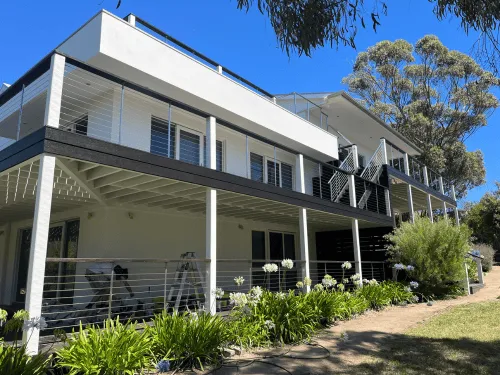
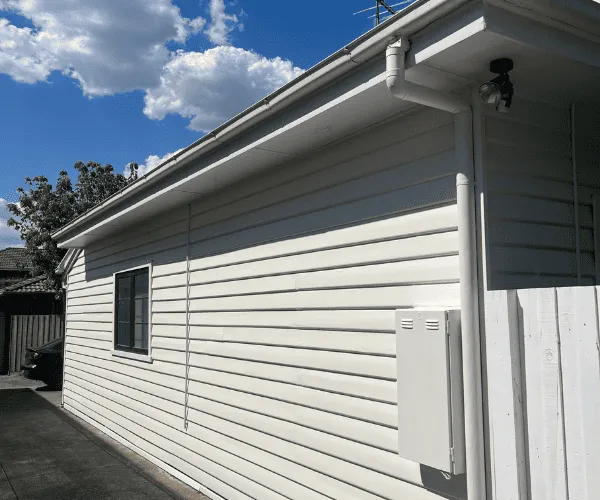
Exterior work deserves particular care. Melbourne weather can shift quickly, and sun, rain and moisture all affect how coatings perform. Preparation, product selection and suitable painting conditions matter just as much as the final colour. Rushing an exterior job to meet an unrealistic deadline can cost more in the long run.
What to look for when choosing painters in Melbourne
Price matters, but it should not be the only measure. A low quote can be tempting, especially on a large property, yet it may leave out essential preparation, repairs, protection of surrounding areas or the number of coats needed for proper coverage.
A useful quote is clear about the scope of work. It should explain which areas will be painted, the preparation included, the type of coating proposed and any repair work identified during the inspection. If an item is excluded, that should be clear too. This gives you a fair basis for comparing options and reduces surprises once work starts.
Communication is equally important. You should know who is managing the job, when painters will arrive, how long the work is expected to take and how access will be arranged. For homeowners, this helps make living through a painting project easier. For property managers and commercial clients, it supports tenant communication, site safety and practical scheduling.
Ask how the contractor will protect floors, gardens, furniture, signage and nearby work areas. Professional painters treat site protection and clean-up as part of the job, not an optional extra.
Experience should match the type of work
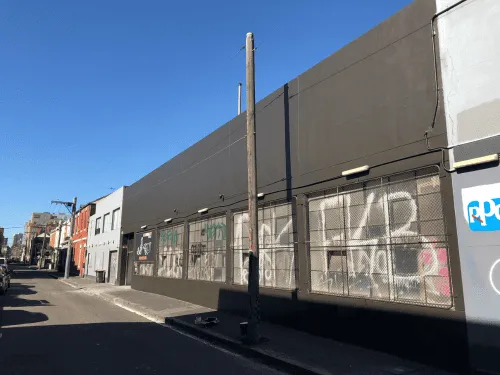
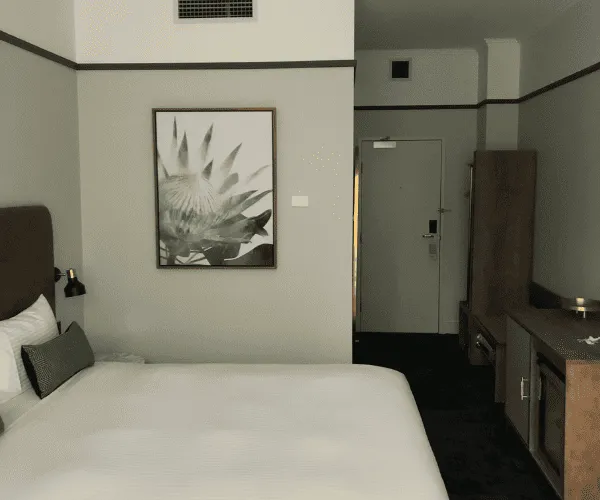
Not every painting job has the same requirements. An interior refresh may call for careful masking, low-odour products and tidy work around occupied rooms. An exterior home needs a practical approach to weather exposure, timber, render, metal and access. Commercial premises may need work staged around customers, staff or tenants, while industrial facilities can involve specific surface systems, safety procedures and maintenance planning.
Choose a contractor with experience relevant to your property. That does not mean the biggest job is always the best fit. It means the team understands the conditions, can organise the work efficiently and knows what a lasting finish requires.
Clear preparation protects the final result
Preparation often takes more time than painting itself. It is also the stage that separates a neat result from one that looks good only briefly. Surfaces may need washing, sanding, filling, patching, sealing or priming before top coats are applied. Each step has a purpose.
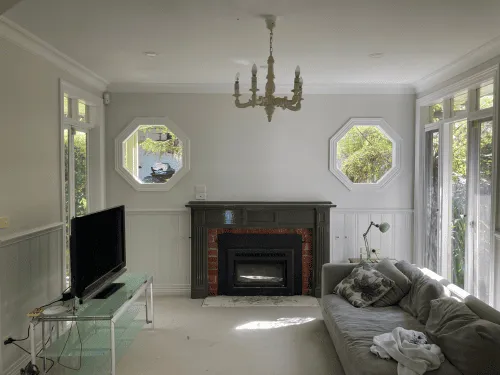
For interior walls, preparation helps create an even surface and consistent sheen. In older homes, small dents and plaster movement can become far more noticeable once a new colour is applied. Addressing them early gives the room a cleaner, more polished appearance.
On exteriors, preparation helps coatings bond correctly and provides better protection against the elements. Timber trim, eaves, fences, metal features and masonry can all need different treatment. A professional assessment helps avoid using a one-size-fits-all approach where it does not belong.
There can be trade-offs. If a property needs extensive repairs, the most economical option may be targeted work in high-visibility or high-wear areas rather than a complete overhaul. A good painter will explain the options honestly, including what each choice means for appearance, durability and budget.
Plan around people, access and downtime
Painting should fit around the property where possible, rather than forcing the property to fit around the painting. This is particularly important for offices, retail spaces, body corporate properties and industrial sites, where downtime can affect operations.
A practical plan may involve completing areas in stages, working outside business hours or arranging access around tenants and staff. The best approach depends on the building, the work required and the level of disruption the site can accommodate. There is no benefit in promising an overly fast turnaround if it compromises safety, preparation or communication.
Homeowners also benefit from a clear schedule. Knowing when bedrooms, kitchens, living spaces or exterior access points will be affected allows you to organise pets, children, furniture and daily routines. Small details such as parking, gate access and alarm systems should be discussed before the first day on site.
For clients across Metro Melbourne and the south eastern suburbs, local knowledge can make scheduling easier. Travel time, weather windows and access conditions all influence how a project is planned. Reliable painters build these practical details into the job rather than treating them as last-minute issues.
Choose colour with the whole property in mind
Colour decisions can feel personal, but they also have practical consequences. Darker shades can create depth and drama indoors, while lighter tones may make compact rooms feel more open. In commercial settings, colour can reinforce a professional image, improve wayfinding or make customer-facing spaces feel more welcoming.
Before choosing, consider natural light, existing flooring, joinery, roofing and nearby finishes. A paint sample can look very different on a wall compared with a small card under shop lighting. Test colours in the actual space and view them at different times of day.
For exteriors, think about the streetscape as well as the building itself. A colour scheme should suit the home’s style and work with fixed elements such as bricks, paving, gutters and roofing. If you are preparing a property for sale or lease, broadly appealing colours are often a practical choice. If it is your long-term home, there may be more room to reflect personal taste.
Maintenance is not only for older buildings
Painting maintenance is a sensible way to protect a property before small issues become larger ones. High-traffic hallways, rental properties, retail areas, offices and industrial spaces all benefit from regular attention. Touch-ups, repairs and scheduled repainting can help keep the property presentable while reducing the need for major reactive work later.
For property managers, planned maintenance also makes budgeting easier. Rather than waiting for multiple areas to deteriorate at once, work can be prioritised around leases, vacancies, inspections and operational needs. For business owners, it helps maintain a standard customers and staff notice from the moment they walk through the door.
WE DO Painting approaches painting as both a visual improvement and a practical investment in the property. That means providing clear advice, careful workmanship and a finish designed for the conditions it will face.
The best painting project is not simply the one completed fastest or quoted cheapest. It is the one that is planned clearly, prepared properly and finished with care. Start with an honest assessment of your property, ask direct questions about the scope, and choose a team that treats your time and your space with respect.