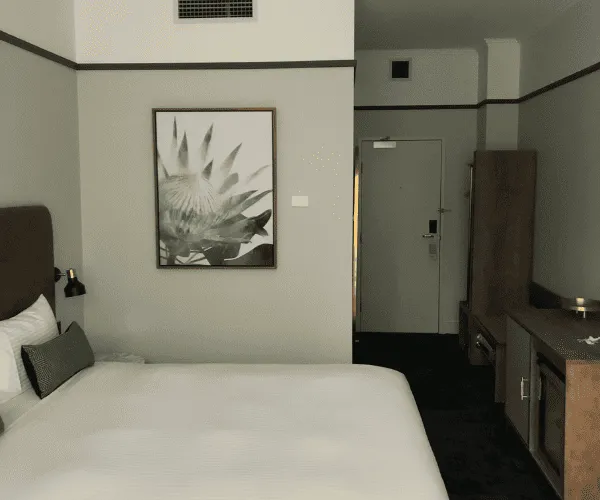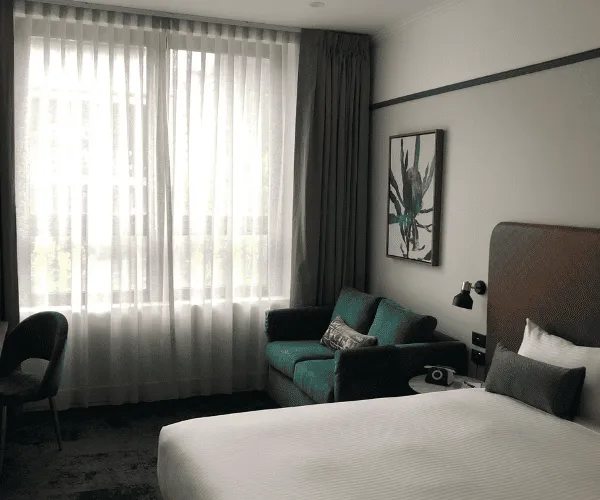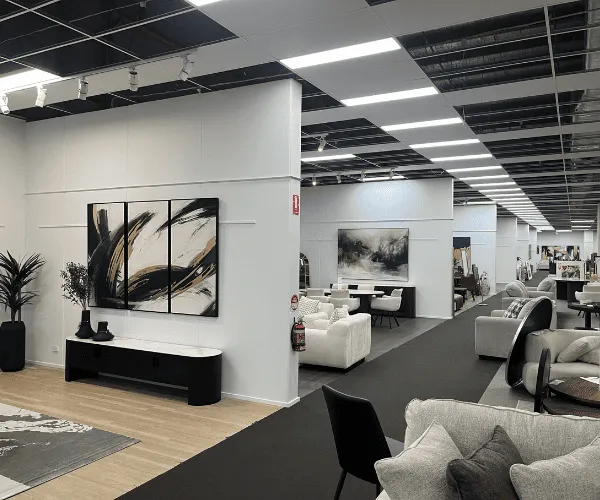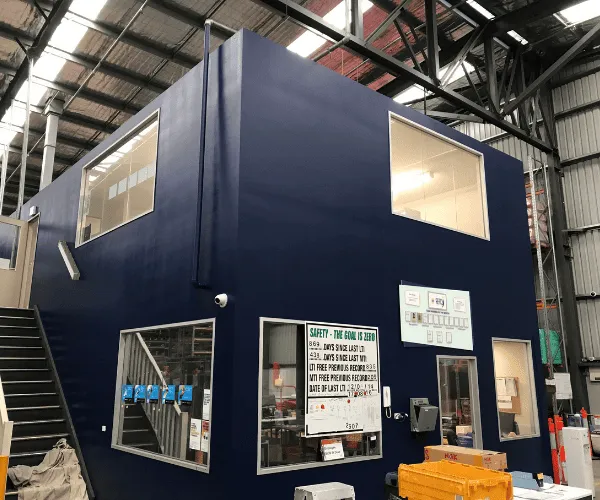
A tired office usually shows its age before anyone says it out loud. Scuffed walls, patchy paint, faded meeting rooms and marked skirtings all send a message to staff and visitors. That is why office repainting before and after results can be far more significant than people expect. A fresh coat of paint does not just change the look of a workplace. It changes how the space feels, how it presents to clients and how well it holds up day to day.
For business owners and property managers, the difference is rarely just cosmetic. In many offices, repainting is part of getting the space back to a professional standard after years of wear, minor damage and constant traffic. It can also be a practical way to support a fit-out, prepare for a new tenant or bring a workplace in line with the business brand.
What office repainting before and after really shows
The most obvious change is visual. Before repainting, offices often look dull, uneven and harder to keep clean than they should. Marks around light switches, scratches in corridors, stains on ceilings and chipped trims all build up over time. Even when the office is tidy, the space can still feel worn out.
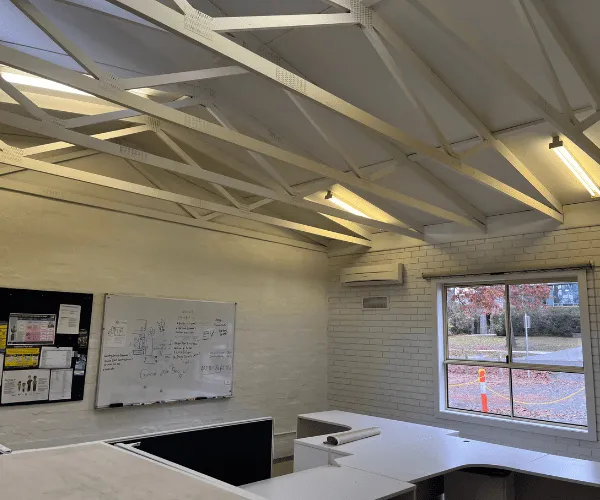
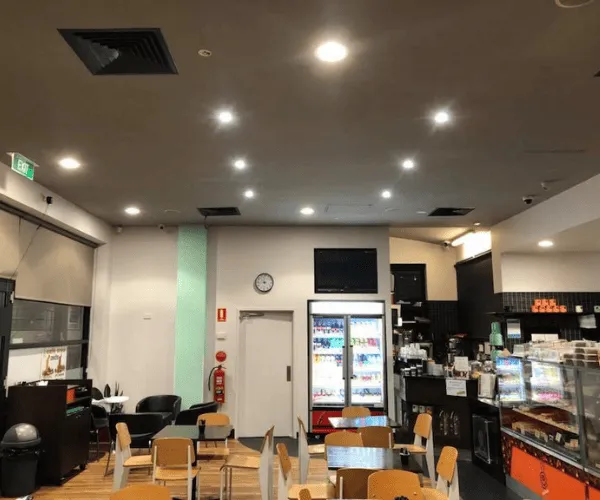
After repainting, the same office usually looks cleaner, brighter and more organised. Natural and artificial light tend to reflect better off fresh paint, which helps rooms feel more open. Reception areas look sharper. Boardrooms feel more professional. Shared workspaces can seem more cohesive, even when nothing else in the fit-out has changed.
That before and after shift matters because offices are judged quickly. Clients notice the condition of a reception wall. Staff notice when lunchrooms and amenities feel neglected. Leasing agents and building managers notice whether the premises have been maintained properly. Paint is one of the clearest signals of that upkeep.
Why repainting an office is not just about appearance
A smart finish is important, but commercial repainting also helps protect the building fabric. Walls, doors, trims and ceilings all take regular knocks in an office environment. Chairs scrape surfaces, boxes bump corners, hand traffic leaves grime and small plaster issues can spread if ignored.
A proper repaint often includes surface preparation, patching and repairs before the final coats go on. That means the after result is not only fresher in appearance but also sounder underneath. If cracks, dents or peeling areas are simply painted over, the job may look acceptable for a short time, but it will not last.
This is where trade-offs come in. A fast cosmetic paint job may suit a short lease or a basic refresh before a quick handover. But if the office is owner-occupied, client-facing or expected to handle heavy use, more thorough preparation usually pays off. Better workmanship upfront tends to mean fewer touch-ups later.
The biggest before and after improvements in office spaces
Not every office needs a full transformation. In many cases, the strongest results come from focusing on the areas that take the most wear or create the first impression.
Reception and entry areas
Before repainting, these spaces often show the most obvious wear because they are used constantly. Scuffs, dents and faded feature walls can make the whole business look less polished than it really is.
After repainting, the entry immediately feels cleaner and more professional. Neutral colours often help here because they keep the space bright and broad in appeal, while a well-chosen feature wall can still support brand identity without overpowering the room.
Open-plan work areas
In open offices, worn paint can make the whole floor feel flat and tired. Marks tend to build up around desks, walkways and storage zones.
After repainting, even a simple update in a clean white, soft grey or warm neutral can lift the workspace. The effect is often strongest when ceilings and trims are included rather than just the walls. That gives the office a more complete finish instead of a patched-together look.
Meeting rooms and boardrooms
These rooms matter because they are where decisions are made and visitors often spend focused time. Before repainting, poor wall condition or dated colours can make the room feel less professional.
After repainting, the room usually feels sharper and calmer. Colour choice matters here. Strong colours can work in some creative settings, but many offices benefit from tones that reduce visual noise and keep the room clear, bright and businesslike.
Kitchens, corridors and amenities
These are easy to overlook, but they strongly affect how staff experience the workplace. Before repainting, they can appear neglected because they collect stains, moisture marks and day-to-day wear.
After repainting, these support spaces feel cleaner and better maintained. That may sound minor, but it contributes to overall morale and shows that the business takes care of its environment.
Choosing colours for the best after result
Colour selection has a big impact on office repainting before and after outcomes. The right choice depends on the business, the amount of natural light and how the space is used.
For most offices, practical colours perform best. Clean whites, off-whites and muted greys remain popular because they brighten rooms and suit a wide range of furniture and finishes. They also make future updates easier. If signage, furnishings or branding change, neutral walls are less likely to clash.
That said, an all-white office is not always the best answer. In very bright spaces, stark white can feel harsh. In older offices, it can highlight uneven surfaces if preparation is poor. Softer tones often give a more balanced result.
Feature colours can work well in reception areas, meeting rooms or breakout spaces, but they need restraint. A colour that feels bold and modern in a sample can become tiring across a full wall or whole room. It helps to think about longevity, not just the first impression.
What affects the quality of the before and after result
The finished look comes down to more than paint colour. Preparation, product choice and timing all play a part.
Surface preparation is usually the biggest factor. If walls have dents, old fixings, cracks or peeling paint, these need to be addressed properly. Without that step, the after photos may look fine from a distance but disappointing up close.
Paint finish also matters. In an office, high-traffic areas often need durable, washable finishes that can handle cleaning without quickly losing their appearance. A cheaper product may save money at the quote stage, but not if it marks easily or needs repainting sooner.
Timing is another practical issue. Some offices can be painted during business hours in stages. Others need after-hours or weekend work to limit disruption. The best approach depends on staffing, access, noise tolerance and the layout of the site. There is no one-size-fits-all answer, which is why planning matters as much as painting.
How to prepare for an office repaint
A smoother project starts before the first drop sheet goes down. The clearer the scope, the better the result.
Start by identifying what the office actually needs. Some spaces need a full repaint including ceilings, trims, doors and repairs. Others only need selected walls and high-wear zones refreshed. Being realistic here helps avoid paying for unnecessary work while still achieving a noticeable improvement.
It also helps to consider how the office is used. If teams are working on site throughout the project, staging the work can reduce interruption. If the office is vacant, it may be more efficient to complete everything at once. Access, furniture movement and drying time all need to be factored in.
For many businesses, this is also the right time to handle small repairs. Plaster damage, worn skirtings and minor carpentry issues stand out more once the fresh paint is on. Dealing with those items as part of the project usually leads to a more complete result.
When repainting delivers the most value
Some office repaints are driven by obvious need. Others are about timing. A repaint can be especially worthwhile before client visits, lease inspections, staff returns to office, business rebranding or a planned fit-out refresh.
It can also be a sensible maintenance decision rather than a reactive one. Waiting until paintwork is heavily worn often means more prep and repair work later. Repainting at the right interval helps keep the office looking presentable and can protect surfaces from deeper deterioration.
For Melbourne businesses managing tenancies, presentations and ongoing maintenance, a well-planned repaint is often one of the more practical improvements you can make. It delivers a visible result without the cost and disruption of major building work.
A good before and after result should feel clear the moment you walk in. The office looks sharper, the finishes hold up better, and the space reflects the standard of the business operating inside it. If your walls are starting to tell the wrong story, it may be time to change what people see first.