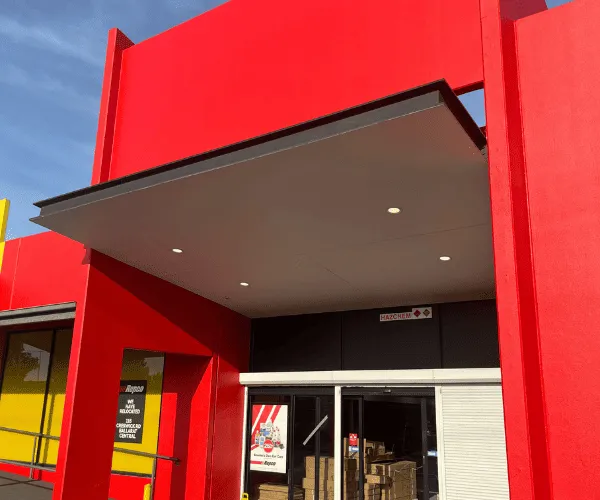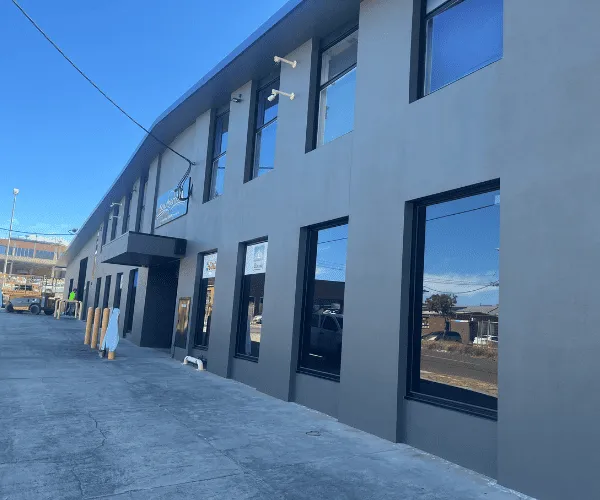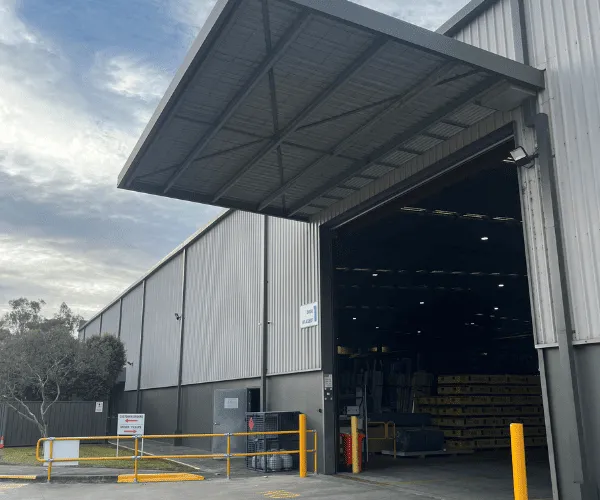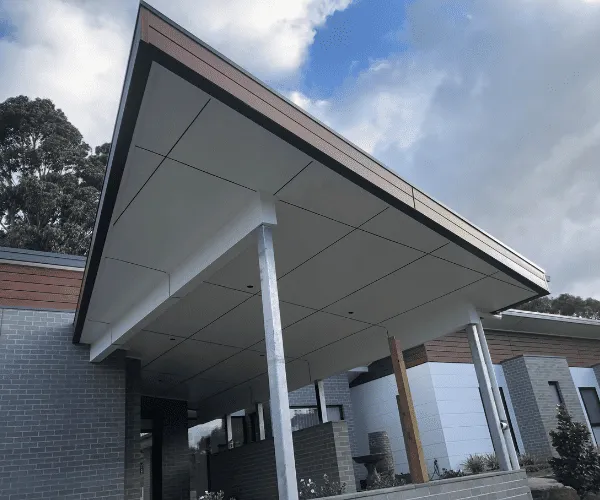
A repair quote can look straightforward until the paintwork starts hiding cracked plaster, water marks, damaged timber or failed sealant. Knowing how to quote painting repairs properly means pricing the preparation and repair work that creates a quality finish, not simply measuring the wall and allowing for paint.
For homeowners, property managers and business owners, a clear quote removes uncertainty before work begins. For contractors, it protects the job from rushed assumptions, unexpected costs and a finish that does not last. The best approach is to inspect carefully, define the scope in plain language and allow enough time for every stage of the work.
Start with a proper site inspection
Painting repairs should be quoted from an on-site inspection wherever possible. Photos are useful for an initial discussion, but they rarely show the full condition of a surface. A small dent might be a simple patch, while staining around a window can point to moisture entering from outside. Those are very different jobs.
Walk through each affected area and look at the surface, the surrounding paintwork and the likely cause of the damage. Check walls and ceilings for cracks, holes, loose material and signs of movement. Inspect timber trims, doors and external surfaces for weather exposure, splitting, soft areas and failed gaps around joints.
The repair itself is only one part of the quote. You also need to consider access, protection of nearby furniture or equipment, preparation, drying times, priming, paint application and clean-up. On a commercial site, working hours, tenant access, public safety requirements and staging can have just as much impact on the price as the repair area.
Define the repair scope before pricing
A good quote explains what will be repaired and how the work will be completed. Broad descriptions such as “repair and paint wall” can create confusion because they leave too much open to interpretation. The scope should identify the affected location, the repair method and the painted finish required.
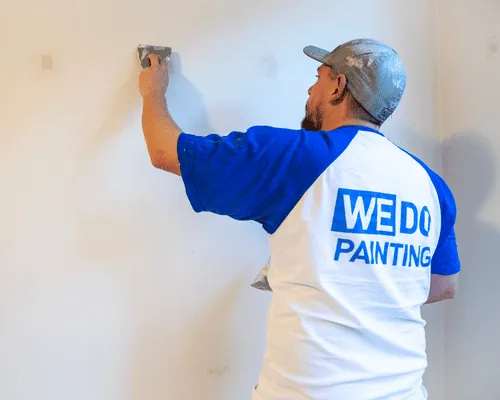
For example, a clear scope may state that the contractor will prepare a damaged plaster section, patch and sand the area, apply a suitable primer, then paint the repaired wall section to achieve an even finish. If colour matching requires painting a full wall or ceiling plane rather than a small touch-up, that should be included as well.
This is where experience matters. A small local repair can sometimes blend successfully. In other cases, age, fading, sheen differences or previous paint products mean a larger area must be painted for a consistent result. Quoting only the visible patch may look cheaper at first, but it can leave a noticeable variation once the work is complete.
Where the cause of damage is uncertain, separate the painting repair from investigation or rectification work. For instance, a stain caused by an active roof leak or plumbing issue should not be painted over until the moisture source has been addressed. Be clear about what the painting contractor can confirm during inspection and what may need another trade.
How to quote painting repairs by cost driver
The most reliable way to build a painting repair quote is to price the labour, materials and project conditions separately, then bring them together into one clear proposal. This avoids relying on a square-metre rate that may not reflect the detailed preparation involved.
Labour usually makes up the largest share of a repair quote. Allow time for setting up, protecting the area, preparing damaged surfaces, completing repair coats, sanding between stages, priming and applying finish coats. Small repairs can take longer than clients expect because drying time and careful blending matter more than the physical size of the patch.
Materials should cover fillers, compounds, sealants, primers, abrasives, masking products and paint. Use products suited to the surface and the issue being addressed. A stain-blocking primer, for example, may be necessary before top coats are applied, while external timber may need a different preparation and coating system from internal plaster.
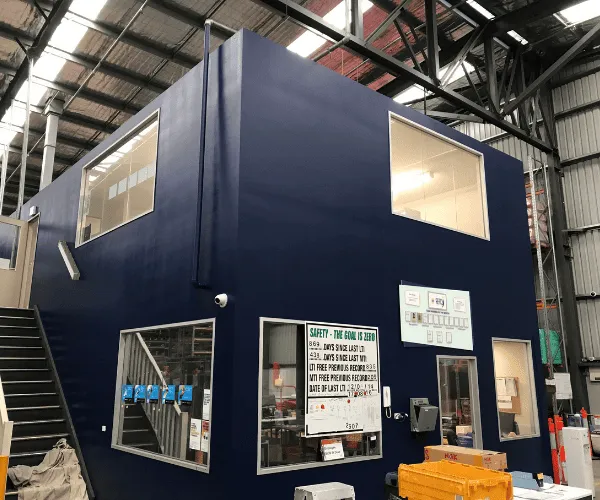
Then consider job conditions. A high ceiling, stairwell, tight access point, busy reception area or operating warehouse requires extra planning. Access equipment, after-hours work, traffic management, dust control and protection for stock or furnishings all need to be allowed for. These items should be visible in the quote rather than hidden inside a general figure.
Measure the area, but do not price by area alone
Measurements remain useful because they help calculate paint quantities and the amount of finish work required. Measure full walls, ceilings, trims, doors and external sections that need painting. Record the number and size of individual repair areas too.
However, two rooms with identical wall areas can have very different costs. One may only need minor surface preparation before painting. The other may contain several cracks, damaged corners, water marks and difficult furniture movement. The second job needs more labour, more materials and more time, even if the paintable area is the same.
This is why a detailed scope is more useful than a one-line rate. It gives the client a fair explanation of the price and gives the contractor a practical plan for completing the work properly.
Allow for preparation and drying time
Preparation is what determines whether a repair looks professional once painted. Each repair coat needs sufficient drying time before sanding or applying the next product. Rushing this stage can lead to visible patching, uneven texture and poor adhesion.
Allow for the number of visits required where necessary. A larger plaster repair may need several stages over more than one day, particularly when drying conditions are cool or humid. External work also depends on suitable weather. A quote should account for these practical conditions without making promises that cannot be met.
Include exclusions and allowances clearly
No inspection can reveal every hidden condition. The aim is not to overload a quote with fine print, but to be honest about what is visible and what could change once work starts.
State exclusions where they are relevant. This may include repairs to concealed substrate damage, moisture rectification, electrical disconnection, major carpentry work or access changes that were not apparent at inspection. If a likely issue needs further assessment, include a provisional allowance or provide a separate price once the condition is confirmed.
For property managers, this level of detail is especially valuable. It makes approval easier, creates a clear record for owners and reduces disputes about additional works. For business sites, it also helps coordinate the right trades in the right order, avoiding downtime caused by incomplete repair work.
Present the quote so the client can approve it confidently
A professional painting repair quote should be easy to read. Start with the property details and work areas, then set out the scope, preparation process, coatings, access requirements and total price. Include GST, the expected timing, payment terms and the period for which the quote is valid.
If the job has distinct areas, such as internal plaster repairs and external timber repairs, pricing them separately can help the client prioritise work if needed. Do not split a tightly connected process into confusing fragments just to make the quote look detailed. The goal is clarity, not paperwork for its own sake.
It also helps to explain the intended finish. Will the repair be blended into a local section, or will the whole wall be painted? Is colour supplied by the client, colour matched on site, or selected as part of the project? These decisions affect both cost and the final appearance.
Know when a fast quote needs a follow-up visit
Fast quoting is valuable, particularly for urgent maintenance work, but speed should not come at the cost of accuracy. A photo-based estimate may be appropriate for a very small, clearly visible repair. It should be identified as an estimate subject to site confirmation.
For larger areas, recurring damage, commercial premises or surfaces with signs of moisture, movement or timber deterioration, arrange an inspection before providing a fixed price. That extra step is usually quicker and less costly than revising the scope after the job has begun.
At WE DO Painting, the focus is on giving Melbourne clients a clear scope, practical advice and workmanship that suits the condition of the property. The right quote does more than put a number on a job. It sets the standard for careful preparation, reliable communication and a finish that helps protect the property for the long term.
Before approving any painting repair quote, make sure you can see exactly what is being repaired, how it will be prepared and what finish you should expect. That clarity is the best starting point for a job done properly.