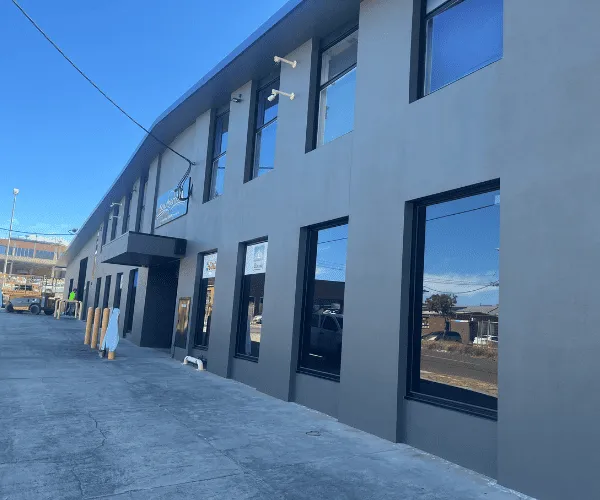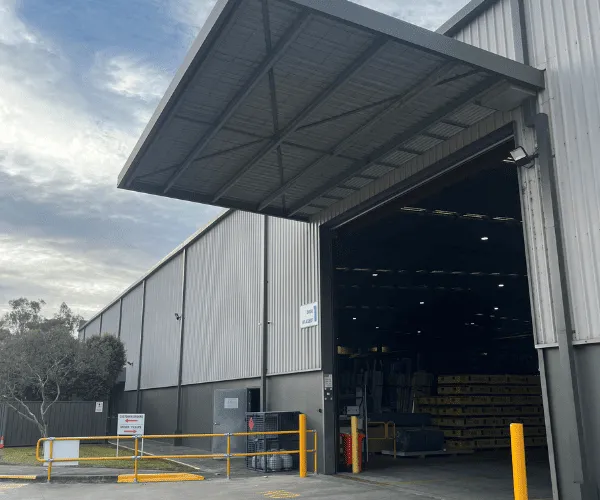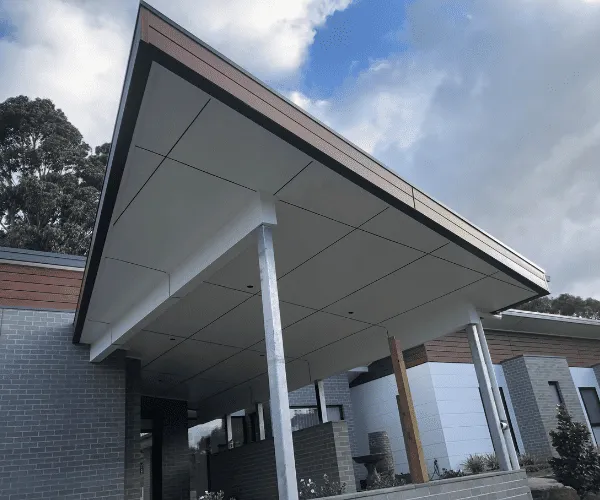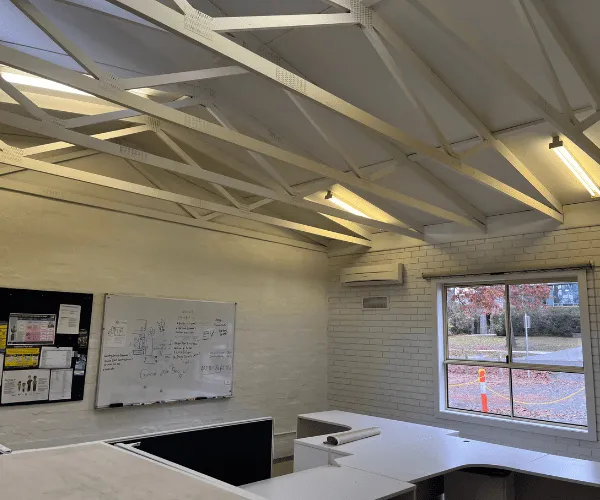
A rushed exterior paint job usually shows itself within months. Peeling around windows, patchy fading on sunny walls and missed repair work all point to the same problem – poor planning before the first brush ever touched the surface. If you are working out how to plan exterior repainting, the smartest move is to treat it as a maintenance project as much as a visual upgrade.
Done well, exterior repainting improves street appeal, protects the building fabric and helps avoid more expensive repair work later. Done badly, it can lock in existing damage, waste money and leave you repainting sooner than expected. The right plan gives you a better finish, a more accurate budget and fewer surprises once the job starts.
How to plan exterior repainting from the start
The first step is to be clear on why you are repainting. Some properties need a full refresh because the finish is dated or tired. Others need urgent protection because paint is breaking down and exposing timber, render or metalwork to weather. In many cases, it is both.
That distinction matters because it affects the scope of the job. If the main issue is presentation, you may focus more on colour selection, finish consistency and scheduling around your household or business operations. If the paint system is failing, the bigger priority is prep work, repairs and product choice. A good plan balances both.
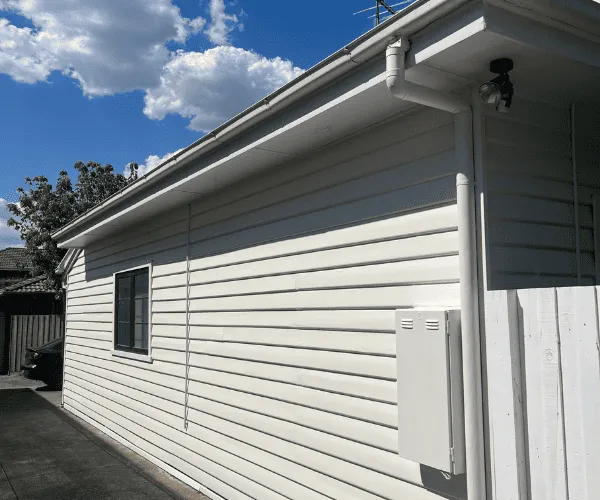
Walk around the property slowly and look at every elevation in different light. Areas facing strong sun often wear differently from shaded walls. South-facing sections may hold moisture longer. Eaves, fascia, weatherboards, window frames, garage doors, fences and external trims can all age at different rates. What looks like a simple repaint from the front can be a broader maintenance job once you inspect the whole exterior.
Start with the condition of the surfaces
Before choosing colours or asking for prices, you need a realistic picture of the surface condition. Exterior painting is only as good as the surface underneath it. Cracks in render, flaking timber, mould, chalky paint, rust spots and water staining are not cosmetic details. They affect adhesion, durability and the final look.
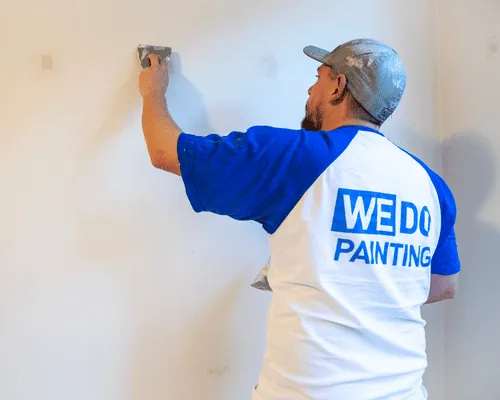
This is where many property owners underestimate the job. The visible painting is the part everyone notices, but preparation often takes the most time. Washing down surfaces, scraping loose paint, sanding rough areas, sealing bare sections and repairing damaged substrates can make the difference between a finish that lasts and one that starts failing early.
If your property has signs of rot, movement cracks, failed sealant or damaged trims, factor that in from the beginning. It is usually more efficient to deal with those items before or during repainting rather than treating painting and repairs as separate projects months apart.
Repairs should be planned, not added as a surprise
A proper exterior repaint often includes minor carpentry, patching or surface restoration. That does not mean every wall needs extensive work, but it does mean you should expect some level of repair on older or weather-exposed properties.
This affects both timing and budget. If you plan only for paint application, any repair work discovered later can feel like a blowout. If you assume some prep and repair work upfront, the project stays easier to manage and the quote is more likely to reflect the real scope.
Timing matters more than most people expect
One of the biggest parts of how to plan exterior repainting is choosing the right time of year. Exterior paint needs suitable conditions to cure properly. Too much moisture, cold weather, strong wind or extreme heat can all affect performance.
In Melbourne, conditions can shift quickly, so flexibility matters. A run of dry, mild days is ideal, but that does not mean every project must wait for perfect weather. Experienced painters know how to schedule around forecasts, stage work across elevations and avoid applying products in poor conditions. Still, planning ahead gives you more control and usually better availability.
If your repaint is tied to a sale campaign, tenant turnover or business reopening, start earlier than you think you need to. Exterior projects can be delayed by weather, extra prep or access issues. Leaving the booking too late often means having to accept tighter timeframes or compromised scheduling.
Set the scope before comparing quotes
Not all repainting quotes cover the same thing. One may include full wash down, scraping, gap sealing and spot repairs. Another may allow for only basic preparation and two coats. If you compare prices without checking the scope, you are not comparing like for like.
A clear scope should spell out what is being painted, what level of preparation is included, whether repairs are part of the job, what products are being used and how many coats are allowed. It should also be clear whether hard-to-reach areas, detached structures, fences or external features are included.
This is especially important for investment properties, commercial sites and homes with multiple surface types. Timber, render, brick, metal and previously painted masonry all need different treatment. A cheap figure on paper can become expensive if it leaves out the work needed to make the finish last.
Access and site conditions can affect price
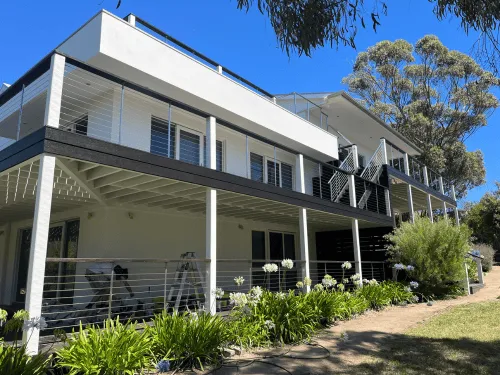
Height, sloping blocks, narrow side paths, heavy landscaping and restricted access all influence how an exterior project is planned. A single-storey weatherboard with easy access is different from a two-storey home with tight boundaries or a commercial site that needs staging around customers and staff.
None of that means the job should be difficult to manage, but it should be assessed properly. Good planning reduces disruption and helps avoid delays once the team is on site.
Choose colours with the building in mind
Colour selection is one of the more enjoyable parts of an exterior repaint, but it still needs practical thinking. The right colour scheme should suit the style of the property, the surrounding streetscape and the surfaces being painted. What works on a small sample can read very differently across a full façade in bright daylight.
Lighter colours can help keep a property looking clean and fresh, but they may show dirt more easily in some areas. Darker colours can look sharp and modern, though they may absorb more heat and highlight surface imperfections if the prep is not first-class. Trim colours, roofing tones, paving and landscaping all influence the final result.
If the goal is resale, broad appeal usually matters more than personal taste. If the property is your long-term home or business premises, there is more room to tailor the look. The key is to test colours in real exterior light and view them at different times of day before locking anything in.
Think beyond the walls
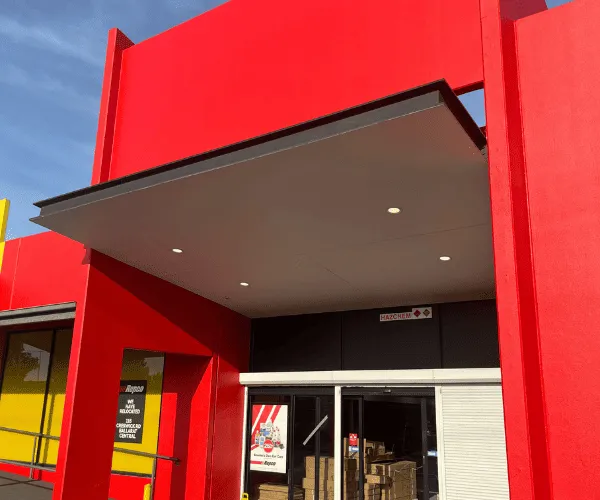
A well-planned repaint considers the full exterior presentation. Front doors, gutters, downpipes, fascia, eaves, garage doors and boundary elements all contribute to the final look. Leaving badly faded trims next to freshly painted walls can make the job feel incomplete.
That does not mean everything must be painted at once. Sometimes staging the work makes sense for budget reasons. But if you are splitting the project, decide that deliberately. Know which elements are included now, which are being deferred and how the finished result will look in the meantime.
Plan around disruption
Exterior painting is less intrusive than interior work, but it still affects daily routines. Cars may need to be moved, windows kept closed in certain areas and outdoor spaces cleared. For businesses and managed properties, there may also be access windows, tenant communication and safety considerations.
This is where a reliable contractor makes a big difference. Clear communication before the job starts helps everyone know what to expect. If there are pets, young children, deliveries, shared driveways or operational requirements on site, mention them early. The more practical details sorted out upfront, the smoother the project runs.
Work with a painter who plans properly
If you want a result that holds up, choose a painting contractor who looks beyond the top coat. A proper site inspection, clear advice on preparation, realistic timeframes and transparent quoting are all signs that the planning is being taken seriously.
For Melbourne property owners, that often means working with a team that understands local weather patterns, common substrate issues and the demands of maintaining homes and commercial buildings across different suburbs. WE DO Painting approaches exterior work with that practical mindset – not just making a property look better, but helping protect it properly as well.
The best time to start planning is before the paint has completely failed. When you give the job enough lead time, you have more choice in colours, better scheduling options and a better chance of handling repairs before they turn into larger problems.
A good exterior repaint should not feel like guesswork. With the right plan, it becomes a straightforward project with a clear purpose, a clear scope and a finish that earns its keep long after the job is done.