A rental property does not need a full renovation to feel clean, cared for and ready for the next tenant. Knowing how to paint rental properties properly helps protect the building, reduce maintenance issues and present every room at its best when it counts.
For landlords and property managers, the goal is not simply to apply a new coat of paint. It is to make sound decisions about preparation, colours, products and timing so the finish stands up to day-to-day living and helps keep vacancy periods short.
Start with the condition of the property
The best painting result begins with a thorough inspection. Walk through the property in good natural light and look beyond obvious wall marks. Check ceilings, trims, doors, window frames, skirting boards and high-traffic areas such as hallways, kitchens and entry points.
Look for dents, cracks, water staining, loose coatings, mould growth or damaged plaster. These issues need attention before painting starts. Applying paint over an underlying problem may improve the appearance briefly, but it will not deliver a durable result.
This is also the right time to decide whether minor repairs are required. A small plaster repair, gap filling around trim or repair to a damaged door can make a major difference to the finished presentation. For an investment property, carrying out these jobs together is usually more efficient than arranging separate visits later.
If the property has been occupied for several years, do not assume every surface needs the same treatment. Some rooms may need a full repaint, while others may only require touch-ups. The right scope depends on the existing colour, surface condition, light levels and the standard you want to present to incoming tenants.
How to paint rental properties with the right preparation
Preparation is where professional painting earns its value. It takes time, but it determines how neat and long-lasting the paintwork will be.
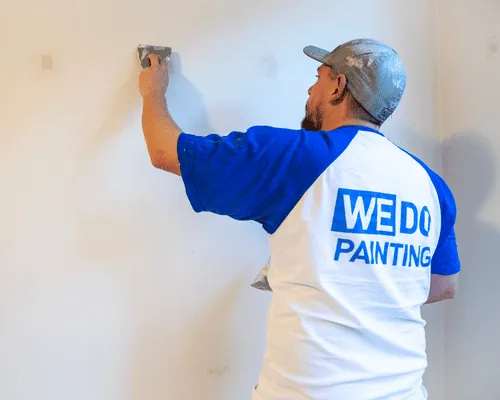
Walls should be cleaned to remove dust, grease and household residue, particularly in kitchens, laundries and around switches and door handles. Cracks and holes need filling, then sanding once dry to create an even surface. Gloss surfaces on doors, trims and windows often need sanding and an appropriate undercoat so the new coating bonds correctly.
Any water damage should be investigated first. A stain may come from an old issue that has been resolved, or it may point to a current leak in the roof, plumbing or external cladding. Painting should only proceed once the cause has been addressed and the area is fully dry.
Protecting floors, cabinetry, fittings and outdoor surfaces is just as important. Clean cut-in lines and careful masking give a rental property a sharper finish, especially around kitchens, bathrooms and built-in wardrobes. Rushed preparation can leave paint where it does not belong and create avoidable work at the end of the job.
Choose colours that work for more tenants
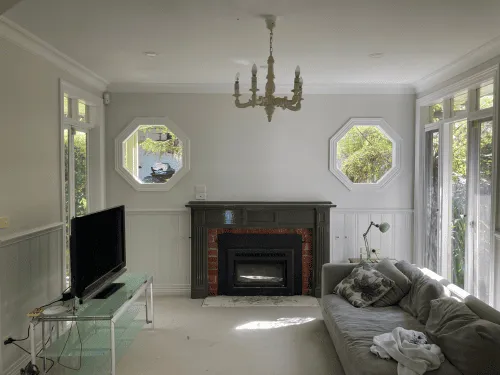
Personal taste has a place in a family home. In a rental, broad appeal usually delivers the better result. Light, neutral colours help rooms feel brighter and more spacious, giving prospective tenants a clean canvas for their own furniture and style.
Warm whites, soft greys and muted beige tones are reliable options for many Melbourne properties. The best choice still depends on the amount of natural light, flooring, cabinetry and the age of the building. A cool grey that looks fresh in a modern apartment can feel flat in a darker, older home with warm timber finishes.
Consistency matters too. Using a coordinated colour scheme throughout the property makes maintenance easier. Keeping a record of the exact paint colour and sheen means future touch-ups can be completed accurately, without turning a small repair into a whole-wall repaint.
Feature walls can work in the right property, but they should be used carefully. A subtle, well-chosen feature colour may lift a living area. Strong or highly specific colours can limit appeal and are more likely to need attention between tenancies.
Select finishes for durability and easy cleaning
Paint sheen affects both the look of a room and the practical upkeep required after tenants move out. Flat or low-sheen paint is popular on interior walls because it gives a smooth appearance and reduces glare. A good-quality washable low-sheen finish is often a sensible choice for rental living areas and bedrooms.
Higher-sheen products are generally better suited to trims, doors and other hard-wearing surfaces. Semi-gloss paint is commonly used on skirting boards, architraves and doors because it is durable and easier to clean. Kitchens, bathrooms and laundries need products suited to moisture and regular cleaning.
Cheaper paint can be tempting when there is more than one room to complete. However, lower-quality products may need additional coats, offer less coverage and show wear sooner. A quality system, applied correctly, usually gives better value over the life of the tenancy.
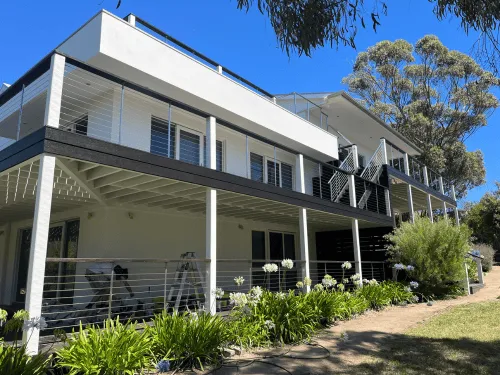
Exterior painting also deserves careful product selection. Melbourne conditions can put outdoor surfaces through strong sun, rain and changing temperatures. Exterior coatings should suit the material being painted, whether it is timber, rendered masonry, weatherboards, metalwork or fencing. Surface preparation and primer choice are especially important outside.
Plan the work around the tenancy
The ideal time to repaint is between tenancies, when rooms are clear and access is straightforward. It allows the work to be completed efficiently and prevents disruption for occupants. It also gives you the chance to inspect repairs, clean thoroughly and prepare the property for advertising or open inspections.
Not every rental property has an empty window available. If painting needs to happen while tenants are in place, clear communication is essential. Agree on access times, explain which rooms will be affected and allow proper drying time before furniture is moved back. A professional team should work neatly, protect occupied areas and keep disruption to a minimum.
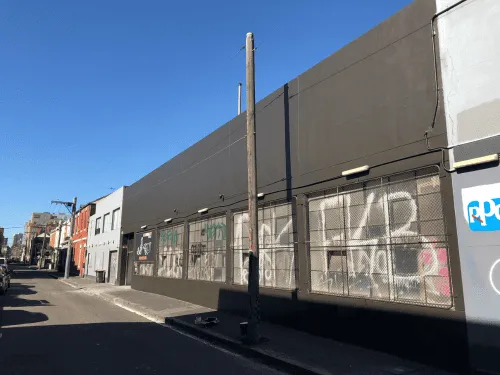
For larger properties or commercial rentals, staging the job may be the practical answer. Completing one section at a time can keep parts of the premises operating while maintenance is carried out. The trade-off is that staged work can take longer, so it needs a realistic schedule from the start.
Do not overlook high-wear areas
Rental properties often show wear first in the places people use most. Entry halls, corridors, stairwells, kitchens, bathrooms and doors deserve close attention at every inspection. Fresh paint in these areas can improve the overall impression of the property far more than a quick touch-up in an unused room.
Doors and trims are particularly noticeable because they sit at eye level and catch the light. They also take regular knocks from bags, furniture and daily use. Giving them the correct preparation and a durable finish helps the entire property look more professionally maintained.
Outside, focus on entry doors, eaves, fascias, fences and visible timberwork. A well-presented exterior builds confidence before a prospective tenant even steps inside. More importantly, maintaining exterior coatings helps protect the surfaces beneath from weather exposure.
Keep a painting maintenance record
A simple maintenance record makes future decisions faster and more consistent. Note the paint brand, colour name, sheen level, areas completed and the date of the work. Keep photos of the finished rooms where useful, particularly for larger portfolios or properties managed by several people.
This record helps identify when a room needs attention and prevents mismatched touch-ups. It can also support clearer conversations at routine inspections by showing that maintenance has been completed to a proper standard.
For landlords with several properties, a planned painting schedule can be more cost-effective than waiting until presentation has declined significantly. Regular assessment lets you bundle repairs and painting work, organise access efficiently and keep each asset in good condition.
Get the job done to a consistent standard
Painting a rental property is an investment in presentation, protection and tenant appeal. The right preparation, practical colour choices and durable products can help a property photograph better, inspect better and stay easier to maintain.
For rental homes, commercial spaces and ongoing maintenance across Melbourne, WE DO Painting provides professional painting and repair work with clear communication and dependable turnaround. A proper quote and site assessment will help set the right scope from the beginning, so your property is ready to make a strong impression on its next tenant.