If you are trying to plan around furniture moves, school drop-offs, tenants, or business hours, one question matters fast: how long does house painting take? The short answer is that a single room can often be done in a day, while a full interior or exterior usually takes several days to a couple of weeks. The real answer depends on the size of the job, the condition of the surfaces, access, weather, and how much prep work is needed before paint goes on.
A good painting schedule is not just about getting colour on the walls. It is about doing the surface prep properly, allowing enough drying time between coats, and finishing with a result that looks sharp and lasts. That is why two jobs that seem similar on paper can take very different amounts of time once work begins.
How long does house painting take for interior jobs?
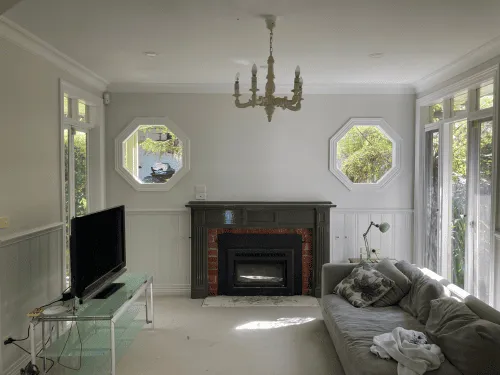
For interior painting, the timeline usually comes down to room count, ceiling height, trim detail, and the amount of patching or repair work required. A standard bedroom in good condition may take one day if the scope is straightforward. A larger living area with ceilings, cornices, doors, skirting boards, and multiple colours can take longer.
A full interior repaint for an average home often takes anywhere from three to seven days. Larger homes, heritage homes, or homes with detailed timberwork can take one to two weeks. Vacant properties are generally quicker because access is easier and there is less time spent moving and protecting furniture.
The condition of the walls matters more than many people expect. Fresh plaster, water marks, cracks, dents, or previous poor workmanship can add time because repairs and sanding need to be done properly before painting starts. If the surface is not prepared well, the final finish will show it.
Ceilings and trim also affect timing. Walls alone are one thing. Add ceilings, doors, frames, architraves and skirting boards, and the job becomes far more detailed. Trim work is slower because it requires precision and usually involves extra coats.
How long does house painting take for exterior jobs?
Exterior painting usually takes longer than interior work because there are more variables outside your control. Weather is the biggest one. Even with a well-organised crew, rain, cold mornings, strong wind, or high humidity can slow progress.
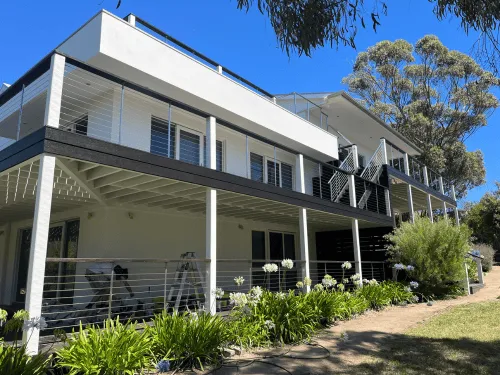
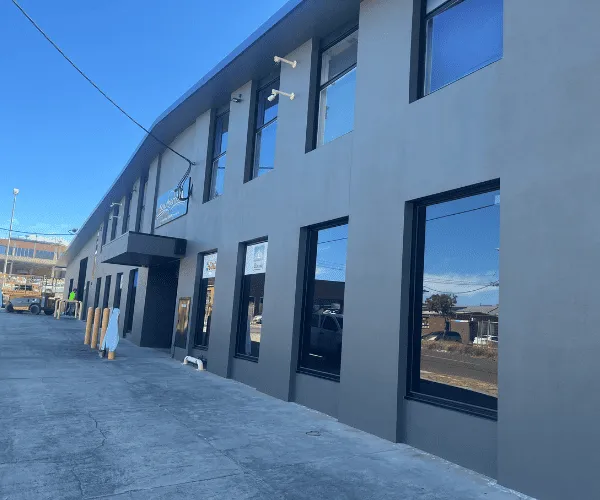
A small single-storey house exterior might take three to five days in favourable conditions. A larger two-storey home can take one to two weeks. If there are weatherboards, rendered walls, eaves, fencing, garages, or difficult access points, the timeline can stretch further.
Exterior prep is also more demanding. Surfaces need to be cleaned, loose material removed, gaps sealed where needed, and repairs completed before priming and top coats begin. Access equipment, safety setup, and protecting surrounding areas all add time, but they are part of doing the work properly.
In Melbourne, exterior scheduling often needs a bit of flexibility. A run of dry days helps keep a project moving, but experienced painters will still build the programme around realistic weather windows rather than promise an impossible finish date.
What actually adds time to a painting project?
The biggest factor is prep work. Clients often think the painting itself is the main event, but much of the labour sits in the stages before the first finish coat. Covering floors, protecting furniture, cleaning surfaces, filling cracks, sanding rough areas, caulking gaps, spot priming repairs and masking off fittings all take time. They also make a major difference to the final result.
The second factor is drying and curing time. Paint may feel dry to touch within hours, but that does not mean the next coat should always go on immediately. Temperature, airflow and the product being used all affect recoat times. Rushing this part can compromise the finish.
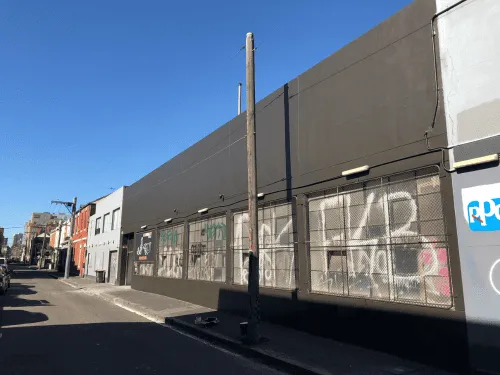
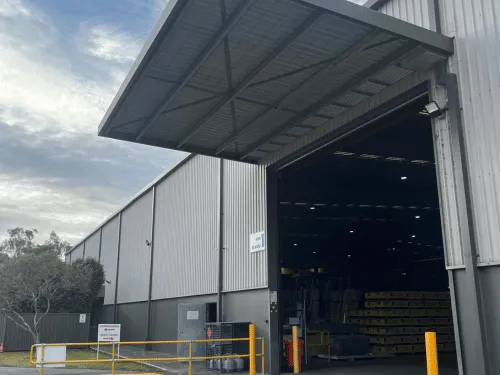
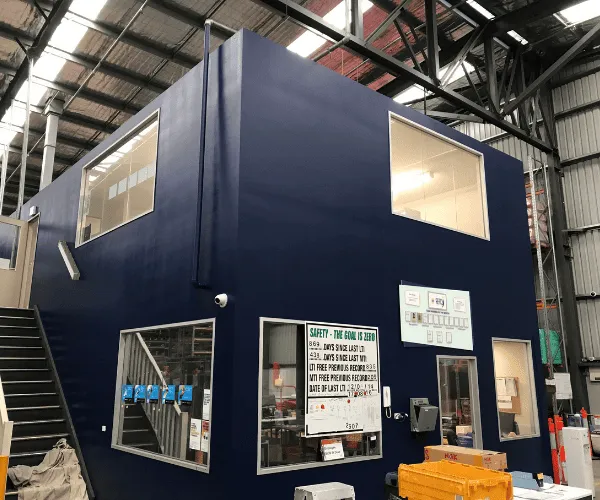
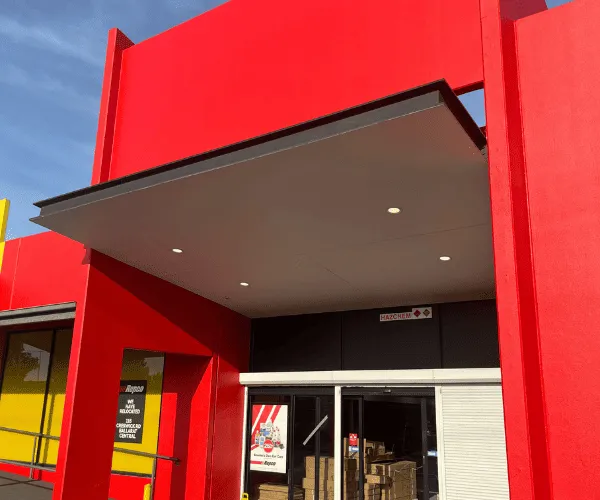
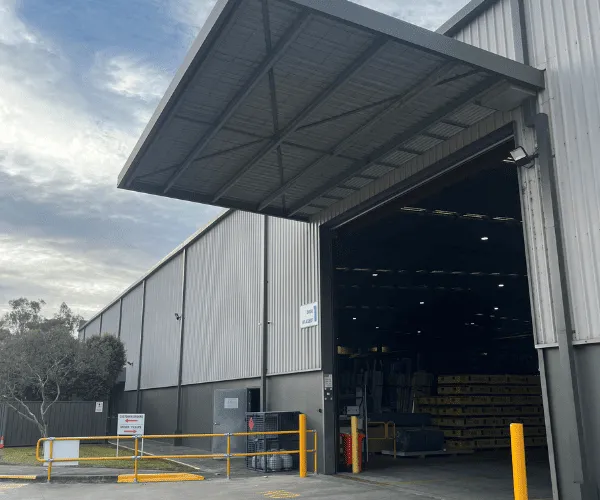
The third factor is access. Empty rooms are faster than fully furnished ones. Exterior walls with clear access are easier than walls crowded by plants, stored items, cars, or neighbouring structures. In commercial settings, work may need to happen after hours or in stages to reduce disruption, which can extend the total timeline even if the actual painting hours stay the same.
Repairs can also change the schedule. If plaster repairs, timber fixes, or minor carpentry are needed before painting, that work needs to be allowed for. This is one reason a proper site inspection matters. It gives you a clearer picture of what the job really involves.
A simple timeline for most house painting jobs
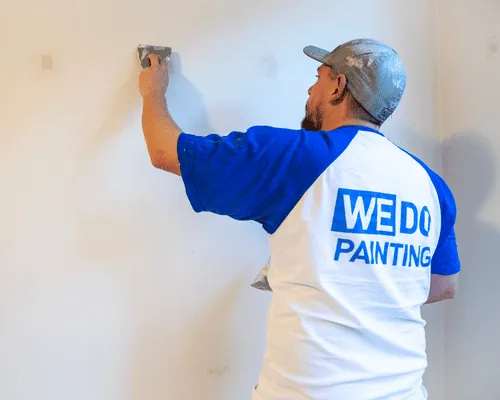
While every property is different, most projects follow the same general sequence. Day one is often setup and prep. That can include moving furniture, laying drop sheets, masking, surface cleaning and starting repairs. The next stage is sanding, sealing and priming where needed.
After that come the finish coats. Most surfaces need at least two coats for an even, durable result. Depending on the product and conditions, those coats may be completed on the same day or spread across multiple days. Final touch-ups and clean-up usually happen at the end, along with a walkthrough to check the finish.
For a straightforward interior room, that whole process may fit into a day. For a full home, it is spread across several rooms and multiple stages. For exteriors, the same process applies, but the weather can interrupt it at any point.
Why cheaper and faster are not always the same thing
It is natural to want the job finished quickly. No one wants their home or workplace disrupted longer than necessary. But speed without planning usually creates more problems than it solves.
If a quote promises a full repaint in a timeline that sounds too good to be true, it is worth asking what has been allowed for. Has proper prep been included? Are repairs part of the job? Is there enough time between coats? Who is handling the clean-up and final detailing?
A professional team should be able to move efficiently without cutting corners. That means clear scheduling, enough painters on site for the job size, and a realistic plan for prep, painting and touch-ups. Fast turnaround is valuable, but only when the workmanship holds up.
How to keep your painting project on schedule
A smooth project starts before the painters arrive. If you want the work done efficiently, clear access helps. Move small items, fragile décor and personal belongings out of the work areas if possible. Make decisions on colours early so there is no delay once the project starts.
It also helps to discuss the full scope upfront. Are ceilings included? What about doors, trims, cupboards, fences or the garage? Are there repairs that should be handled at the same time? The clearer the brief, the easier it is to build an accurate timeline.
For occupied homes, it is worth talking through staging. Sometimes the best approach is to complete the work zone by zone so you can keep using parts of the house. That may take slightly longer overall, but it reduces disruption. In commercial properties, scheduling around staff, customers or tenants can be just as important as the painting itself.
So, how long should you expect it to take?
If you want a practical guide, allow one day for a standard room, three to seven days for many full interior repaints, and around three days to two weeks for most exterior jobs depending on size, condition and weather. Larger homes or more complex projects can take longer, especially where repairs and detailed finishes are involved.
The best answer comes from a site-specific quote, not a guess over the phone. An experienced painter will assess the surfaces, identify prep requirements, talk through access and timing, and give you a clearer idea of what is realistic. That is how you avoid surprises halfway through the job.
At WE DO Painting, that is the approach we back – clear advice, honest timing, and work done properly from prep to final coat. If you are planning a repaint, the smartest move is not to ask for the fastest job. It is to ask for the right timeframe, so the finish looks good on day one and still does its job well after the brushes are packed away.