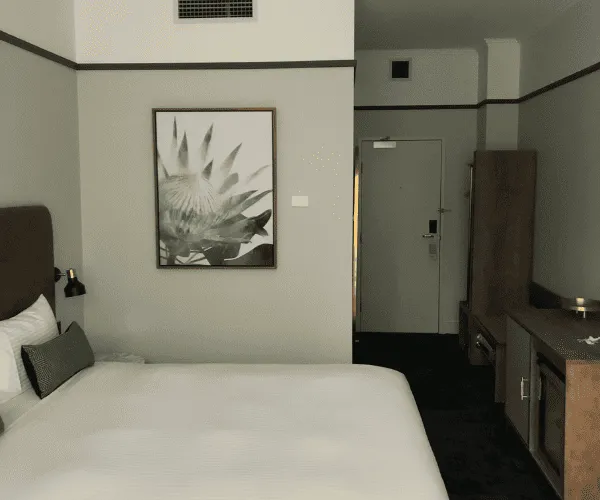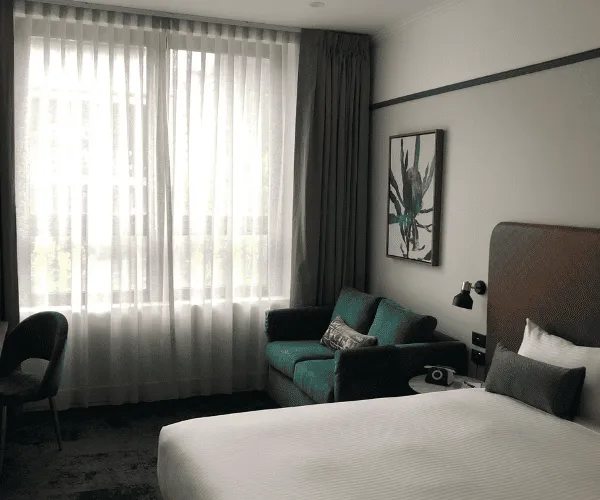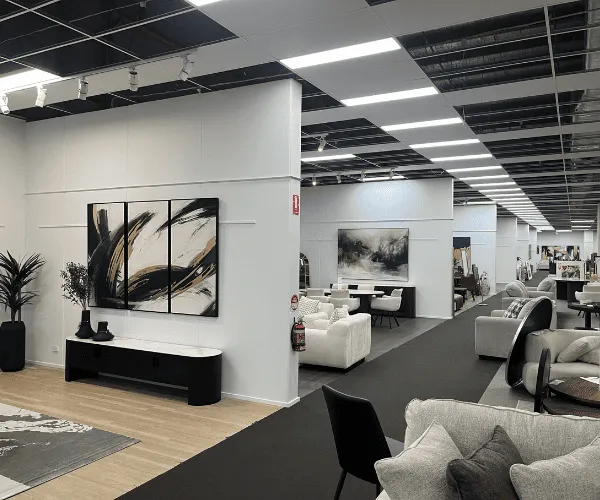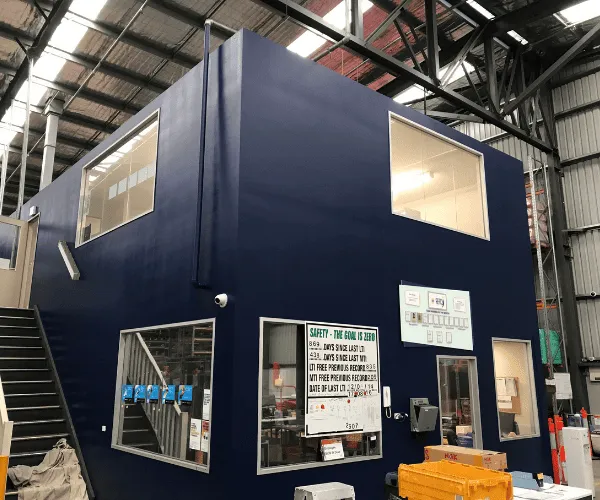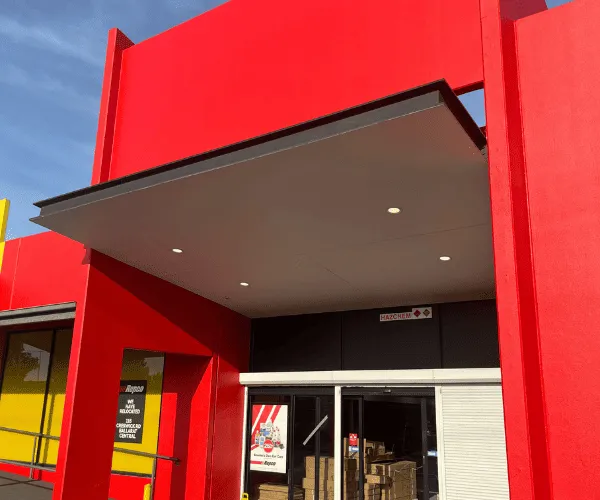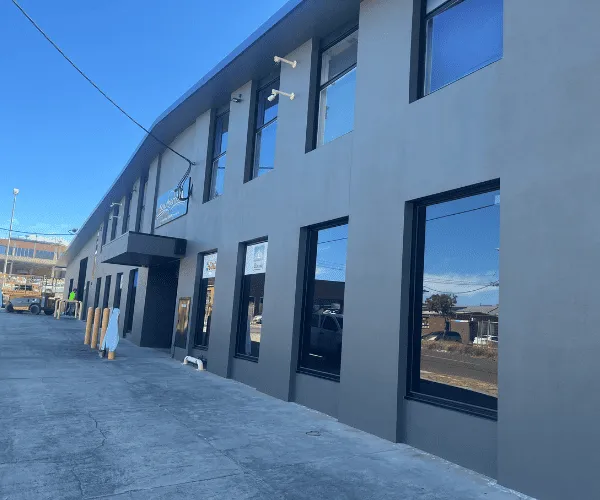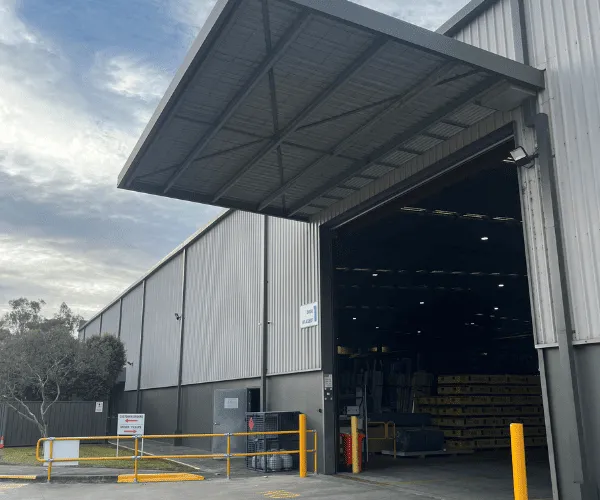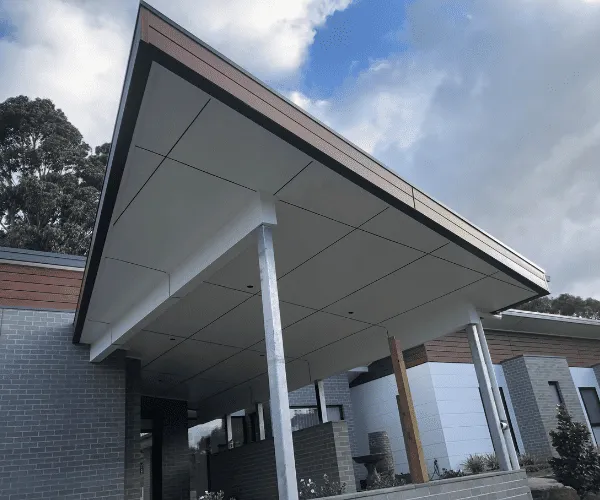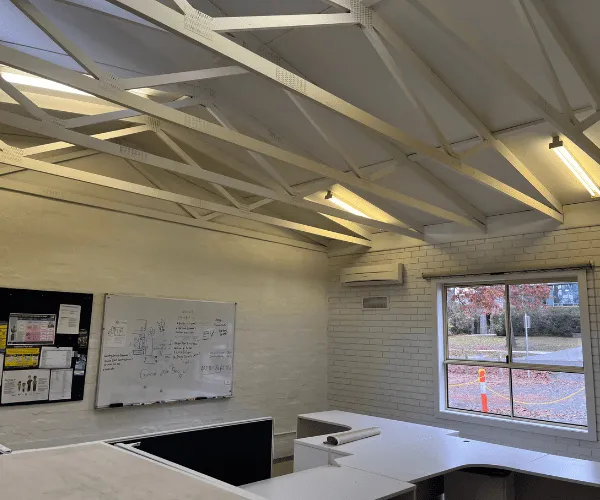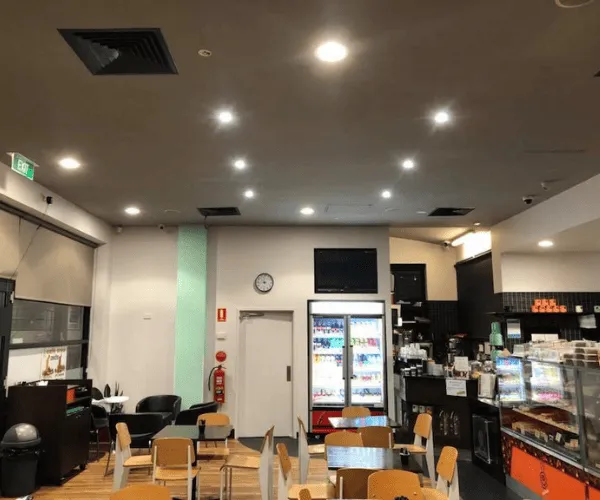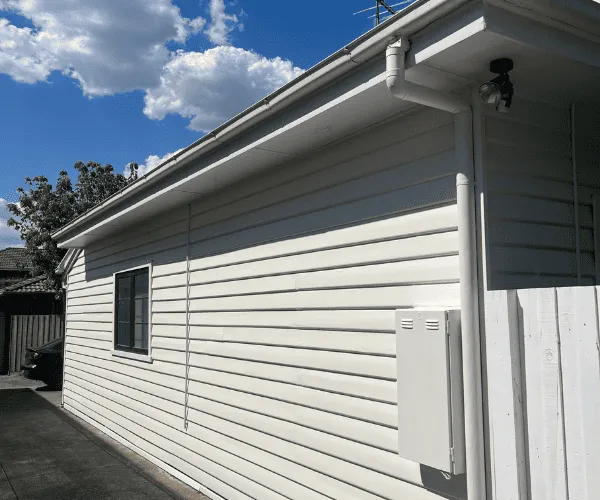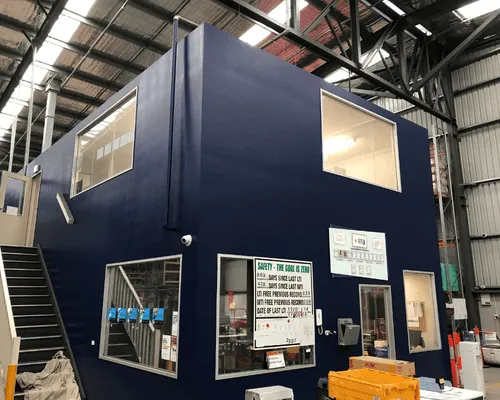
A scuffed reception wall, tired shopfront or marked warehouse floor can change how customers, tenants and staff see a business before a conversation even starts. Commercial painters do more than apply a fresh coat of paint. They help keep business premises presentable, protected and ready to operate.
For property managers and business owners, the right painting contractor should make the process easier, not add another problem to manage. That means clear scopes, practical advice, reliable scheduling and workmanship that holds up in a busy environment.
Why Commercial Painting Is a Business Decision
Commercial painting has a direct effect on the way a property performs. A clean, well-finished office can support a professional client experience. A maintained retail space can make stock and signage stand out. In industrial settings, suitable coatings can help protect surfaces exposed to frequent use, moisture, cleaning products or machinery.
Appearance matters, but it is only one part of the job. Paint systems are selected according to the surface, the use of the space and the conditions the coating needs to withstand. A hallway used by staff, visitors and delivery teams needs a different level of durability from a boardroom wall. An exterior façade exposed to Melbourne weather needs proper preparation and materials suited to the surface beneath.
Painting can also be an efficient way to refresh a premises between tenancies, after fit-outs or before an important inspection. When the work is planned properly, it can improve the look of the space without requiring major building works.
What Good Commercial Painters Look At First
A professional quote should start with more than a quick glance at the walls. Commercial painters need to understand how the building is used, what condition the existing surfaces are in and what outcome the client needs.
Preparation is often where the quality of a painting project is decided. This may include cleaning surfaces, filling damage, repairing plaster, sanding rough areas and treating affected sections before painting begins. If the preparation is rushed, even premium paint will struggle to deliver a neat, durable finish.
The team should also consider access. High walls, stairwells, warehouses, shopfronts and shared building areas may require different equipment, safety planning and timing. For a business that must remain open, the practical question is not simply, “When can you paint?” It is, “How can this be completed with the least disruption to our staff, customers and operations?”
The Scope Needs to Be Clear
A clear scope helps prevent surprises once work is underway. It should identify the areas being painted, the level of preparation required, the coating system, colours, access arrangements and expected timing.
This is especially useful for property managers coordinating several stakeholders. Tenants, building managers and maintenance teams can all work from the same plan. It also gives the painting contractor a proper basis for scheduling labour and materials.
Price matters, of course, but the lowest quote is not always the best value. A quote that leaves out preparation, protection of surrounding areas or access requirements can lead to avoidable variations later. A detailed quote makes it easier to compare like for like.
Choosing Colours That Work Harder
Commercial colour selection should support the purpose of the space. A medical practice may need calm, clean tones that feel welcoming without appearing cold. A retail store may use stronger colours to align with branding and draw attention to key areas. Offices often benefit from balanced neutral shades that suit different furnishings and signage over time.
Practicality has a place in the decision too. High-traffic corridors, loading areas and shared amenities can show marks more readily than low-use rooms. Choosing an appropriate finish can make routine cleaning easier and help the area continue to look well cared for.
Exterior colours need an equally considered approach. They should suit the building, work with existing signage and respond well to light conditions. A colour that looks right on a small sample can appear very different across a large façade or under harsh afternoon sun. Testing samples on site is a sensible step before committing to the full job.
Planning Work Around Your Operations
The best commercial painting projects are planned around the business, not the other way around. An office may be painted after hours or in stages so staff can keep working. A retail project may need to be organised around trading hours, stock deliveries and customer access. Industrial sites may have safety inductions, restricted zones and production schedules to manage.
There is no single approach that suits every site. Working outside business hours can reduce disruption, but it may add cost and require extra coordination. Completing work during quieter daytime periods may be more economical if areas can be isolated safely. The right option depends on the premises and the pressure on day-to-day operations.
A dependable contractor will discuss these details early. They should protect floors, furniture, equipment and nearby surfaces, keep the site orderly and communicate if conditions change. Good communication is not an added extra on a commercial project. It is what allows everyone to plan with confidence.
Maintenance Is Better Than Waiting for a Major Refresh
Painting maintenance helps businesses avoid letting small issues become larger, more expensive jobs. Regular inspections can identify marked walls, damaged plaster, moisture-affected areas, fading external paintwork and worn coatings in high-use zones.
For multi-site operators and property managers, a maintenance plan can make budgeting easier. Instead of waiting until several areas need urgent attention, work can be prioritised across the year. A reception refresh, stairwell touch-up, office repaint and exterior maintenance programme can be scheduled in a practical order.
This approach is particularly useful for strata properties, rental portfolios, schools, medical facilities and commercial buildings with frequent tenant movement. Consistent presentation supports the value of the property and gives occupants confidence that the building is looked after.
Repairs and Painting Often Belong Together
Paint cannot hide every surface issue. Cracks, dents, damaged plaster, timber wear and minor carpentry concerns may need attention before painting can achieve the right result.
Using one professional team for repairs and painting can simplify the job. It reduces the need to coordinate multiple trades and helps ensure the prepared surface and final finish work together. For clients, that means fewer handovers and a clearer point of contact from quote through to completion.
Questions Worth Asking Before You Engage a Contractor
Before booking commercial painting work, ask how the contractor will prepare the surfaces, protect your premises and manage access. Confirm who will be supervising the job, how updates will be provided and what the expected timeframe is.
It is also worth asking about experience with similar properties. Painting an office, a restaurant, a warehouse and a retail tenancy each brings different requirements. A contractor familiar with commercial environments will understand the need for safe work practices, tidy presentation and predictable turnaround.
Finally, make sure the quote reflects the full job rather than only the visible painting. The right contractor will be upfront about what is included and will explain any factors that could affect the scope. Straight answers at the start set the project up for a better result.
A Better Finish Starts With a Better Plan
Commercial painting should leave your premises looking professional while allowing your business to keep moving. Whether you are preparing a new tenancy, maintaining a busy facility or improving a customer-facing space, the work needs to be planned around real operating conditions.
WE DO Painting works with Melbourne businesses and property managers that need experienced, reliable painting, repairs and maintenance. A clear quote and a practical site plan can turn an overdue painting job into a straightforward improvement your staff, customers and tenants notice for the right reasons.