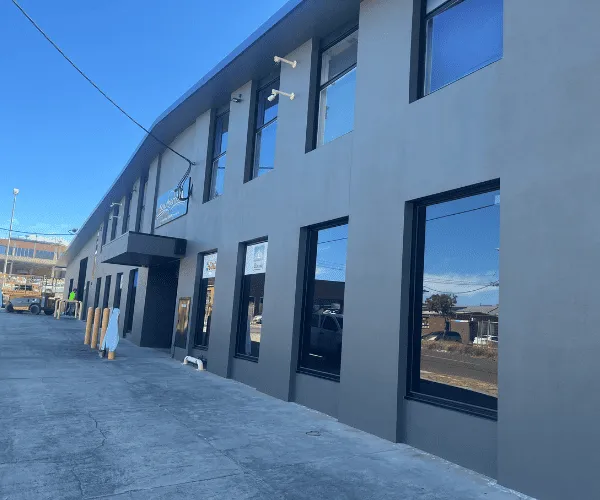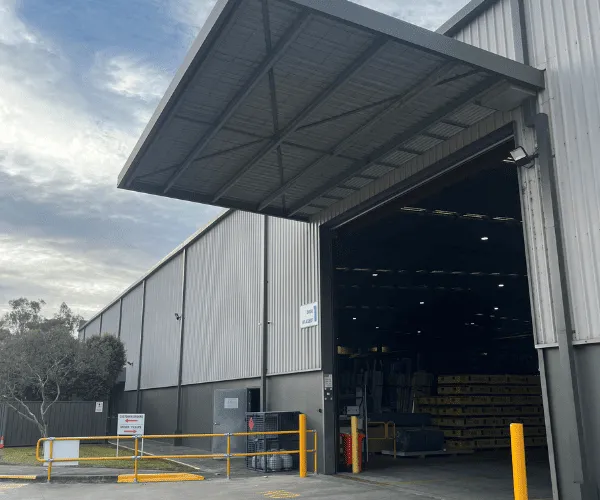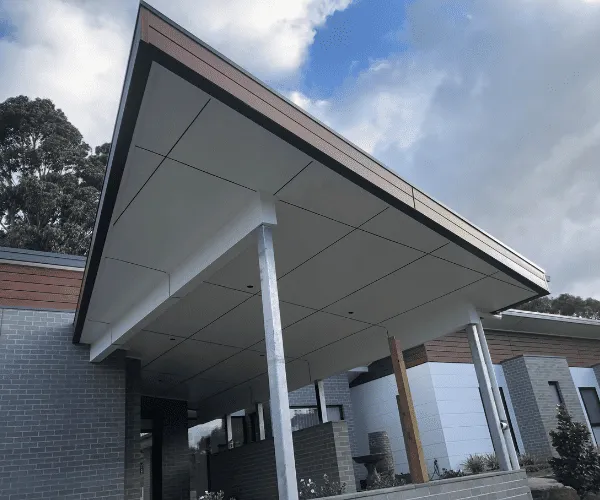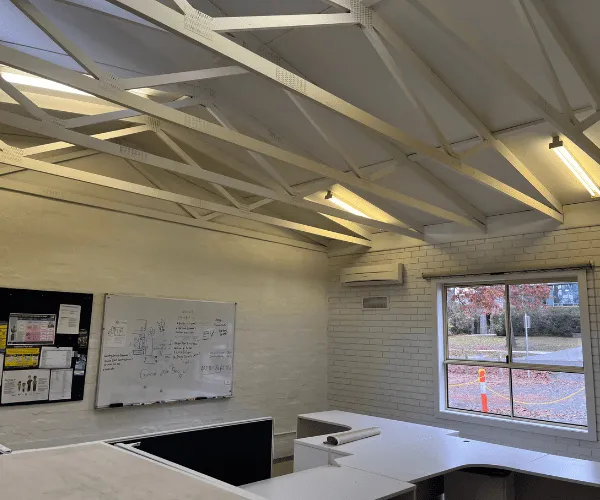
A factory floor does not stay forgiving for long. Forklifts, pallets, moisture, dust, washdowns and day-to-day traffic all put painted surfaces under pressure, and when coatings start to fail, the site can quickly look tired, unsafe or poorly maintained. That is why factory painting is not just about freshening up a building. It is about protecting assets, supporting safer operations and keeping a working environment fit for purpose.
For factory owners, site managers and facility operators, the real question is not whether paint matters. It is where it matters most, how long it needs to last, and what level of preparation is required to get a result worth paying for. In industrial settings, the wrong coating system or rushed surface prep can cost far more than the original job.
Why factory painting matters more than appearance
A factory has different demands from an office, shopfront or house. Surfaces are exposed to more wear, and the cost of downtime is higher. Paintwork in these environments often needs to do several jobs at once. It can protect steel from corrosion, seal masonry against moisture, improve light reflectivity inside work zones, help define traffic areas and present a more professional image to staff, visitors and auditors.
There is also a maintenance issue at play. When walls, structural steel, line markings and external cladding are left too long, deterioration can spread quietly. Rust under old coatings, concrete dusting, peeling in damp areas and UV breakdown on exposed exteriors are common problems. A proper factory painting project helps catch those issues early, before they become larger repair costs.
Presentation still counts, even in heavy-duty settings. A clean, well-maintained facility signals that the site is run properly. That can affect staff pride, client impressions and even how routine inspections feel when someone walks through the door.
What a factory painting project usually includes
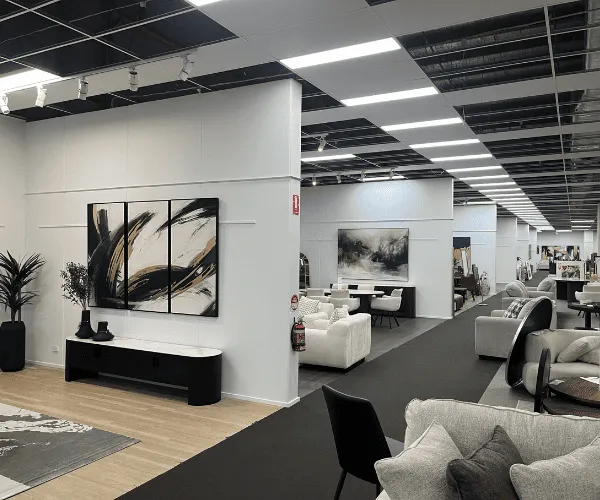
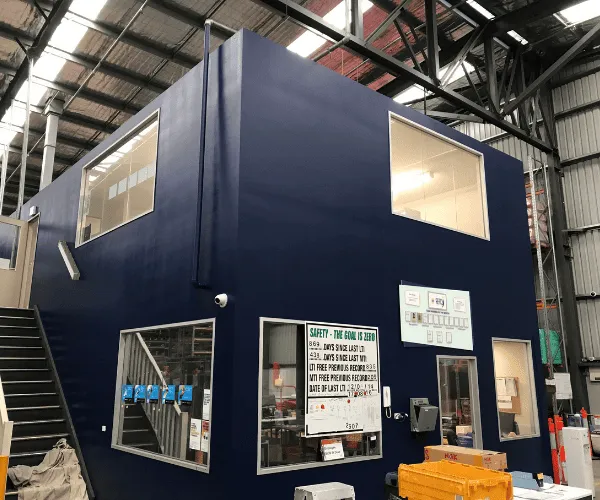
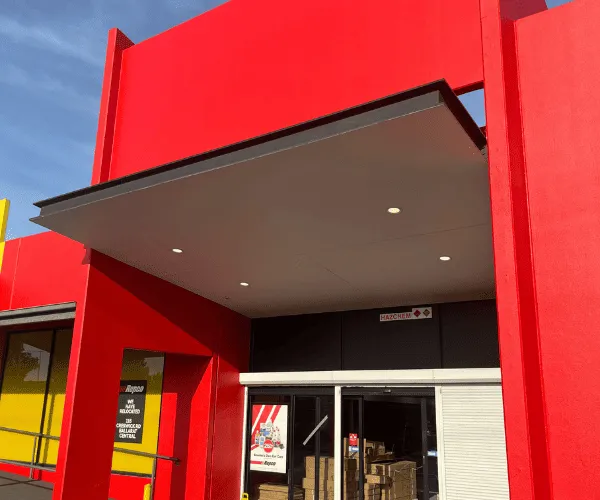
Not every factory needs the same scope of work, which is why a site inspection matters. Some projects focus on internal walls and ceilings to improve brightness and cleanliness. Others are more about external steel, cladding, roller doors and weather-exposed surfaces. In many cases, the job also includes floor coatings, safety markings, bollards, handrails and loading bay areas.
High-wear zones need special attention. Plant rooms, service corridors, washdown sections and areas near chemical exposure may need different products from standard wall coatings. Likewise, food-related facilities, manufacturing plants and warehouses can each have their own operational requirements, including cleaning schedules, odour sensitivity and access restrictions.
The best approach is usually practical rather than one-size-fits-all. A reliable contractor will look at substrate type, site conditions, exposure levels and how the space is used day to day before recommending a system.
Surface preparation decides the result
If there is one part of factory painting that should never be treated as optional, it is preparation. Industrial coatings are only as good as the surface beneath them. Painting over grease, loose material, rust or failed coatings may improve appearance for a short time, but it rarely holds up.
Preparation can involve pressure cleaning, degreasing, sanding, scraping, rust treatment, patching damaged surfaces and removing flaking paint. Steel may need mechanical abrasion or spot priming. Masonry can need crack repairs or sealing. Concrete floors often require grinding before a coating system is applied properly.
This is where cost and value can pull in opposite directions. A cheaper quote may allow less time for prep, which can make the price look appealing upfront. But in a factory environment, shortcuts tend to show up quickly. Early peeling, poor adhesion and uneven wear are expensive problems because they often mean redoing work around live operations.
Choosing coatings for factory conditions
The right paint system depends on what the surface is dealing with. Internal walls in general warehouse space may only need a durable low-sheen or washable acrylic system. Structural steel in harsher conditions might need epoxy primers and hard-wearing topcoats. Floors often call for specialised epoxy or similar heavy-duty coating systems where traffic, spills or abrasion are part of normal use.
Colour choice also has a practical side. Lighter wall and ceiling colours can improve visibility by reflecting more light, which may help reduce the need for excessive artificial lighting in some spaces. Safety colours are often used for handrails, plant zones, hazard areas and traffic markings. Exterior colours need to account for UV exposure, heat absorption and the overall look of the site.
There is no single best coating for every factory. A product that performs well in a dry storage warehouse may not suit a damp processing area or an exterior steel frame near coastal air. That is why specification matters. The job should suit the environment, not the other way around.
Minimising disruption during factory painting
For most industrial clients, disruption is one of the biggest concerns. A painting project that interferes with production, deliveries or staff movement can create more stress than the maintenance problem it was meant to solve. Good planning makes a major difference.
In many cases, works can be staged around operational zones rather than treating the whole site at once. After-hours scheduling, weekend works or section-by-section delivery may help reduce downtime. Clear communication is essential, especially where access equipment, floor closures or strong odours could affect staff and workflow.
This is also where experience counts. Industrial painting is not just about applying coatings. It is about working safely, coordinating with site contacts and delivering the job in a way that respects how the facility runs. The neatest finish in the world is not much use if the process around it causes unnecessary delays.
Safety, compliance and site access
Factory painting often takes place in active environments with machinery, vehicle traffic, loading activity and controlled access areas. That means safety needs to be considered from the start, not added later. Access equipment, exclusion zones, signage, ventilation and sequencing all need to be planned properly.
Some jobs involve working at height around rafters, exposed steel or high internal walls. Others involve repainting line markings or floors where slip resistance matters. In these situations, the quality of the finish matters, but so does the contractor’s ability to work methodically and maintain a safe site while the job is underway.
A professional team should also understand that industrial clients want clarity. They want to know what is being painted, how long it will take, what preparation is included and what parts of the site will be affected. Straight answers build trust and help the project run more smoothly.
When is the right time to schedule factory painting?
Many sites leave painting until coating failure is obvious. By then, the work is often more involved. Rust may have spread, damaged sections may need repair and preparation becomes more labour-intensive. Scheduling maintenance painting before visible failure is usually the smarter move.
Signs that a factory may be due include peeling coatings, fading external surfaces, rust spots, chalky residue on painted areas, worn line markings, stains that no longer wash off and general patchiness across high-traffic zones. Even if the problem looks cosmetic, it is worth checking whether there is underlying moisture, corrosion or surface breakdown contributing to it.
Timing also depends on operations. Some businesses plan painting around shutdowns or quieter production periods. Others stagger works over time to spread cost and reduce interruption. There is no perfect calendar for every site, but there is value in planning before urgent issues force the timeline.
What to look for in a factory painting contractor
Industrial clients usually do not need big promises. They need a contractor who turns up, understands the environment and does the work properly. That means clear quoting, realistic timeframes, proper preparation, suitable product selection and communication that stays consistent once the job starts.
It also helps to work with a team that can identify related maintenance issues while they are on site. In factory environments, painting and repairs often go hand in hand. Cracks, damaged plaster in office sections, deteriorated external timbers or minor carpentry issues around trims and access points can all affect the final result if left unattended.
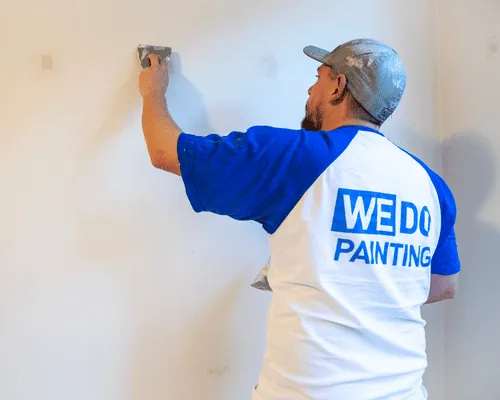
For facilities across Melbourne, practical experience matters because no two sites operate the same way. WE DO Painting approaches these projects with that in mind – straightforward advice, dependable workmanship and a focus on finishes that hold up in real working conditions.
A good factory painting job should leave more than a cleaner-looking building. It should leave you with surfaces that are easier to maintain, a site that presents better, and fewer headaches over what has been left too long.