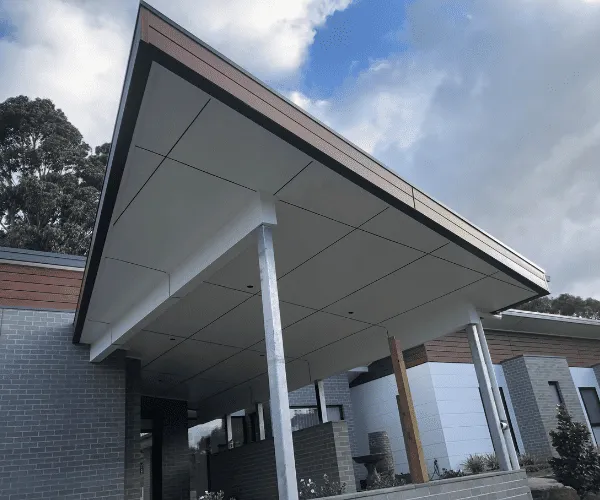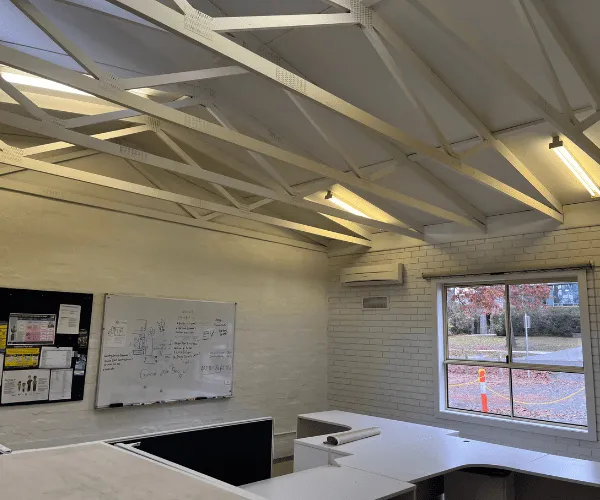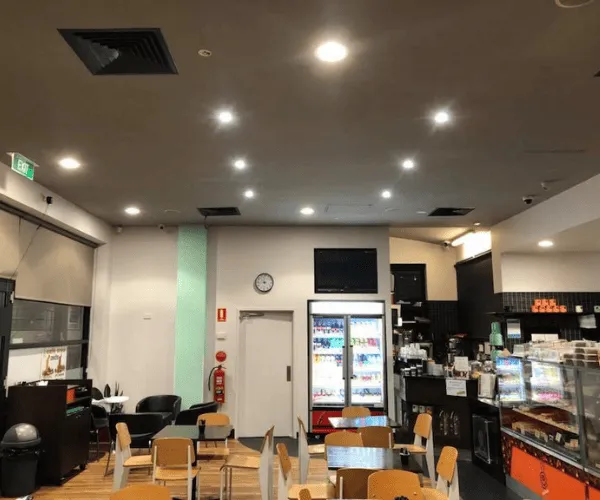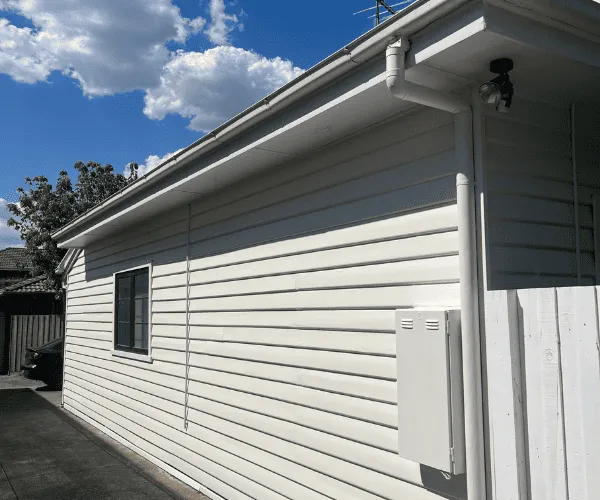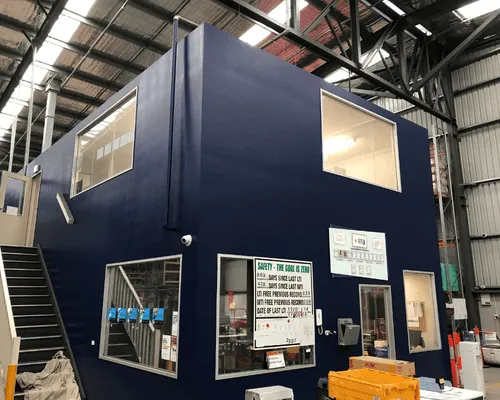
A factory floor tells you very quickly whether a paint job was done for appearance or for performance. In industrial spaces, coatings are not just about looking clean. They help protect assets, support safer work areas and keep a site presentable for staff, clients and inspections. That is why factory painting Melbourne businesses invest in needs a practical approach from the start.
The wrong paint system, poor preparation or rushed scheduling can create expensive downtime later. The right approach does the opposite. It gives you a finish that works hard, lasts well and suits the way your facility actually operates.
What factory painting in Melbourne really involves
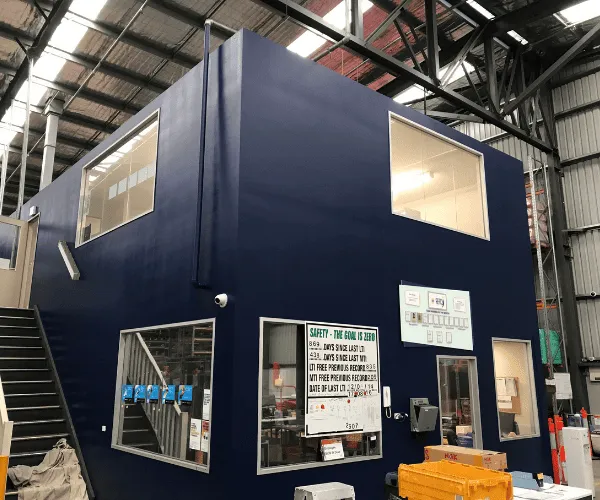
Factory painting is different from standard commercial painting. Warehouses, production areas, loading zones, offices within industrial sites and exterior plant surfaces all deal with heavier use, more traffic and stricter operational demands. A factory may also have machinery, storage systems, safety markings and access limitations that shape how the work should be planned.
That means the job starts well before the first coat goes on. Site conditions need to be assessed properly. Some areas may need high-durability coatings. Others may need low-odour products because staff are working nearby. External sections may need systems that cope with Melbourne’s changing weather, while internal walls and ceilings may need finishes that are easier to keep clean over time.
A dependable contractor looks at the whole picture – not just square metres and paint colours. Access, staging, surface condition, operating hours and maintenance priorities all matter.
Why businesses book factory painting Melbourne services
For some owners and facility managers, the trigger is obvious. The building looks tired, the presentation no longer reflects the business or the site is due for broader maintenance works. For others, it is more about protection and planning ahead.
Industrial buildings take a beating. Forklift movement, moisture, dust, chemical exposure in some settings and day-to-day wear all place pressure on painted surfaces. A well-chosen coating system helps reduce that impact and extends the life of the substrate underneath.
Presentation matters too. A cleaner, sharper factory helps create confidence. It improves how the site is seen by visiting clients, contractors and staff. If you manage multiple properties, consistency across facilities can also support brand standards and simplify maintenance planning.
There is also a practical staffing benefit. Well-maintained industrial spaces tend to feel more organised and better managed. That may sound simple, but it makes a difference in workplaces where first impressions and day-to-day pride matter.
The areas that usually need the most attention
Not every factory painting project is the same, and not every part of the site needs the same treatment. Internal walls, high ceilings, structural steel, exterior cladding, roller doors, lunchrooms, amenities and office fit-outs can all be part of the scope. In some facilities, line marking and defined traffic zones are just as important as wall finishes.
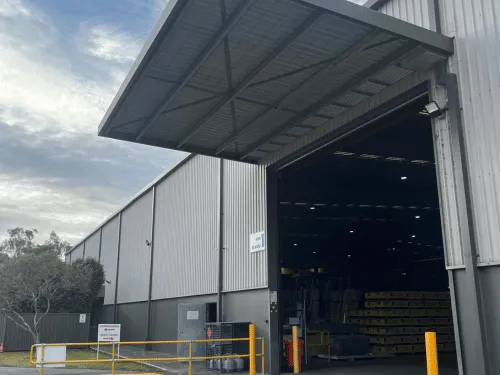
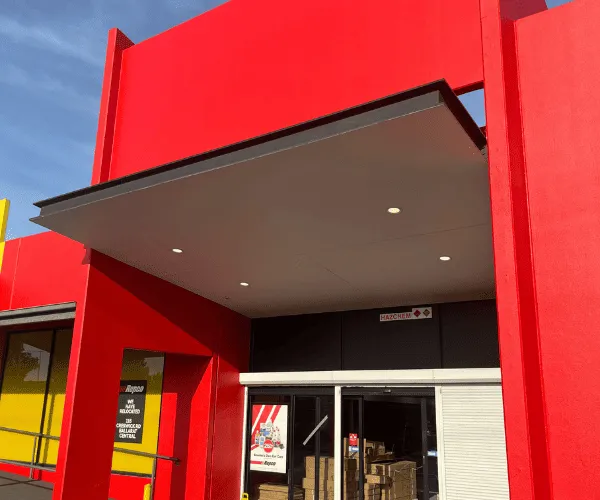
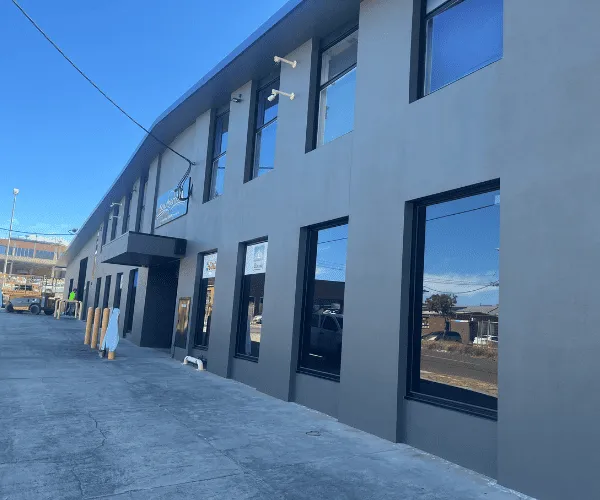
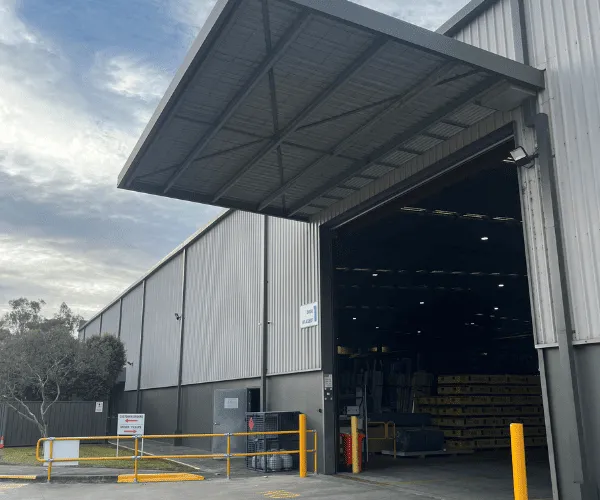
The highest-wear areas usually need the most planning. Loading docks, dispatch zones and production spaces often demand tougher systems than low-traffic rooms. Exterior surfaces can also vary widely. Metal cladding, concrete walls and rendered sections each need preparation and coatings suited to their material and exposure.
This is where experience matters. A painting contractor should be able to explain what is necessary, what is optional and where budget is best spent for long-term value.
Preparation is where the result is won
In factory painting, preparation is not the quiet part of the job. It is the job. Surface cleaning, repairs, patching, sanding, treating problem areas and protecting surrounding equipment all influence the final result.
If there are cracks in plastered office sections, damaged wall areas or worn surfaces around entry points, those issues should be addressed before painting starts. If there is corrosion on metal elements, that needs the correct treatment and primer system. If machinery and stock are nearby, containment and protection need to be organised carefully.
A quick paint-over may look acceptable for a short time, but industrial environments expose weak workmanship fast. Good preparation is what helps coatings bond properly, wear evenly and hold their finish under pressure.
Timing matters as much as workmanship
One of the biggest concerns for factory owners is disruption. Fair enough. Painting works should improve the site, not interfere with production more than necessary.
That is why planning and communication are just as important as technical skill. Some projects are best staged in sections. Others work better after hours, on weekends or during planned shutdown periods. It depends on the building, the risk profile and how the business operates.
There is usually a trade-off between speed and access. A site with full clear access can often move faster. A live environment with active staff, vehicles and stock movement may need a slower, more controlled program. The goal is not simply to finish quickly. It is to finish properly while keeping the site functional and safe.
For Melbourne businesses with tight schedules, clear quoting and realistic timeframes make a big difference. No one wants vague promises on an industrial job.
Choosing the right coating system
There is no single best paint for every factory. The right system depends on the surface, the use of the area and the expected wear.
For example, a clean office within a factory may only need a durable low-sheen acrylic system that looks professional and is easy to maintain. A warehouse wall exposed to regular contact may need something tougher. Metal structures often require specialised primers and topcoats to protect against corrosion and weather. Floors may need coatings designed for traffic, grip and cleaning requirements.
This is where a practical recommendation matters more than a generic one. Cheaper products can reduce upfront cost, but if they are not suited to the environment, the savings rarely hold up. On the other hand, not every space needs the highest-spec system available. A good contractor will be honest about that.
Safety, compliance and site coordination
Industrial painting works need to be managed with care. Access equipment, exclusion zones, ventilation, signage and coordination with site managers all need proper attention. If the factory remains operational during the project, there must be a clear plan around worker movement, deliveries and area isolation.
This is one reason many businesses prefer to work with a full-service contractor rather than trying to manage multiple trades and patch-up works separately. If surface repairs, minor carpentry or maintenance items are identified during the process, it is far more efficient when the same team can coordinate the work.
A professional service should feel organised from the first inspection through to completion. That includes quoting, scheduling, communication and handover.
How to judge value, not just price
When comparing factory painting quotes, the cheapest figure is rarely the full story. You want to know what preparation is included, what products are being used, how access is being handled and whether staging has been allowed for properly.
It is also worth checking how clearly the scope has been written. If one quote includes repairs, protection, multiple coats and access equipment while another barely outlines the basics, the price gap may not mean much.
The best value usually comes from a contractor who understands industrial environments, communicates clearly and delivers a finish that lasts. For many businesses, that reliability is worth far more than a short-term saving.
At WE DO Painting, that practical approach matters. Industrial clients want experienced, reliable and professional painters who can get the job done properly, with minimal fuss and clear communication throughout.
A better result starts with the right questions
Before booking a contractor, it helps to ask a few straightforward questions. Has the site been properly inspected? Are repairs included? What coating system is being recommended, and why? Can the works be staged around operations? What protections will be in place for staff, equipment and stock?
The answers should be clear and specific. If they are not, that is usually a warning sign.
Factory painting is not just another maintenance item to tick off. Done well, it protects your building, improves presentation and supports smoother long-term upkeep. If you are planning works at your site, the smartest move is to treat the job as an investment in performance, not just appearance.