Factory Painter: What Good Industrial Painting Takes

Factory Painter: What Good Industrial Painting Takes

Need a factory painter? Learn what to expect from industrial painting, from surface prep and coatings to timing, safety and long-term value.

When a factory needs painting, the job is rarely just about freshening up the look of the building. A good factory painter helps protect steel, concrete and high-wear surfaces from moisture, chemicals, impact and daily traffic. Done properly, industrial painting supports safety, presentation and the working life of the asset.

That is why factory painting needs a different mindset from standard commercial or residential work. In an industrial setting, the finish still matters, but durability, site planning and surface preparation matter just as much. If the coating system is wrong or the prep is rushed, the paint can fail early, and that usually costs more to fix than doing it properly the first time.

What a factory painter actually does

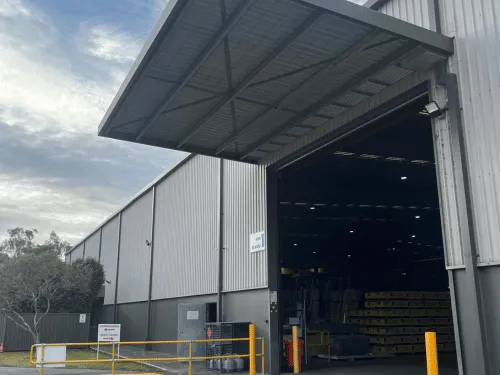
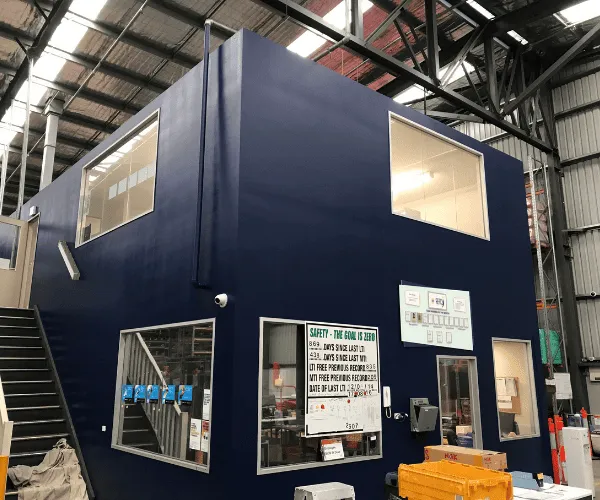
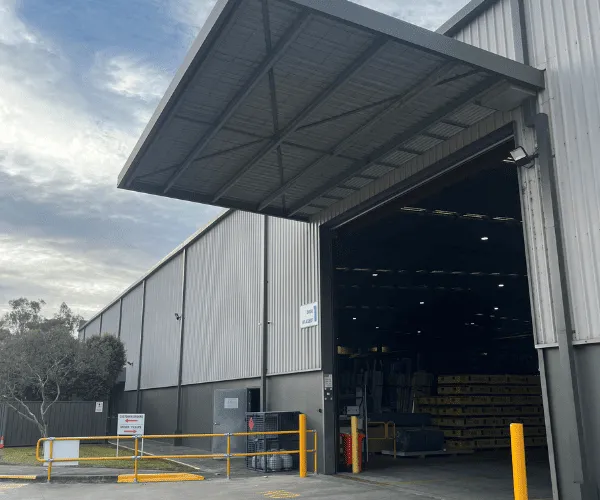
A factory painter works across internal and external industrial surfaces that are exposed to tougher conditions than a typical office or shopfront. That can include warehouse walls, manufacturing areas, structural steel, plant rooms, ceilings, cladding, loading zones, line marking areas and concrete floors.

The work often goes beyond applying paint. It can involve pressure cleaning, degreasing, rust treatment, patching damaged substrates, sanding, priming and choosing coatings that suit the environment. Some areas need washability. Others need chemical resistance, anti-slip performance or better light reflectivity to improve visibility on site.

There is also the practical side of working around operations. Many factories cannot simply stop for days at a time. A reliable contractor needs to plan staging, isolate work areas where required and keep the project moving with as little disruption as possible.

Why factory painting is different from other painting work

Industrial sites are harder on painted surfaces. Forklifts clip corners, machinery creates vibration, dust builds up, and moisture or fumes can shorten the life of standard coatings. Even where the building looks fairly clean, the substrate may still be contaminated with oils, residues or corrosion.

That changes the approach. A factory painter has to think about the building as a working environment, not just a blank surface. The right coating for an administration area may be completely wrong for a production floor or an external steel structure exposed to weather.

It also means timing matters. Some coatings need stable conditions to cure properly. If a site runs hot, humid or dusty, that affects both preparation and application. There is no one-size-fits-all product that suits every factory, which is why site assessment is such an important part of the process.

The biggest factor in a long-lasting result

If there is one part of factory painting that should never be treated as optional, it is preparation. Most coating failures start there. Peeling, blistering and poor adhesion are often caused by painting over contamination, loose material or surfaces that were never properly stabilised.

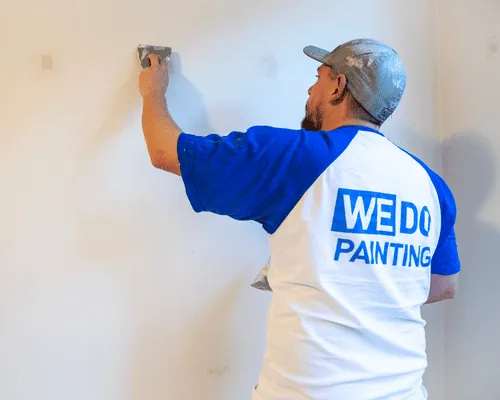
Good preparation depends on the substrate. Concrete may need cleaning, grinding or patching. Steel may need rust removal, sanding and a suitable primer. Previously painted surfaces might need scraping and sanding to remove failed coatings and create a sound base for the next system.

This is where experience counts. Over-preparing can add unnecessary cost, but under-preparing usually shortens the life of the finish. A professional approach is about matching the prep to the condition of the surface and the performance expected from the coating.

Choosing the right coating system

Not every factory needs a heavy-duty specialised system, but many do need more than a standard decorative paint. The right specification depends on what the surface deals with every day.

For example, internal walls in cleaner areas may benefit from a tough, low-sheen finish that is easier to wash and maintain. Structural steel may need primers and topcoats designed to slow corrosion. Floors in high-traffic zones may need epoxy or other hard-wearing systems that can handle movement, abrasion and regular cleaning.

There are trade-offs here. Higher performance coatings can offer better durability, but they may cost more upfront, take longer to cure or require stricter site conditions during application. In some cases, a simpler system is enough. In others, choosing the cheaper option can lead to earlier wear and more frequent repainting.

What to expect from a professional factory painter

A professional factory painter should bring more than labour to the job. You want clear quoting, practical advice and a plan that reflects how the site actually operates.

That starts with inspection. Before any price is locked in, the contractor should be looking at substrate condition, access requirements, operating hours, safety needs and the likely coating system. If a quote seems too quick or too vague, that is usually a warning sign.

You should also expect a realistic program. Industrial painting often involves access equipment, staging and curing times that cannot be rushed without affecting quality. A dependable contractor will be upfront about what can be done after hours, what needs shutdown access and where site conditions may affect the schedule.

Communication matters as well. On a working industrial site, delays and confusion create real costs. Knowing who is on site, what area is being worked on and when each stage will happen makes the whole process easier to manage.

Common factory painting projects

Some factory projects are about presentation. Others are about protection or maintenance. Often, they are a mix of both.

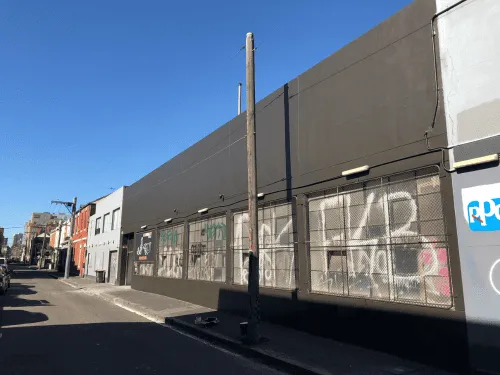
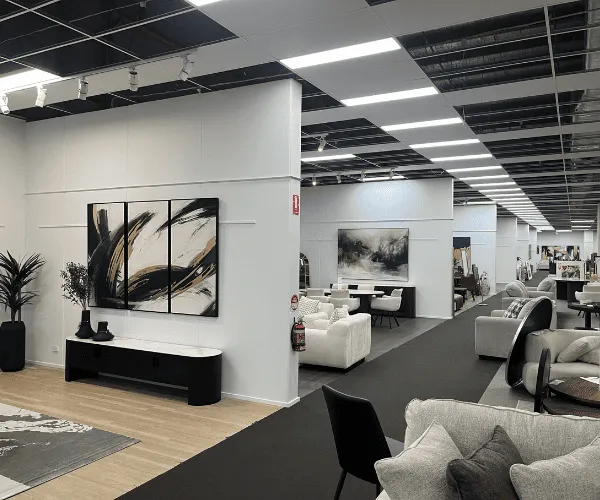
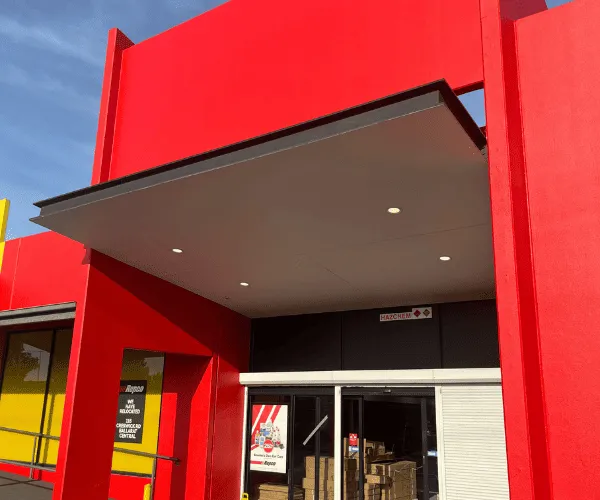
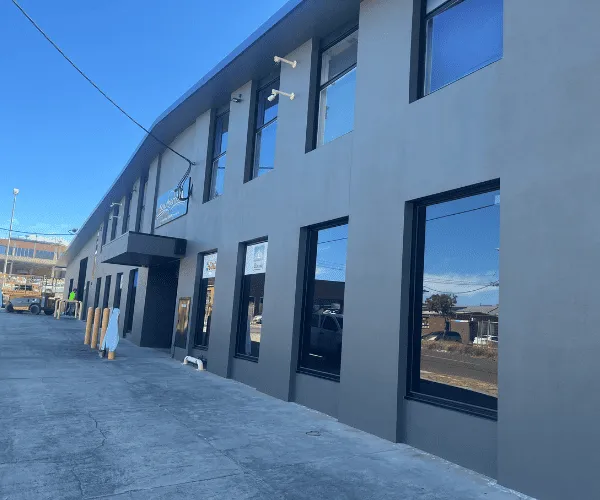
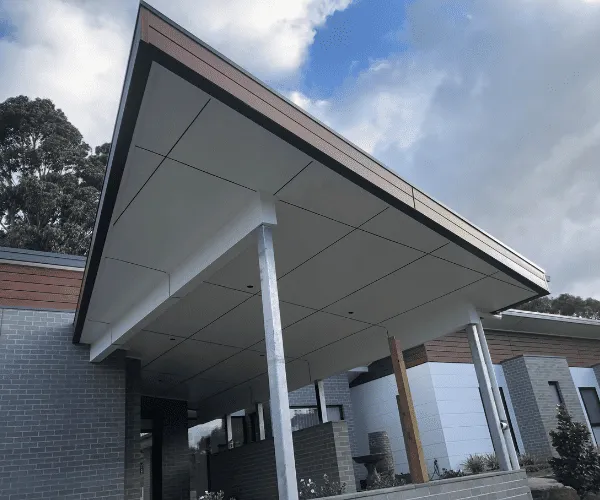
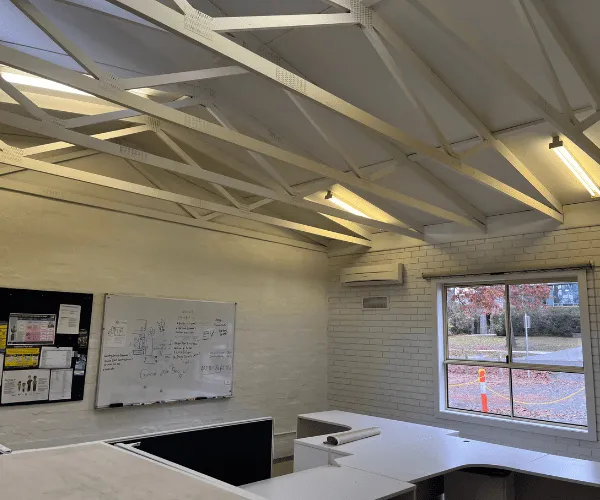
External repainting is common where cladding, metalwork and trim have faded or started to break down under weather exposure. Internally, walls and ceilings are often painted to improve brightness, cleanliness and the overall feel of the space. For businesses with client visits, these areas affect first impressions more than many owners realise.

Floor coatings are another major area. In factories and warehouses, the floor takes constant punishment. A properly prepared and coated floor can improve appearance, make cleaning easier and support safer movement through marked zones. That said, floor systems need careful planning because downtime, curing and traffic loads all need to be considered before work begins.

Maintenance painting is just as important as full repaints. Spot repairs, corrosion treatment and scheduled recoating can extend the life of assets and help avoid larger repair bills later on. For many facilities, this is the smarter long-term approach.

Safety and compliance on industrial sites

Factory painting has to be done with safety in mind. That includes access, traffic management, surface contaminants, ventilation and working around active operations. The painting itself may be straightforward, but the site conditions often are not.

This is another reason industrial experience matters. A contractor needs to understand how to work within site rules, coordinate with managers and keep the area safe for staff, visitors and trades. Clean work habits and good housekeeping are part of that. So is knowing when an area should be isolated or scheduled outside normal operating hours.

For the client, the benefit is simple. A job that is well managed is more likely to stay on schedule, avoid unnecessary interruptions and deliver a better result.

How to know when it is time to repaint

Some signs are obvious, like peeling paint, rust staining, flaking coatings or concrete floors that are wearing through. Others are easier to overlook. Surfaces that are harder to clean, areas that stay stained, or faded external finishes can all suggest the coating system is nearing the end of its useful life.

It is worth acting before the damage becomes more serious. Once corrosion spreads or moisture gets into unprotected areas, repair costs can rise quickly. Repainting at the right time is usually more cost-effective than waiting until multiple surfaces need heavier remedial work.

For owners, operators and property managers, the key question is not just whether the building looks tired. It is whether the surfaces are still being protected the way they should be.

Getting value from the job, not just a lower quote

The cheapest quote is not always the best value in factory painting. If prep is light, the wrong coating is used or the program is unrealistic, the savings can disappear fast. Rework, downtime and early coating failure are expensive.

A better way to assess value is to look at scope, preparation, coating suitability, turnaround and the contractor’s ability to work reliably in an industrial environment. A clear quote should tell you what is included, what condition issues have been allowed for and where any limits or assumptions sit.

That is the difference between buying a paint job and investing in a result. Businesses that choose well usually get a finish that lasts longer, presents better and creates fewer maintenance headaches over time.

Industrial sites do not need fancy promises. They need practical workmanship, the right coating system and a team that turns up ready to do the job properly. If your facility is showing wear, a capable factory painter can make a visible difference straight away and a financial difference over the years that follow.