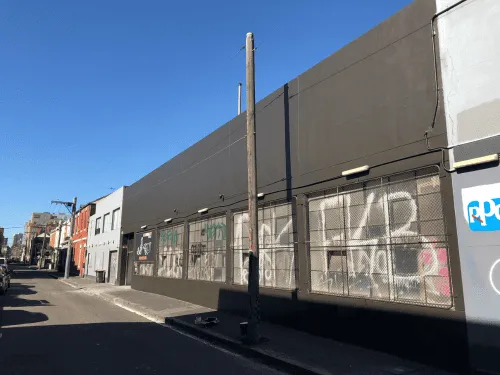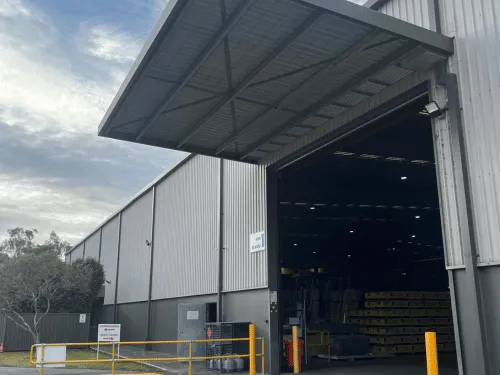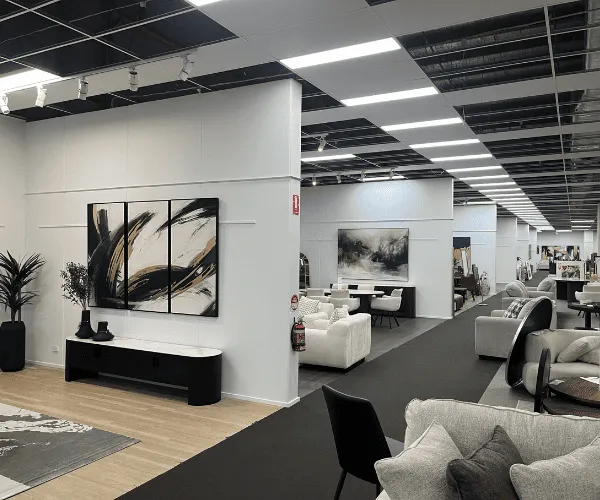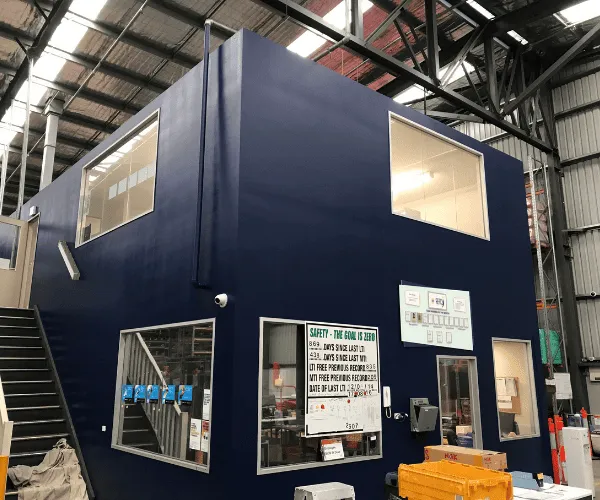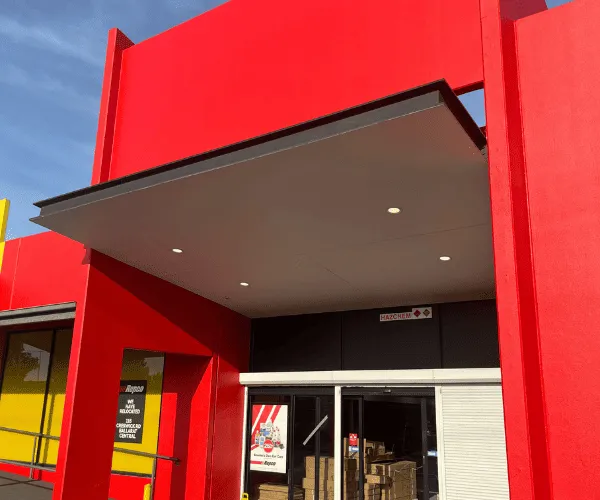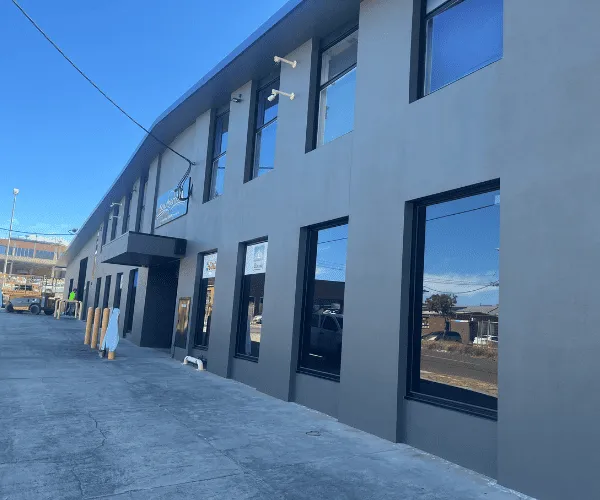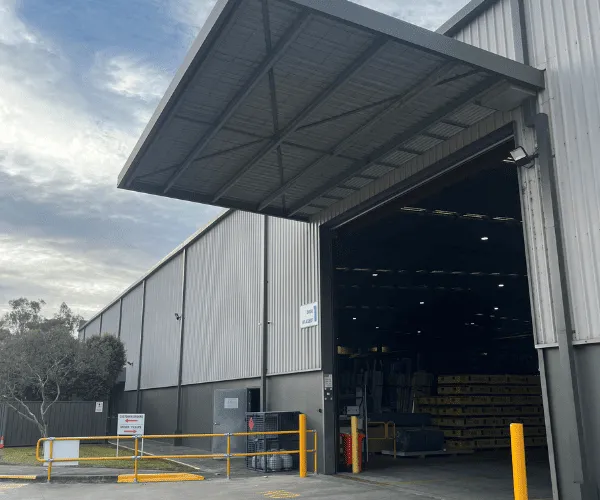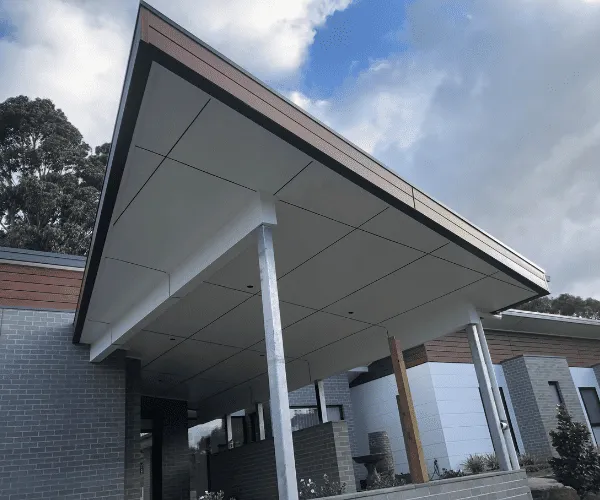
A scuffed warehouse wall, marked reception area or tired lunchroom can send the wrong message before a client has spoken to anyone. Factory and office painting is not simply about making a workplace look fresh. Done properly, it protects hard-working surfaces, supports safer operations and helps present a business that takes pride in its standards.
For facility managers, business owners and strata managers, the challenge is getting that work completed without stopping the day-to-day operation. The right painting contractor plans around access, people, equipment and deadlines, then delivers a durable finish that suits how the space is actually used.
Why factory and office painting needs a different approach
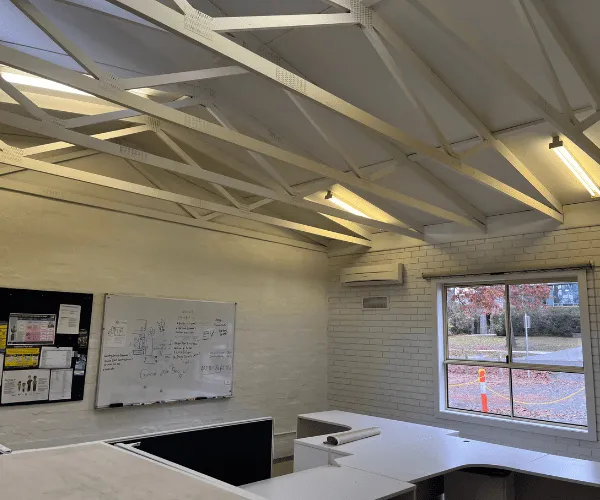
Offices and factories may both need professional painting, but the conditions are rarely the same. An office often needs a clean, consistent appearance across reception areas, meeting rooms, workstations and amenities. A factory may have high-traffic corridors, machinery zones, loading areas, storage rooms and surfaces exposed to dust, knocks or regular cleaning.
That difference affects everything from preparation to paint selection. A standard interior wall coating may work well in a quiet office, while an industrial area may need a tougher system that stands up to frequent contact and cleaning. In some environments, low-odour products and staged work are the priority. In others, surface protection and safe access around operational areas matter most.
The best result comes from assessing the building before quoting. That means looking at the existing surface condition, identifying damage or repair needs, confirming access requirements and understanding when each area can be worked on. A quick quote is useful, but it should still be based on the practical details that affect quality and timing.
Start with the areas people notice most
Not every part of a workplace needs attention at once. When budget or operating hours make a full repaint impractical, prioritising the most visible and heavily used spaces can deliver a strong result without creating unnecessary disruption.
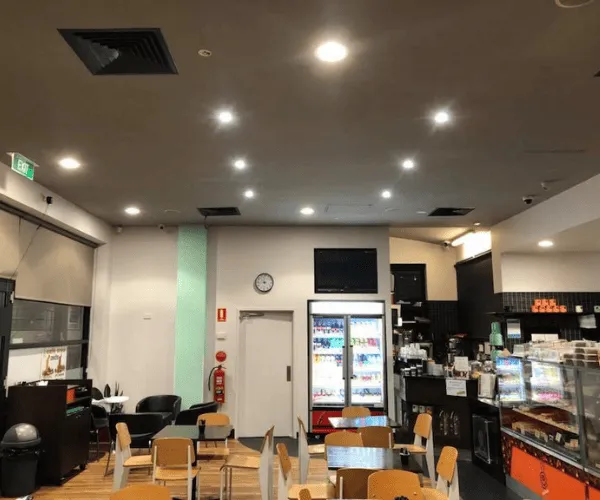
For an office, the front entry, reception, boardroom, main corridors and staff amenities usually have the greatest impact. These areas shape how clients, visitors and employees experience the business. Clean, well-finished walls also make lighting, signage and furniture look more considered.
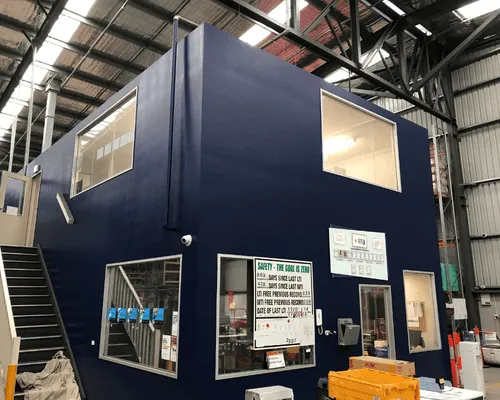
In a factory or industrial facility, entrances, offices within the warehouse, dispatch zones, staff facilities and pedestrian walkways are often sensible starting points. A maintained finish in these areas supports a more organised workplace and helps separate customer-facing spaces from the heavier demands of the production floor.
This does not mean less visible areas should be ignored. Scheduled maintenance prevents small marks, plaster damage and coating wear from becoming larger repair jobs. The right approach is to plan work in stages, based on what the property needs now and what can be scheduled later.
Choose coatings for the job, not just the colour
Colour matters, particularly in offices where it can influence the feel of a space. Neutral shades can create a calm, professional setting, while feature walls can help define reception areas, collaboration zones or brand colours. In a factory, lighter colours can improve brightness around work areas, while clearly chosen colours may assist with wayfinding and visual separation.
But colour is only one part of the decision. The coating needs to suit the surface and environment. Walls in high-contact areas may benefit from a washable finish. Amenities and kitchens need products suited to regular cleaning and moisture. Metal, concrete, plaster and timber each require appropriate preparation and compatible coatings.
Gloss level also deserves attention. Higher-sheen paints are generally easier to wipe down, which can suit busy corridors and service areas. However, more sheen can highlight uneven surfaces or past repairs. Lower-sheen finishes give a softer look in offices, but may not be the right choice for every high-traffic location. It depends on how the area is used and the condition of the substrate.
A professional painter should explain these choices in plain language. The aim is not to specify the most expensive product in every room. It is to use the right system where it will provide the best value over time.
Preparation is where lasting results begin
A quality finish depends on what happens before the first coat goes on. Surfaces need to be cleaned, repaired, sanded and primed where required. Cracks, holes, damaged plaster and worn timber trim should be addressed as part of the scope, rather than painted over and left to show through later.
In commercial and industrial buildings, preparation can also include protecting floors, machinery, desks, stock, racking and other fixed assets. Careful masking and site protection keep the project tidy and reduce the risk of paint reaching areas it should not.
Access is another important consideration. High walls, stairwells, warehouse ceilings and external elevations may require elevated work platforms or other safe access equipment. This needs to be planned before work begins, along with any site inductions, permits and safety requirements.
Good preparation can take time, but it is rarely time wasted. It creates an even base for the finish coat and gives the paint the best chance of performing as intended in a demanding workplace.
Keep disruption under control
Business owners rightly want painting completed efficiently. The practical answer is not to rush the job. It is to organise it properly.
For office painting, work can often be staged room by room, after hours or over a weekend. Furniture may be moved to the centre of the room and covered, allowing teams to keep using other areas of the workplace. Where low odour is a concern, product selection and ventilation can be planned around staff returning to the space.
Factory painting may need to work around shift changes, deliveries, production schedules and restricted zones. A clear site plan identifies where painters can work, how equipment will enter the building and which areas must remain accessible. If line marking, safety colours or specialist coatings are involved, the sequencing becomes even more important.
Clear communication makes the difference. Staff should know what areas will be affected, when access may be limited and what needs to be moved before work starts. A reliable contractor confirms this early, provides realistic timing and keeps the client updated if site conditions change.
Build painting into your maintenance plan
Waiting until a workplace looks neglected usually means more preparation, more repairs and more inconvenience. Regular painting maintenance gives property managers greater control over costs and timing. It also allows work to be scheduled during quieter periods, lease transitions or planned shutdowns.
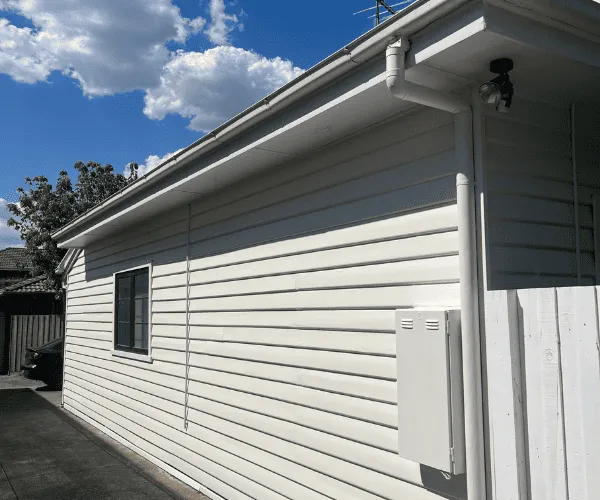
A practical maintenance plan may include annual inspections of high-use spaces, touch-ups to corridors and entry points, periodic repainting of office interiors and targeted repairs where walls or trims have been damaged. External surfaces should also be checked, especially where weather exposure affects the building’s appearance and protection.
For multi-site businesses or larger facilities, keeping a record of paint colours, finishes and completed works makes future maintenance easier. Consistency matters when different areas are refreshed over time. It helps the property continue to look cared for rather than patched together.
What to expect from a professional painting contractor
The right contractor should make the process easier, not add another job to your list. A clear scope of work should outline the areas being painted, preparation and repair requirements, coating systems, access needs and expected timing. It should also make clear what the client needs to arrange before the team arrives.
Look for a painter who understands that a workplace is still operating while the project is underway. Professional presentation, site cleanliness, safe work practices and respectful communication are just as important as the final finish. For Melbourne businesses, a local team that can inspect the site, quote clearly and respond when maintenance is needed provides real value.
WE DO Painting approaches commercial and industrial work with that practical focus: assess the site, prepare properly, coordinate around operations and complete the work to a high standard.
A well-maintained workplace tells staff, customers and visitors that the business is organised and cared for. Plan factory and office painting before the condition of the space starts dictating the schedule, and the work can be completed on your terms.