A painted exterior does more than improve street appeal. It is the first protective layer between your property and Melbourne’s wet winters, harsh summer sun, wind, dust and daily wear. This exterior paint maintenance checklist helps homeowners, property managers and business owners find small issues early, before they become larger repair jobs.
The right maintenance schedule depends on the building’s age, its exposure to weather, the materials beneath the paint and the quality of the previous preparation. A sheltered brick home will need different attention from a weatherboard house near the coast, or a commercial building with high-traffic entry points. Regular checks keep the work practical, targeted and easier to budget for.
Exterior Paint Maintenance Checklist: Start With a Visual Check
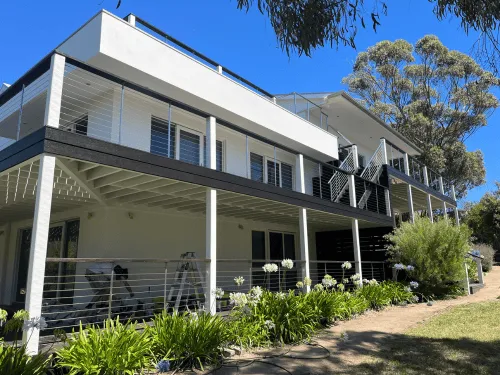
Walk around the property at least twice a year, ideally in autumn and spring. Stand back first, then inspect closer sections from ground level. Look at every elevation, not only the front façade. South-facing walls, high sun-exposure areas, timber trims and sections close to garden beds often show wear first.
Check for fading, uneven colour, chalky residue, hairline cracks, bubbling, lifting paint, exposed timber or bare patches. Pay close attention to window frames, fascias, eaves, verandah posts, gates and fence lines. These are smaller surfaces, but they are often the first places where moisture or UV exposure can affect the coating.
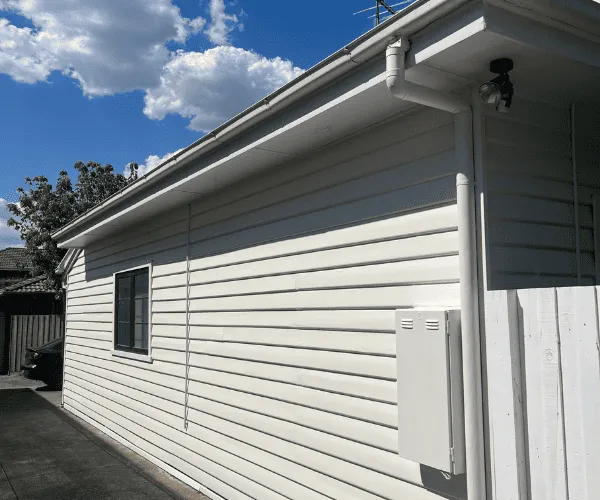
Also look for stains beneath gutters, around downpipes and below windows. Staining may point to overflow, leaks or poor drainage rather than a paint issue alone. Painting over the mark without fixing the cause can lead to the same problem returning.
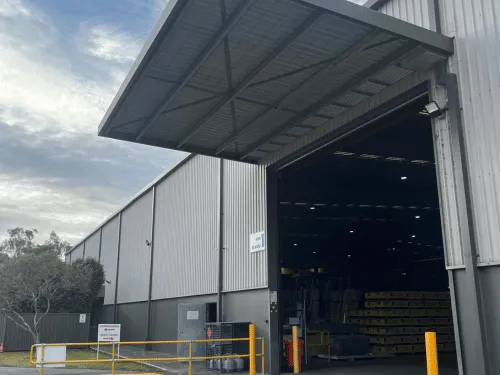
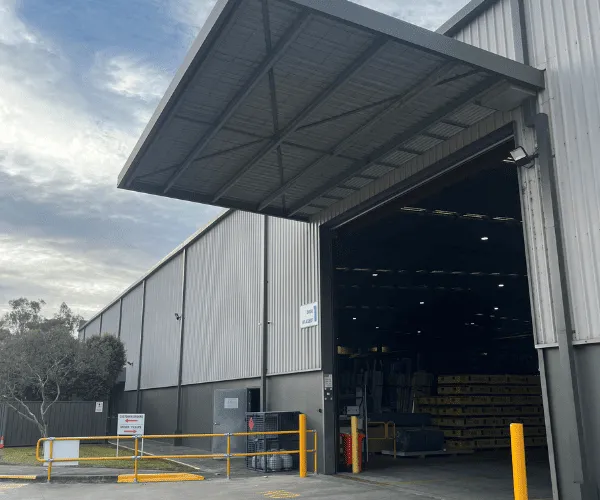
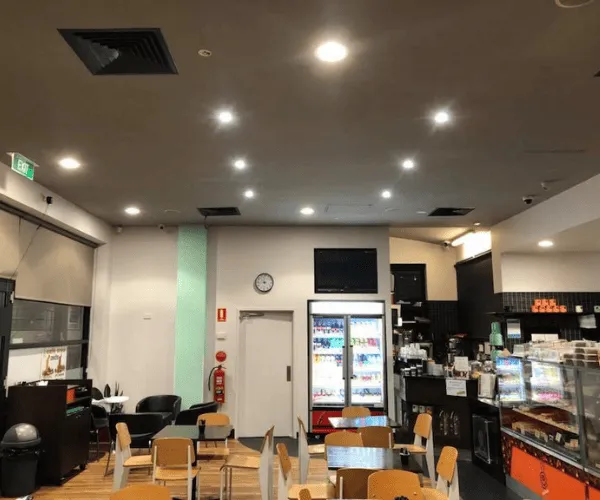
For commercial properties, include shopfronts, bollards, roller doors, loading areas and external handrails in the inspection. These surfaces receive more contact and may need touch-ups sooner than the building façade.
Check the Building Before the Paint
Paint performs best on a dry, sound surface. If there is a building maintenance issue behind the coating, a fresh finish will only provide a temporary improvement.
Look for loose mortar, cracked render, damaged timber, rust on metalwork and gaps around windows or doors. Check that gutters are clear and directing water away from walls. Make sure garden sprinklers are not repeatedly hitting painted surfaces, as constant water exposure can mark coatings and encourage surface deterioration.
Timber needs particular attention. Probe suspicious soft spots carefully and inspect joins, end grain and areas near the ground. Any movement, rot or damaged boards should be repaired before preparation and painting begin. The same applies to loose caulking around trims and penetrations. A neat, flexible seal helps stop water getting behind the painted finish.
This is where a full-service painting contractor can save time. When painting repairs, minor carpentry and surface preparation are coordinated properly, the finished work is built on a sound base rather than covering up a problem.
Clean Dirt, Mould and Salt Build-Up
Exterior paint collects dust, cobwebs, pollution, bird droppings and organic growth over time. On its own, surface dirt can make a well-painted property look tired. Left in place, it can also hold moisture against the coating.
A gentle wash once a year is usually enough for most homes. Use a soft brush or low-pressure rinse with a suitable exterior cleaning solution. Start at the bottom and work upwards when applying cleaner to reduce streaking, then rinse thoroughly from top to bottom.
Avoid blasting walls with high-pressure equipment unless the surface and paint system are suitable. Too much pressure can force water into joints, damage older render, roughen timber and remove sound paint. If you are unsure, a professional assessment is safer than turning a cleaning job into a repair project.
Properties in exposed areas may need more frequent washing. Coastal salt, busy-road grime and shaded, damp sections all call for closer attention. Cleaning is not just about appearance – it gives you a clear view of the paint condition underneath.
Keep Moisture Away From Painted Surfaces
Water is one of the biggest causes of exterior coating failure, especially where it enters through gaps or sits against a surface for extended periods. After heavy rain, take a few minutes to check for overflowing gutters, blocked downpipes, pooling water and damp patches near external walls.
Keep soil, mulch and garden edging below the level of timber cladding and painted trims. Plants should be cut back so air can move around the building. Dense shrubs pressed against a wall trap moisture, hide damage and make routine checks difficult.
Check the roofline as well. Loose flashing, damaged roof tiles and overflowing gutters can send water onto fascias and walls. The paint may show the first visible sign, but the source can be higher up. Addressing it early protects both the finish and the structure behind it.
Deal With Small Defects Promptly
A small crack or chip is easier to repair than a large section of damaged paintwork. Once bare material is exposed, moisture and sunlight can work into the surface and widen the affected area.
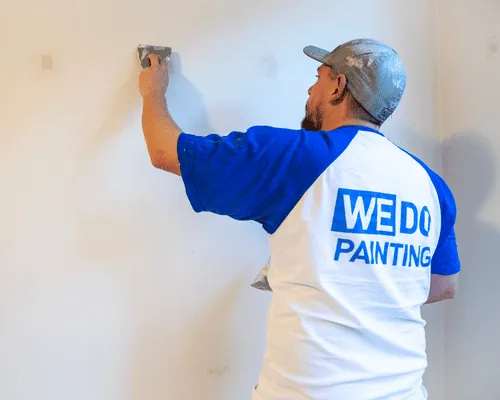
For minor touch-ups, clean the area, allow it to dry fully, remove loose material, sand the edges smooth and apply the appropriate primer where needed. Then use a matching exterior topcoat. Keep a labelled record of paint colours, brands, sheen levels and the date work was completed. This makes future maintenance far more straightforward.
Touch-ups are useful for isolated marks, but they have limits. Colour can change gradually with weather exposure, and a new patch may stand out against an older wall. If several areas need attention, or the coating is failing across a broad section, repainting the full wall or elevation generally provides a more consistent result.
Review High-Wear Areas More Often
Some areas need checking every few months rather than waiting for a six-month inspection. These include entry doors, front fences, gates, verandah rails, letterboxes, garage doors and commercial access points.
Hands, shoes, deliveries, trolleys and cleaning equipment can all mark these surfaces. A prompt clean and small repair can maintain a professional look without committing to a full repaint. For businesses, this matters because the entry and frontage shape how customers view the premises before they walk inside.
Metal surfaces deserve their own check. Look for rust spots, scratches and failing sealant around fixings. Rust must be treated properly before recoating. Simply applying paint over active corrosion will not stop it from spreading beneath the finish.
Plan Repainting Before the Finish Breaks Down
There is no single repainting timetable for every property. Quality coatings applied over well-prepared surfaces can last for years, while exposed timber or sun-facing walls may need attention sooner. The aim is not to repaint on a fixed date regardless of condition. It is to plan the work while surfaces are still manageable to prepare.
A professional inspection is worthwhile when fading becomes widespread, multiple surfaces need patch repairs, cracks are becoming more visible or the coating no longer feels sound. An experienced painter can identify whether cleaning and local repairs are enough, or whether a broader maintenance programme will provide better value.
For strata, commercial and industrial properties, planned maintenance is especially useful. Scheduling inspections and repainting in stages can reduce disruption, spread costs and keep the property presentable throughout the year.
Keep a Simple Maintenance Record
A few notes can prevent guesswork later. Record inspection dates, cleaning completed, repairs made, paint details and any areas that need monitoring. Take photos of problem spots so you can compare them over time.
This record is useful when requesting quotes because it gives painters a clearer picture of the building’s history. It also helps property managers demonstrate that routine upkeep has been completed, rather than waiting until defects become urgent.
Exterior paint maintenance is straightforward when it becomes part of normal property care. A regular walk-around, gentle cleaning and early repair work can protect your investment, keep your property looking sharp and make the next painting project easier to plan. When you need a clearer assessment or reliable repair work, WE DO Painting can help you move from noticing the issue to getting it properly sorted.