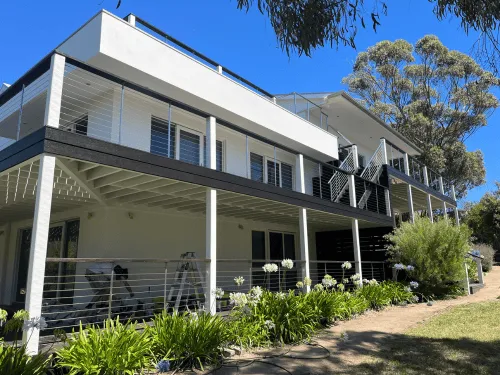
A weathered facade tells on a property fast. Faded paint, peeling trim and patchy surfaces can make an otherwise solid home look tired, and in Melbourne’s conditions, that wear is rarely just cosmetic. Exterior house painting does more than freshen up the look of a home. It helps protect timber, render and other exposed surfaces from moisture, sun and day-to-day deterioration.
For homeowners, it is often a balance between appearance, timing and budget. For property managers, it is also about reducing future maintenance and keeping the asset presentable for tenants or buyers. The right paint job can do both, but only when the preparation, product selection and application are handled properly.
Why exterior house painting matters
Most people notice the visual change first. A clean, well-painted exterior improves street appeal immediately and can make an older home look well cared for again. That matters if you are planning to sell, lease or simply want the property to reflect the standard you keep inside.
The bigger value, though, is protection. Paint acts as a barrier between the building surface and the elements. On timber, that barrier helps reduce moisture absorption, swelling and early breakdown. On render and masonry, it helps shield the surface from weather exposure and can slow down the visible signs of ageing.
This is where many owners underestimate the job. Exterior painting is not just a decorative update. It is part of the maintenance cycle of the property. Delay it too long and the work often grows from painting into repairs, surface treatment and replacement of damaged sections.
What affects the lifespan of an exterior paint job?
No exterior paint job lasts forever, and there is no single timeline that suits every home. The lifespan depends on the surface, the quality of the previous work, the paint system used and the amount of exposure the building gets.
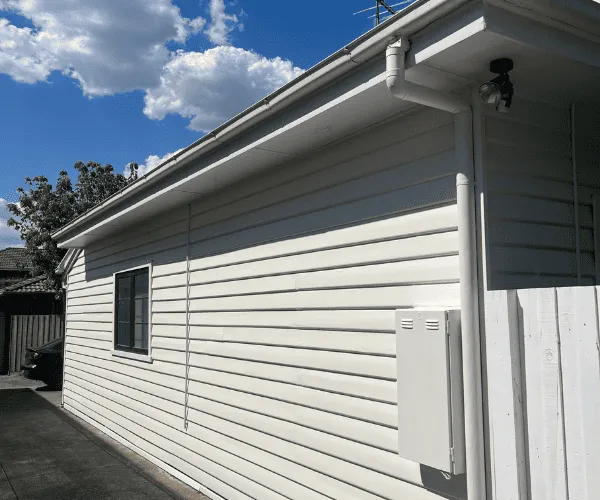
Homes with long hours of direct sun, strong weather exposure or older timber features generally show wear sooner. Areas around windows, fascia boards, eaves and entry points often deteriorate first because they take more direct stress from movement and moisture. A modern finish on a well-prepared surface may hold up for years, while a rushed job on unstable paint can start failing much earlier.
That is why inspection matters before quoting or scheduling works. If peeling, chalking or cracking is already widespread, simply applying a fresh coat over the top will not deliver a lasting result.
Exterior house painting starts with preparation
Preparation is where a good job is won or lost. It is also the part clients do not always see, which is why it can be tempting to compare quotes on price alone. But the difference between a finish that lasts and one that starts to fail early usually comes back to the work done before the paint goes on.
Surfaces need to be cleaned, loose or flaking paint removed, and damaged areas repaired. Gaps may need sealing, timber may need sanding, and bare sections often require the right primer before top coats are applied. If there are carpentry issues, plaster damage in exterior sections or other repair needs, those should be addressed first.
Skipping these steps can save time upfront, but it rarely saves money. Paint only adheres as well as the surface beneath it allows. If the substrate is unstable, dirty or damp, the finish is already compromised.
Common issues that need attention first
Older homes and weather-exposed properties often present more than one problem at once. Hairline cracks in render, swelling timber, mould-prone areas, rust marks or water staining all need to be assessed before painting begins. Some are straightforward to repair. Others point to an underlying maintenance issue that should be resolved before any coating work starts.
This is one reason many clients prefer a full-service contractor. When repairs and painting can be planned together, the job tends to run more efficiently and the final result is more reliable.
Choosing the right colours and finishes
Colour selection matters, but not only for style. Exterior colours affect how a property sits in its surroundings, how modern or traditional it feels, and even how much heat certain surfaces absorb. Lighter colours can help soften a large facade and show less fading over time. Darker tones can look sharp and contemporary but may highlight imperfections more easily on uneven surfaces.
Trim colours, gutters, doors and feature elements also need to work together. Too many competing tones can make a home feel busy, while a simple palette usually gives a cleaner, more durable look. For investment properties and commercial-facing homes, practical colour choices often make more sense than highly personal ones.
Finish is part of the decision too. Some exterior paints offer a flatter look, while others provide a slight sheen that can improve washability and visual sharpness. The right option depends on the substrate, the desired look and how much maintenance the owner wants over time.
Timing the job properly
Exterior painting is affected by weather more than most people realise. Rain, excessive wind, cold conditions or strong heat can all interfere with drying and curing. That does not mean the work can only happen in one season, but it does mean planning matters.
A professional team will schedule around conditions and stage the works accordingly. Rushing to paint in poor weather can affect adhesion, finish quality and long-term performance. On the other hand, waiting too long when surfaces are already exposed and failing can lead to bigger repair costs.
For many property owners, the best time to book is before the exterior reaches obvious decline. If paint is fading, minor peeling has appeared, or timber trim is beginning to look dry and worn, it is worth arranging an assessment rather than waiting for widespread failure.
DIY versus professional exterior painting
Some smaller touch-ups can be handled by handy owners, but full exterior house painting is usually more complex than it first appears. Height access, surface preparation, repair work, product compatibility and weather timing all affect the outcome. So does consistency. Large wall areas, trims, eaves and detailed sections need a uniform finish to look right from the street.
There is also the question of efficiency. A professional crew can usually complete the work faster, safer and to a higher standard, especially when repairs are involved. For busy homeowners and property managers, that matters. The job gets done with less disruption and fewer surprises.
Cost is often the reason people consider doing it themselves, and that is fair. But when tools, materials, access equipment, time and the risk of rework are factored in, DIY does not always come out cheaper.
What to expect from a professional quote
A proper quote for exterior house painting should reflect the condition of the property, the amount of preparation required, the surfaces to be painted and the product system proposed. It should not be a rough figure based only on square metres and a quick coat count.
If one quote is much lower than another, it is worth asking what has been allowed for surface prep, repairs and the number of coats. Two prices can look similar on paper while covering very different scopes of work. Clear communication upfront helps avoid disputes later and gives the owner a better understanding of the value behind the price.
For larger homes, multi-surface projects or properties needing maintenance work, a site inspection is usually the only sensible way to quote accurately.
A better result comes from looking at the whole exterior
The strongest painting outcomes usually come from treating the exterior as a whole, not as isolated walls and trims. Fascias, eaves, windows, doors, fences, weatherboards, rendered sections and feature details all contribute to the final appearance. If one part is refreshed and the surrounding surfaces are left tired, the improvement can feel incomplete.
That does not always mean every external surface needs painting at once. Budget and priorities matter. But it does mean the work should be planned with the full property in mind so the finished result feels consistent and the maintenance schedule stays manageable.
For homeowners, that can mean better value over time. For property managers, it often means fewer reactive repairs and a cleaner presentation across the asset. That practical approach is a big part of how experienced teams deliver lasting value, not just a fresh coat.
If your exterior is starting to show its age, the best next step is not guessing how long it will hold up. It is getting clear advice on the condition of the surfaces, what preparation is needed and what will give you a finish that looks good and lasts.