Commercial Repainting vs Replacement Costs

Commercial Repainting vs Replacement Costs

Commercial repainting vs replacement comes down to surface condition, budget and disruption. See how Melbourne property managers can make the right call.

A faded shopfront, marked office walls or weathered external cladding can quickly make an otherwise well-run property look neglected. The decision around commercial repainting vs replacement is not simply about choosing the lowest upfront cost. It is about understanding what sits beneath the finish, how long the result needs to last, and how much disruption your business or tenants can reasonably manage.

For many commercial properties, a properly planned repaint is the practical answer. For others, painting over a failing substrate only delays a more significant repair. The right call comes from a close assessment of the surface, the building’s use and the cost of doing the job twice.

Start With the Condition Beneath the Paint

Paint protects and improves a surface, but it cannot fix every underlying issue. Before approving a painting scope, inspect the condition of the walls, timber, metalwork, render or cladding itself.

Sound surfaces with cosmetic wear are usually strong candidates for repainting. This may include scuffed internal walls, sun-faded façades, dated colours, minor cracking in coatings or metal elements showing early signs of surface corrosion. Thorough preparation, localised repairs, correct primers and a commercial-grade coating system can give these areas a clean, durable finish.

The conversation changes when there is extensive water damage, widespread timber deterioration, severe corrosion, loose render, compromised plasterboard or movement that keeps reopening cracks. In these cases, the material may need substantial repair work or renewal before painting can deliver a result worth paying for.

A professional inspection should separate cosmetic concerns from structural or substrate concerns. That distinction protects your budget. It also prevents a fresh coat of paint from becoming a short-term cover for a growing maintenance problem.

Commercial Repainting vs Replacement: Compare the Real Costs

The upfront price of repainting is usually lower than installing new materials. It generally requires less demolition, fewer trades and a shorter programme. For offices, retail sites, strata properties and industrial facilities, that can mean a faster return to normal operations.

However, the lowest quote is not always the lowest cost over time. If the underlying surface is unstable, repeated repairs and repainting can become more expensive than addressing the cause properly. A property manager should consider the total cost over the expected life of the solution, not just the first invoice.

When comparing options, include the cost of preparation, access equipment, repair work, waste removal, site protection and business interruption. A repaint may be completed in stages outside trading hours, while more extensive renewal work can affect access, noise levels and tenant comfort for longer.

There is also the value of certainty. A well-specified paint system over a sound surface gives you a clear maintenance cycle. Where materials are at the end of their useful life, more substantial work may offer better long-term predictability, particularly on exposed external elevations.

When Repainting Is Usually the Better Option

Repainting is often the sensible choice when the building fabric is fundamentally sound and the main goal is to improve presentation, protect the surface or bring the property in line with current branding.

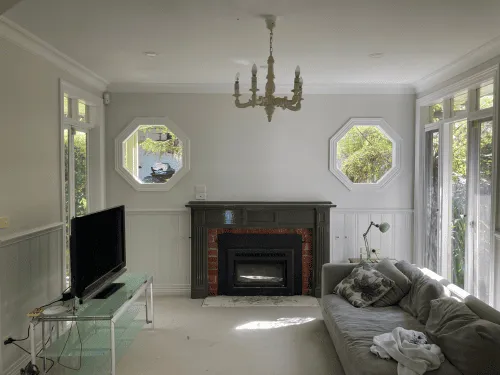
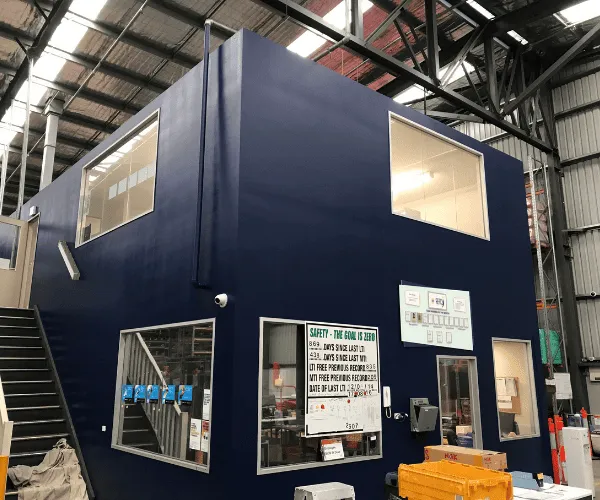
For commercial interiors, new paint can refresh reception areas, corridors, tenancy spaces, meeting rooms and amenities with comparatively little disruption. It is also a practical way to prepare a premises between tenants, improve a workplace before client visits or update colours after a fit-out change.

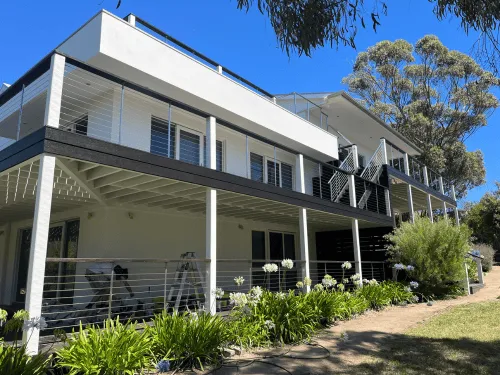
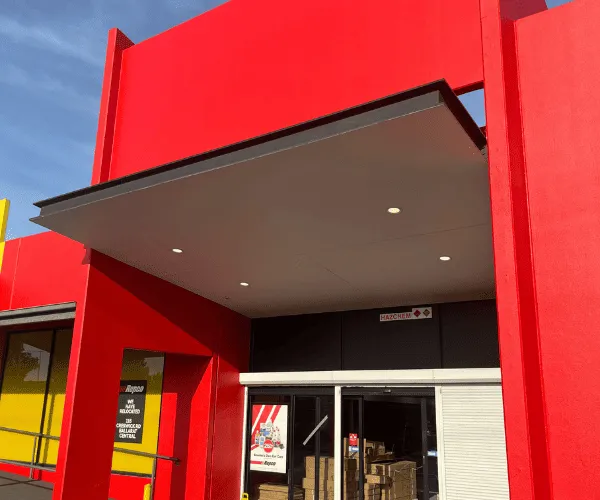
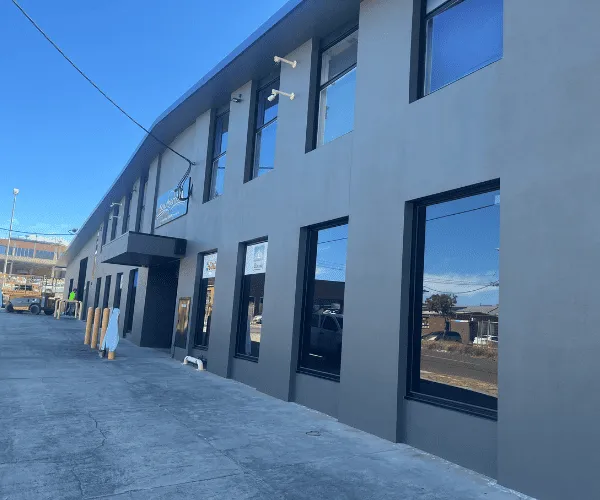
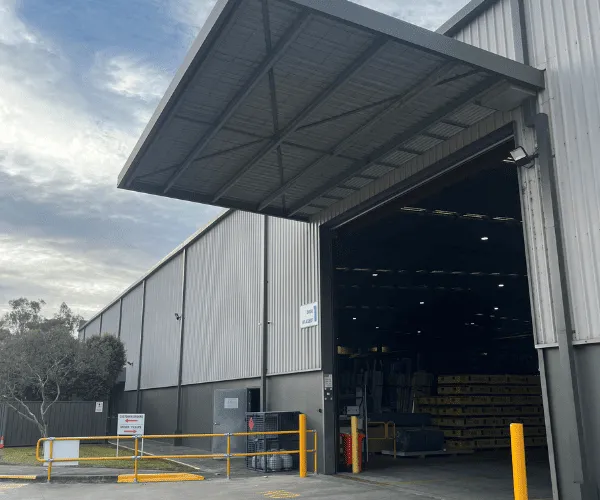
Externally, a quality repaint can protect timber, steel, masonry and rendered surfaces from Melbourne’s changing weather. Strong preparation matters here. Cleaning, sanding, treating corrosion, filling appropriate defects, priming and using the right coating for the exposure are what allow the finish to perform.

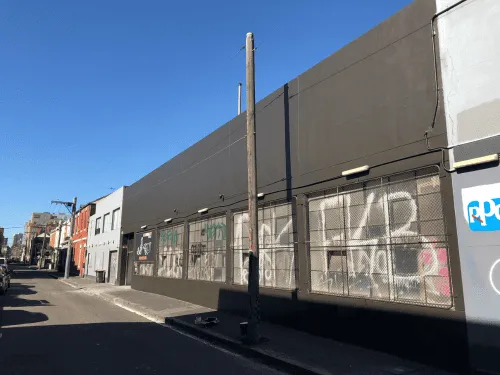
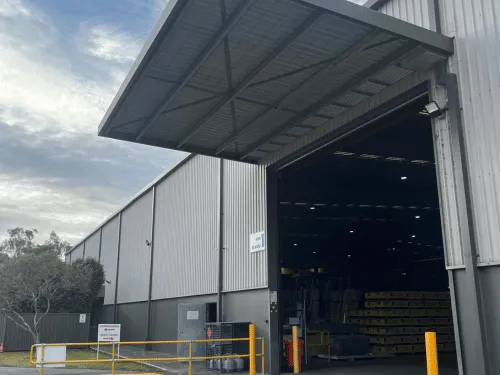
Repainting may also be the better option where consistency matters. A large warehouse, office complex or retail strip can look significantly more professional when colours, gloss levels and finishes are brought back into line. That visual consistency supports tenant appeal, customer confidence and asset value.

When a Bigger Scope Makes More Sense

There are times when paint should be the final step, not the first one. If moisture is entering through damaged building elements, for example, the source of water must be addressed before coating the affected area. Otherwise, the same issue is likely to show again.

The same applies to decayed timber, heavily corroded steel, unstable plaster or damaged cladding. Painting these areas without suitable repair work can create a tidy appearance for a short period, but it does not restore the material’s function.

High-traffic commercial sites deserve particular attention. Bollard zones, loading areas, stairwells, school corridors, factory walls and public-facing entrances receive more wear than a standard office. Sometimes a tougher coating system is enough. In other situations, durable wall protection, carpentry repairs or new surface materials are a more practical investment.

Heritage-style buildings and older Melbourne commercial properties also need careful assessment. Matching existing details, managing moisture and preserving original materials can affect the scope. A painter who understands preparation and repair work can help identify where paint is appropriate and where a specialist trade should be involved first.

Consider Disruption Alongside Budget

Commercial work needs to fit around people. A great finish is of limited value if the project unnecessarily interrupts trading, blocks tenant access or creates avoidable safety issues.

Repainting can often be planned in sections. Internal work may be scheduled after hours, on weekends or during quieter operating periods. External work can be staged around entry points, parking access and deliveries. Good communication with staff, tenants and customers keeps the site safer and reduces frustration.

More extensive material renewal generally needs a longer programme and greater site controls. There may be noise, dust, restricted access and other trades working at the same time. That does not automatically make it the wrong option. It simply means the planning needs to be more detailed, with realistic allowances for downtime and contingency.

Ask your contractor how they will protect floors, furniture, stock, landscaping and public areas. Confirm how access equipment will be managed, what areas will be unavailable each day, and how the team will communicate changes to the programme. Reliable project management is part of protecting your business, not an optional extra.

Make Maintenance Part of the Decision

The best time to assess a commercial paint job is before the surface looks tired. Regular inspections identify minor issues while they are still straightforward to manage. This gives property owners more control over timing, budget and colour planning.

A maintenance approach is especially useful for multi-site businesses, body corporates, schools, medical practices and industrial facilities. Rather than waiting for several areas to deteriorate at once, work can be scheduled by priority. Public-facing elevations, water-exposed areas and high-contact interiors can be addressed first.

Keep records of previous coatings, colours, repair locations and completion dates. This information makes future decisions faster and helps painters specify compatible products. It also avoids unnecessary full-scale work where targeted maintenance will do the job well.

Questions to Ask Before You Approve the Work

A clear scope should explain what is being painted, what preparation is included and which repairs are needed before coatings are applied. If the quote only describes paint colours and square metres, ask for more detail.

You should also ask how long the proposed system is expected to perform in that location, particularly on exposed exterior surfaces. Find out whether the recommendation is based on the actual condition of the substrate or simply on a visual inspection from ground level.

For occupied properties, confirm the staging plan, working hours, safety measures and clean-up process. A professional commercial painter will be able to explain these details plainly and provide a realistic programme rather than promising an unrealistic turnaround.

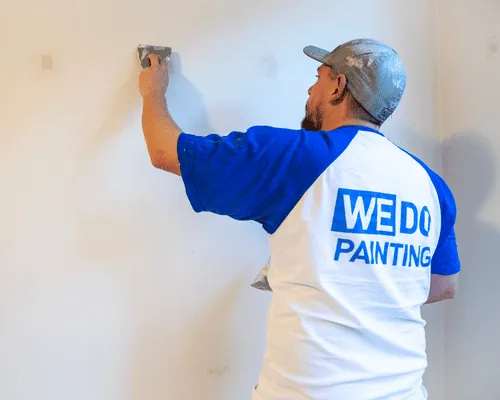
At WE DO Painting, the focus is on practical advice, careful preparation and a finish that suits the condition of the property. Sometimes that means a straightforward repaint. Sometimes it means arranging repairs first so the painting work has a sound foundation.

A commercial property does not need a major overhaul every time its appearance starts to date. But it does need an honest assessment. Choose the option that protects the surface, works with your operations and gives your property a result you can rely on well after the painters have packed up.