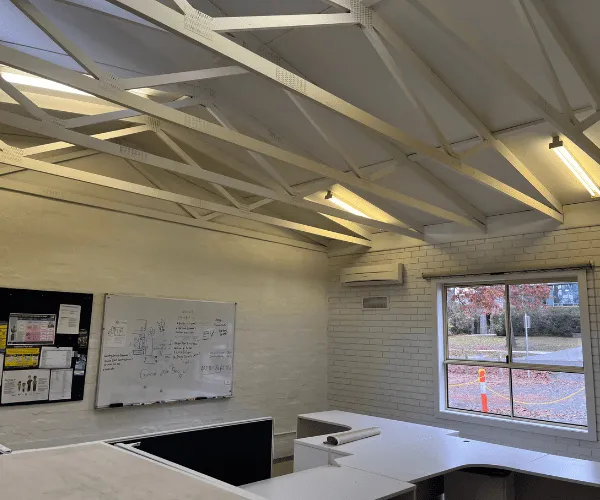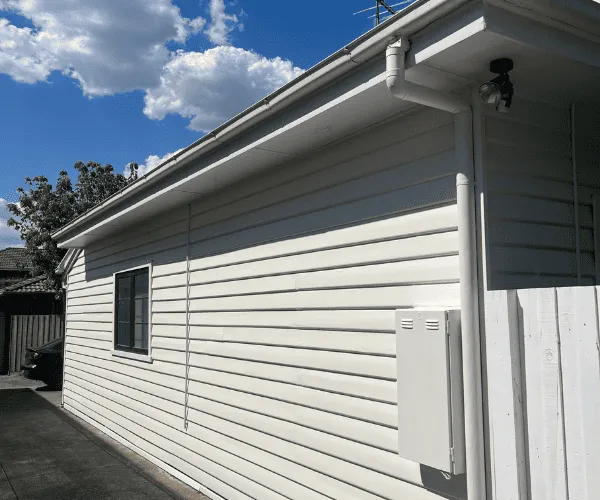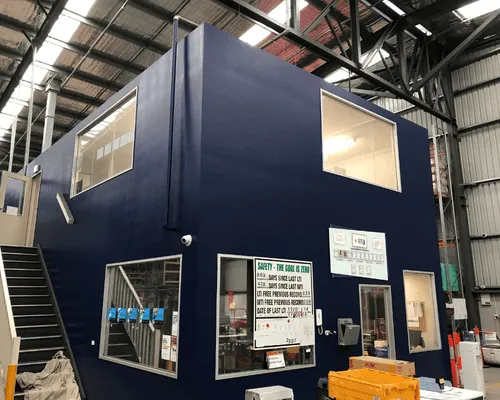
A faded office frontage, marked internal walls or tired common areas do more than make a property look older. They can affect how tenants, customers and staff view the space from the moment they walk in. This commercial property repainting guide is built for owners, managers and business operators who need the job done properly, with minimal disruption and a result that holds up.
Why repainting a commercial property needs a plan
Commercial repainting is not the same as painting a house. There are more people using the building, more surfaces taking daily wear, and usually tighter expectations around access, safety and trading hours. A rushed job can create unnecessary downtime, inconvenience tenants and leave you redoing work sooner than expected.
A proper plan starts with the purpose of the repaint. Sometimes the priority is presentation – lifting a retail shopfront, refreshing a reception area or improving the look of a strata building. Other times it is about maintenance – protecting external surfaces, updating high-traffic interiors or pairing painting works with repairs so the whole property is looked after in one project.
That is where many owners save time and money in the long run. If patching, plaster repairs, timber work or minor carpentry are needed, it often makes sense to handle them before the new coating goes on. A better finish starts well before the first coat.
What to assess before you request a quote
Before you lock in pricing, walk through the site with a practical eye. Look at the overall condition, not just the areas most visible to the public. Entry points, corridors, stairwells, amenities, warehouse walls, ceilings and external trim all age differently depending on use and exposure.
Think about who uses the building and when. An office with weekday traffic has different needs from a medical practice, school, retail tenancy or industrial site. The right repainting plan depends on access, operating hours, surface type and the level of durability required.
It also helps to be clear about scope. Are you repainting a full building, selected tenancies, common areas or only the exterior? Are you after a visual refresh in the same colour scheme, or a broader update to suit a rebrand, new tenant or asset improvement plan? Clear answers make quotes more accurate and help avoid changes once work has started.
The surfaces matter more than many people expect
Not every surface should be treated the same way. Plasterboard, masonry, timber, metal cladding and previously painted surfaces all require different preparation and coating systems. In commercial settings, the wrong product choice tends to show up quickly because the building is used harder than a standard home.
Washability, scuff resistance and finish level all matter. In some spaces, a low-sheen finish gives a clean professional look while being easier to maintain than flat paint. In others, harder-wearing systems are a better fit because walls are regularly bumped by trolleys, stock or equipment. There is no one-size-fits-all option. A good contractor should explain where it makes sense to spend more and where it does not.
Budgeting without cutting the wrong corners
Budget matters on every commercial job, but cheaper upfront does not always mean better value. If the preparation is light, the coating system is not suited to the site, or access planning is poor, the property can start looking tired again much sooner than it should.
The more useful way to look at cost is across the life of the repaint. A finish that lasts longer, cleans more easily and needs less frequent touch-up work can be the smarter choice, especially in busy properties. The same goes for combining painting with repair works during one mobilisation rather than splitting trades across different stages.
When reviewing quotes, make sure you are comparing like for like. Ask what preparation is included, how many coats are allowed for, whether protection of floors and furnishings is covered, and what happens if extra repairs are found once work begins. A detailed quote is not about making things sound complicated. It is about reducing grey areas.
Timing the work to reduce disruption
One of the biggest concerns in any commercial property repainting guide is disruption. Property owners and managers do not just want a good finish. They want the work completed in a way that protects business operations, tenant relationships and safety.
That usually means scheduling around the property, not forcing the property to fit the painter’s timetable. After-hours work, weekend works, staged access and section-by-section delivery can all help, depending on the site. For some buildings, external works are straightforward while interior works need careful programming. For others, common areas can be tackled during the day but tenant spaces require tighter coordination.
Weather also plays a part in exterior repainting. In Melbourne, conditions can shift quickly, so timing needs some flexibility. A professional team should account for this in the programme rather than promising unrealistic dates that create pressure later.
Communication is part of the job
On commercial sites, clear communication is not a bonus. It is part of the service. Tenants, staff, customers and building users need to know what is happening, when access may be affected and what measures are in place to keep the site tidy and safe.
The smoother jobs are usually the ones where expectations are set early. That includes site contact details, work zones, noise timing, furniture movement, drying times and any restricted areas. Good communication helps avoid complaints and keeps the project moving.
Choosing colours and finishes that work commercially
Commercial colour selection should be practical first and stylish second. That does not mean boring. It means choosing colours that support the purpose of the space and still look professional six months down the track.
For offices and common areas, neutral schemes are often the safest choice because they suit more tenants and work well with changing furniture and signage. Retail spaces may need stronger brand alignment. Industrial properties usually benefit from finishes that prioritise clarity, cleanliness and durability over visual trends.
It is also worth thinking about maintenance. Very light colours can mark easily in high-traffic areas, while very dark colours can show dust, rub marks and surface imperfections more readily. The best result is often a balanced palette that looks sharp without creating unnecessary upkeep.
Why preparation drives the final result
Most people notice the finished colour, but the long-term result comes from the preparation underneath. Commercial walls and exteriors often carry years of wear, patching, grime and minor damage. If those issues are not addressed properly, the new paint may highlight them rather than improve them.
Preparation can include cleaning, sanding, patching, caulking, priming and making surface repairs before coatings are applied. The exact process depends on the condition of the building and the material being painted. This is one area where experience really counts. Knowing how much preparation is needed – and where – helps avoid over-servicing one area and under-preparing another.
For owners managing multiple assets, consistency matters too. A contractor who can handle painting as well as associated repair works can simplify the whole process. It reduces the back-and-forth between trades and helps keep accountability clear.
How to choose the right contractor
A commercial repaint is easier to manage when the contractor understands more than paint. They should understand access, sequencing, presentation, safety and the reality of working around active businesses.
Look for a team that asks practical questions, provides a clear scope and explains how they will deliver the work. Fast quoting is useful, but not if the detail is thin. Reliability shows up in the planning as much as the finish.
It also helps to work with a contractor who can adapt to different property types. Offices, retail sites, apartment common areas and industrial facilities all have different challenges. A painter who only thinks in residential terms may miss the pressures that come with commercial timelines and usage.
For Melbourne property owners and managers, local knowledge can make coordination easier as well, especially when staging works across busy suburbs and active sites.
Using this commercial property repainting guide to plan ahead
The best time to plan a repaint is before the property starts looking worn out. A scheduled approach gives you more control over timing, tenant communication and budget. It also means you can group repainting with maintenance works rather than reacting under pressure.
If you manage several sites, keeping records of previous colours, product types and repainting dates will make future planning easier. That small bit of organisation can save a lot of time when touch-ups, tenancy changes or larger updates come around.
A commercial repaint should do more than freshen up a building for a few months. Done properly, it improves presentation, supports maintenance and helps the property perform better over time. The right contractor will make that process straightforward, not stressful.
If your building is starting to look tired, the smart move is to assess it early, define the scope clearly and get advice that matches the way the property is actually used. That is usually where a better result starts.