A commercial paint job now has to do more than make a space look fresh. It needs to support daily operations, stand up to heavy use, present the right image to customers and tenants, and be completed with minimal disruption. That is why the commercial painting trends 2026 conversation is less about chasing a single fashionable colour and more about making practical, long-term decisions.
For Melbourne business owners, property managers and facility operators, the best result is one that looks professional on day one and continues to perform through busy trading periods, changing tenants and regular maintenance demands.
Commercial Painting Trends 2026: Performance Comes First
The strongest trend for 2026 is a move towards paint systems chosen for the specific demands of a building, not just the look of a colour card. Commercial interiors and exteriors face very different conditions. A retail entry, medical reception, apartment common area, warehouse floor and office kitchen all require their own approach.
High-touch areas are increasingly being specified with washable, durable finishes that can cope with frequent cleaning. In busy corridors, stairwells and shared amenities, a quality low-sheen or semi-gloss finish can make ongoing upkeep easier while still looking refined. The right choice depends on the wall condition, available light, cleaning routine and level of traffic.
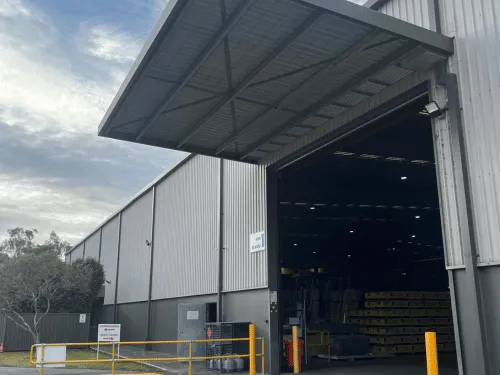
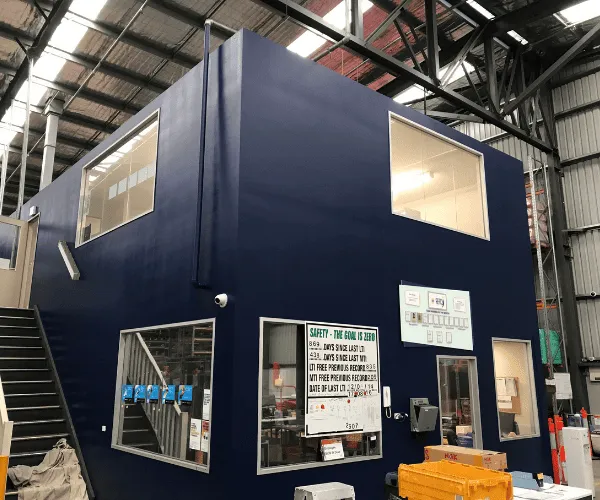
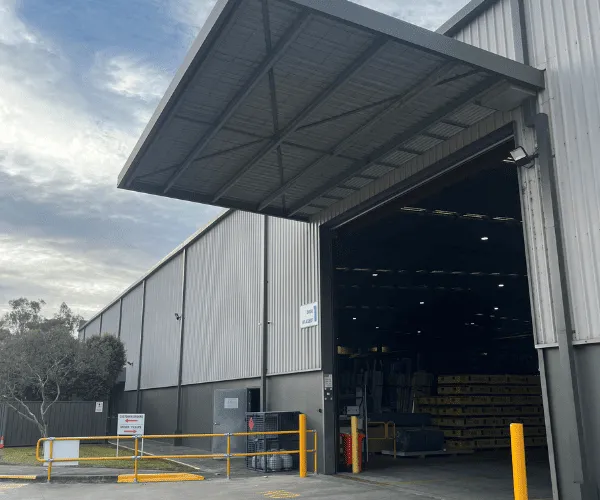
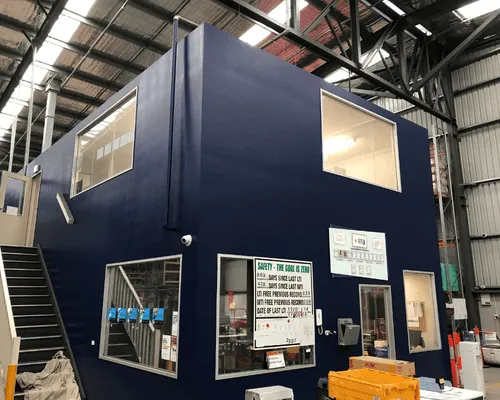
Industrial and service environments are also placing greater value on coatings that protect concrete, steel and other hard-working surfaces. These jobs need proper preparation before painting begins. Cleaning, surface repairs, patching and priming are not optional extras. They are what give a coating system the best chance of lasting well.
A lower upfront price can be appealing, particularly across a large site. However, a paint system that marks easily or does not suit the substrate can create more maintenance work sooner than expected. Good commercial painting balances the initial budget with the expected service life of the finish.
Warmer Neutrals With Purposeful Contrast
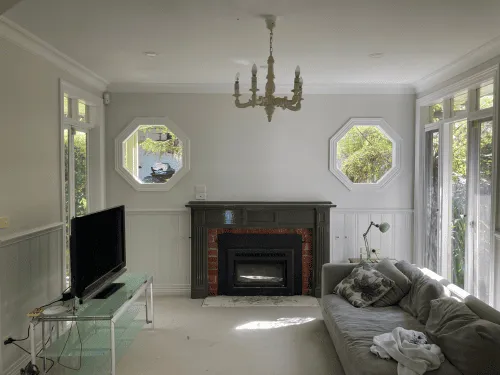
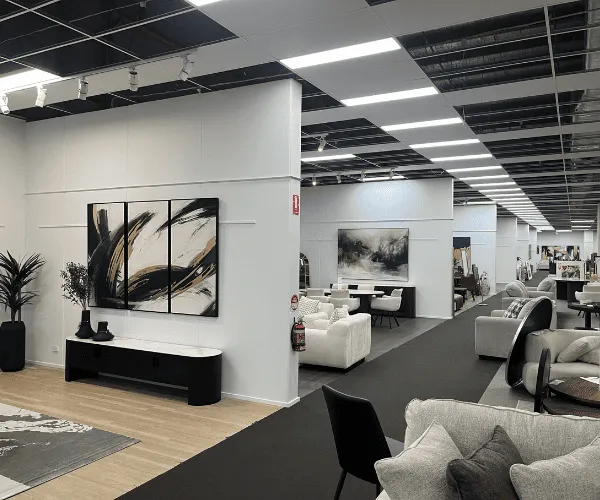
Cool grey schemes have had a long run in commercial spaces. In 2026, many businesses are moving towards warmer, more welcoming neutrals. Think soft stone, warm whites, muted sand, clay-based tones and gentle greige. These colours can make offices, hospitality venues and common areas feel less stark without becoming difficult to live with.
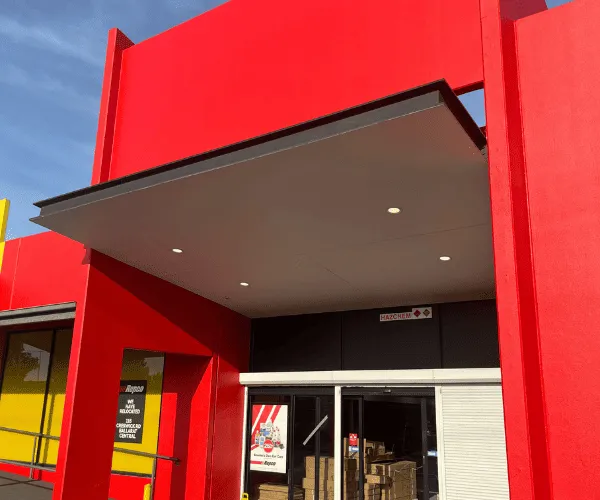
That does not mean every commercial site should become beige. Strong contrast is still playing an important role, particularly in reception areas, retail displays and branded workspaces. Deep charcoal, forest green, navy, terracotta and earthy red-brown accents are being used to frame entries, create feature walls and define different zones.
The practical approach is to keep the largest wall areas adaptable, then use feature colours where they can be updated more easily in future. This protects flexibility for landlords and tenants while giving a space a clear identity now.
For businesses with established branding, painting can help make the premises feel more consistent without covering every wall in a logo colour. A considered accent behind a reception desk, around a display area or at a main entry can be enough. Colour should guide the customer experience, not overwhelm it.
Colour Zoning Makes Large Spaces Easier to Use
Colour zoning is becoming more common in offices, education settings, warehouses and multi-level apartment buildings. Rather than relying solely on signs, paint can help distinguish departments, levels, meeting areas, loading zones or public-facing spaces.
The key is restraint. Too many colours can make a workplace feel cluttered and harder to maintain. A simple palette with one base colour, one secondary colour and carefully selected accents is usually more effective. It also makes future touch-ups and staged maintenance easier to manage.
Low-VOC Products and Better Indoor Environments
Property decision-makers are paying closer attention to indoor air quality, particularly where people work, shop, receive care or live. Low-VOC paint products continue to be a sensible option for commercial interiors because they help reduce odour during and after the project.
This is especially useful when work must be carried out around staff, customers or residents. A lower-odour product does not remove the need for planning, ventilation and safe work practices, but it can make a staged project more comfortable for everyone on site.
Sustainability in commercial painting is also becoming more practical. It is about selecting products fit for purpose, avoiding unnecessary waste, calculating quantities carefully and maintaining painted surfaces before small issues become larger repair jobs. Long-lasting work generally creates less disruption and less material use over the life of a building.
Painting Around Business Hours Is a Core Requirement
A good-looking finish is only part of a successful commercial project. In 2026, clients increasingly expect painters to work around trading hours, tenant access, deliveries and safety requirements. For many sites, the project schedule is as important as the paint specification.
After-hours work, weekend painting and staged areas can keep a business operating while improvements take place. An office may be completed floor by floor. A shop can have back-of-house areas painted first, followed by customer-facing sections outside peak times. In strata properties, common areas can be planned around resident movement and building access.
There are trade-offs. Out-of-hours work can affect project costs, and staging may extend the overall programme. However, the right plan can reduce lost trading time and avoid unnecessary inconvenience for staff, tenants and customers.
Clear communication is what makes this work. Before the job starts, everyone should understand access arrangements, protection measures, drying times, furniture movement and which areas will be unavailable at each stage. Reliable commercial painters do not leave these details until the day of the job.
Texture and Finish Are Being Used More Selectively
Flat, featureless walls are no longer the only option for professional commercial interiors. Subtle texture, limewash-style effects and specialised decorative finishes are appearing in boutique retail, hospitality venues, showrooms and high-end office spaces.
Used well, these finishes add depth and help a space feel considered. Used in the wrong location, they can be harder to repair or maintain. A textured feature wall may suit a quiet reception area, but a heavily used corridor may need a simpler, more durable finish.
Lighting also changes how colour and texture read. Natural light, LED temperatures, downlights and external glazing can all affect the final appearance. Testing a sample on the actual wall is worthwhile before committing to a large area, particularly with dark or heavily tinted colours.
Exterior Presentation Still Carries Weight
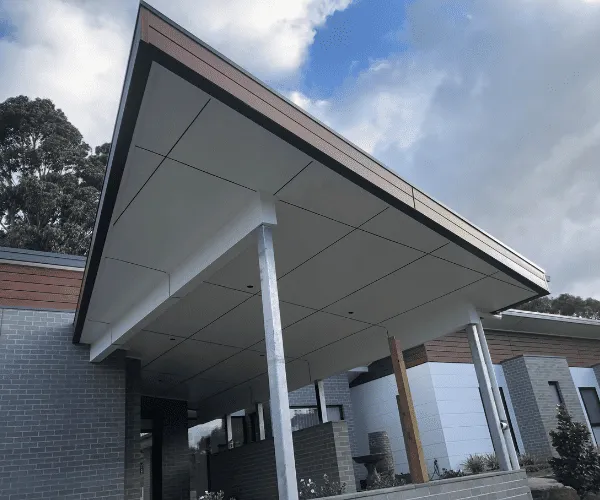
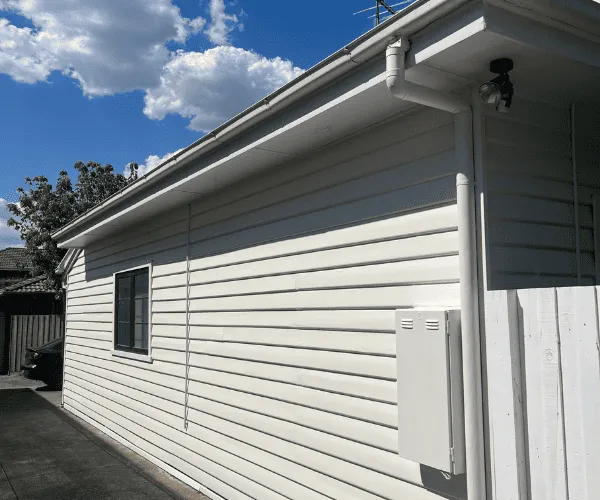
Customers often form an opinion of a business before they step through the door. Faded exterior paintwork, tired fascias, marked entrances and neglected boundary surfaces can affect how professional a site appears. This is why exterior maintenance is remaining a major priority for 2026.
For commercial exteriors, preparation matters as much as product selection. Surfaces may need washing, scraping, sanding, minor carpentry work, plaster repairs or treatment of damaged areas before painting can begin. Skipping these stages may save time at the start, but it can affect the appearance and durability of the finished work.
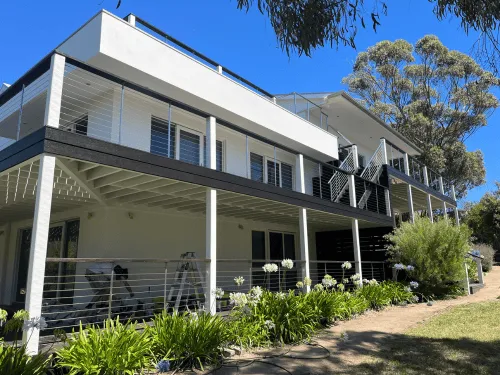
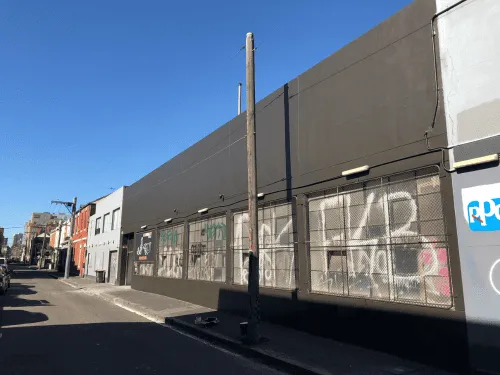
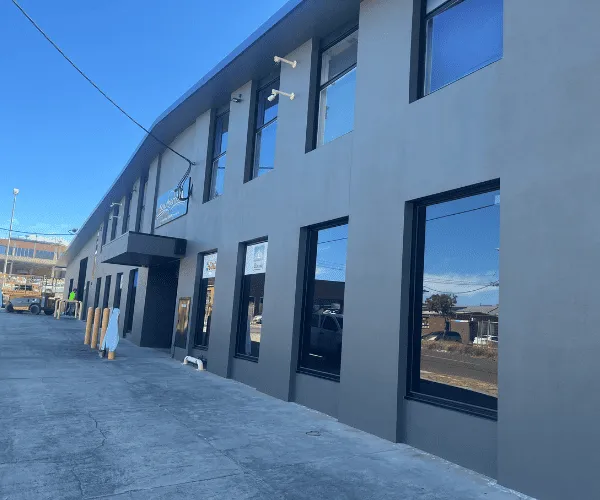
Exterior colours are also becoming more deliberate. Dark tones can look sharp and contemporary, but they may show dust more readily and absorb more heat on exposed surfaces. Light colours can help a building feel larger and cleaner, although they may need more frequent washing near busy roads or construction areas. The best choice depends on the building design, orientation, surrounding environment and maintenance plan.
Maintenance Programmes Are Replacing Reactive Jobs
One of the most valuable commercial painting trends for 2026 is not a style choice at all. It is the shift towards planned maintenance. Instead of waiting until an entire site looks worn, property managers are scheduling inspections, touch-ups and targeted repairs as part of regular asset care.
This approach helps keep common areas presentable, protects vulnerable surfaces and allows work to be spread across a manageable budget. It is particularly useful for strata buildings, retail portfolios, schools, offices and industrial facilities where appearance and safety both matter.
A maintenance programme should record the paint colours, finishes and previous work completed across the site. This makes future touch-ups more accurate and avoids the guesswork that can lead to inconsistent results. It also gives owners and managers a clearer picture of upcoming costs.
For Melbourne commercial properties, the smartest painting decision is rarely the loudest one. Choose colours that work for the people using the space, finishes that suit the level of wear, and a contractor who can plan the work around your operations. A well-managed project protects your property, supports your brand and keeps the site looking ready for business.