Commercial Painting Maintenance Guide

Commercial Painting Maintenance Guide

A commercial painting maintenance guide for owners and managers who want longer-lasting finishes, fewer repairs and less disruption to sites.

When a commercial building starts to look tired, the problem is rarely just the paint. Scuffs near entries, peeling around wet areas, faded façades and cracking on high-traffic walls usually point to a maintenance plan that has been left too long. A solid commercial painting maintenance guide helps business owners and property managers stay ahead of those issues before they become expensive repairs.

For commercial properties, paint does two jobs at once. It shapes how the property is seen by customers, tenants and staff, and it protects surfaces from wear, moisture, sunlight and day-to-day use. Leave maintenance too late and you are no longer dealing with touch-ups. You are dealing with plaster damage, timber deterioration, rust, surface failure and avoidable downtime.

Why a commercial painting maintenance guide matters

Commercial painting maintenance is about protecting the asset, not just improving appearance. Offices, retail spaces, warehouses, schools, medical settings and strata properties all have different demands, but they share one thing in common – painted surfaces cop a lot of punishment.

Inside, walls get marked by furniture, foot traffic, cleaning products and general use. Outside, UV exposure, rain, pollution and temperature swings steadily break coatings down. Even a high-quality paint system has a service life, and that life shortens fast if early signs of wear are ignored.

A good maintenance approach gives you more control over budget and timing. Instead of waiting for a full repaint under pressure, you can plan inspections, schedule minor works and keep the property presentable without major interruption. That matters for businesses that cannot afford messy works during trading hours, and for managers responsible for keeping tenants and stakeholders happy.

The signs your property needs attention

Some maintenance issues are obvious. Others are easy to miss until the damage spreads. Fading, chalking, flaking and peeling are clear warnings that the coating is no longer performing properly. Stains that keep returning can suggest moisture movement or poor surface sealing. Hairline cracking may be cosmetic, but wider cracks often point to substrate movement or failed preparation from an earlier job.

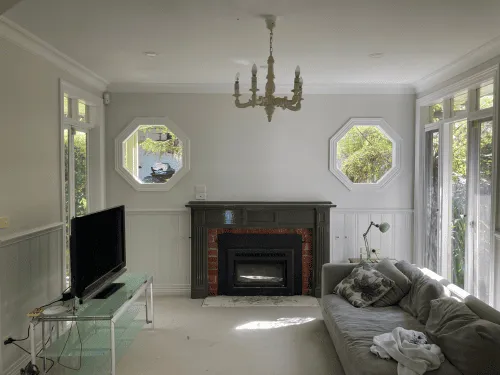
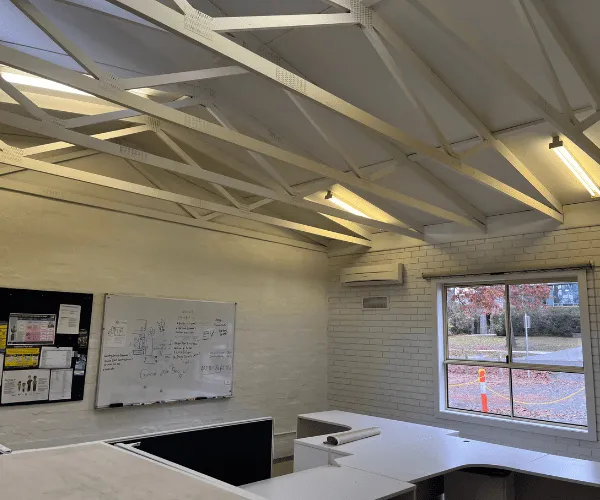
Inside commercial spaces, repeated scuffing in corridors, stairwells, receptions and common areas often means the wrong finish was used for the level of traffic. In kitchens, washrooms and service areas, bubbling or mould staining usually means moisture is getting where it should not. On exteriors, blistering, rust marks and timber breakdown are signs the problem extends beyond the paint film.

This is where experience counts. Not every mark needs a full repaint, but not every patch can be solved with a quick touch-up either. The right response depends on what is failing, why it is failing and how visible the area is.

How to build a practical maintenance schedule

The best commercial painting maintenance guide is one that suits the building, not a generic timeline. A retail shopfront exposed to sun and weather needs a different plan from an office suite or industrial facility. High-traffic interiors may need annual touch-ups, while low-use areas can often go longer.

As a practical baseline, inspect commercial interiors every 6 to 12 months and exteriors at least once a year. Older buildings, coastal sites and busy public-facing properties usually need more frequent checks. The goal is to pick up problems early, when repairs are still localised and affordable.

During each inspection, look at surface condition, not just colour. Check whether caulking has failed around windows and doors, whether moisture is affecting ceilings or walls, whether timber trim is opening up, and whether previous repair areas are still sound. Keep notes and photos so you can compare changes over time. That makes it easier to prioritise work instead of reacting to the loudest complaint.

High-priority areas to monitor

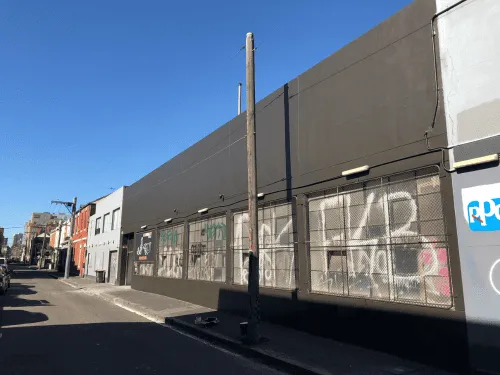
Entries, foyers, hallways, lift surrounds, amenities, kitchens, loading zones and external façades usually show wear first. These are the areas that shape first impressions and often take the most impact from people, weather or cleaning.

If you manage multiple properties, standardising inspections across all sites can save time and reduce surprises. It also helps with forecasting, especially when budgeting for end-of-financial-year works or planned tenant updates.

Preventive maintenance saves more than patch repairs

A lot of commercial painting costs come from what sits underneath the paint. If water gets into plaster, if timber starts breaking down, or if steel begins to rust, the painting component becomes only one part of the job. Surface repairs, access requirements and lost time quickly push the cost up.

Preventive maintenance keeps those costs down by dealing with problems while they are still small. Recoating exposed timber before it deteriorates is cheaper than replacing sections later. Treating rust spots early is simpler than dealing with widespread corrosion. Refreshing scuffed common areas can also extend the life of surrounding finishes, because cleaning crews and occupants are less likely to overwork damaged surfaces.

There is also a presentation benefit that should not be underestimated. In commercial settings, appearance influences confidence. Clients notice whether a reception area feels cared for. Staff notice whether their workplace looks maintained. Tenants notice when common areas are left to decline. Maintenance protects the building, but it also protects how the business is perceived.

Choosing the right paint system for maintenance work

Not all repainting products are equal, and maintenance work is where product selection matters most. A hard-wearing, washable finish may be the right call for corridors and break rooms. Low-sheen finishes can help reduce visible imperfections on broad wall areas, while semi-gloss or gloss coatings may suit trims and doors that need regular cleaning.

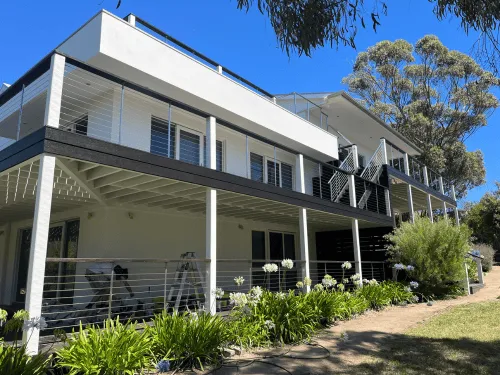
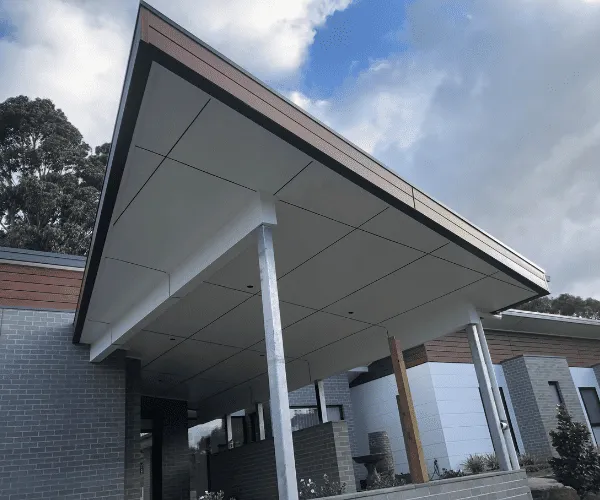
For exteriors, durability comes first. UV resistance, adhesion and moisture performance matter more than simply matching the old colour. In some cases, a full system upgrade is the smarter move if the original coating was not suited to the building exposure.

This is also where shortcuts can create repeat problems. Spot painting over a failed substrate without proper preparation usually leads to visible patchiness or early breakdown. Sometimes a local repair is appropriate. Sometimes the more cost-effective option is to repaint the full wall, elevation or section so the finish looks consistent and performs properly.

Why preparation still does the heavy lifting

Good maintenance painting is won before the topcoat goes on. Cleaning, sanding, patching, sealing and priming all affect the final result. If those steps are rushed, the finish may look acceptable for a short period but fail sooner than it should.

For commercial clients, that matters because repeat works mean repeat disruption. A dependable contractor will be upfront about when a surface needs more than a cosmetic fix, even if that means a larger scope now. It is often the cheaper option over the life of the property.

Minimising disruption during commercial painting maintenance

One of the biggest concerns for business owners and property managers is disruption. The good news is that maintenance works can usually be staged sensibly. After-hours scheduling, weekend work, section-by-section planning and clear site communication all make a difference.

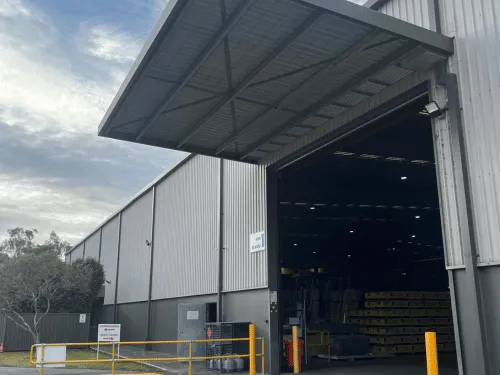
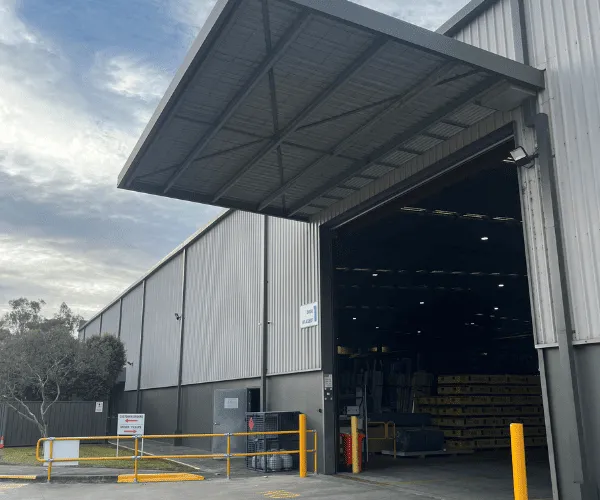
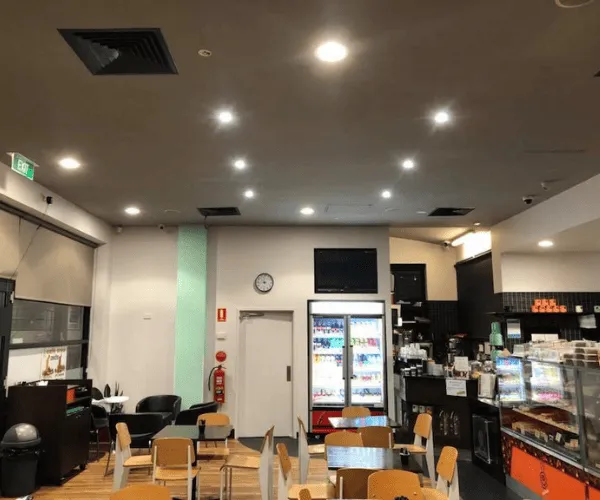
The key is to match the work method to the environment. Offices may need quiet, low-odour products and tight staging. Retail spaces may need works outside trading hours. Industrial sites may require coordination around safety procedures, access equipment or shutdown windows. There is no single formula, which is why planning matters as much as painting.

If the property is occupied, communication should be simple and early. Let tenants or staff know what is happening, where works will take place and how long each stage should run. Well-managed maintenance feels organised, not disruptive.

When to bring in a professional

A basic inspection checklist is useful, but commercial painting maintenance is not just about spotting ugly walls. It is about understanding coating failure, substrate condition and the sequence of repairs needed to get a lasting result. That is where a professional assessment pays off.

An experienced contractor can tell you whether the issue is cosmetic, environmental or structural in nature. They can also help separate urgent work from work that can be planned later, which is valuable when budgets are tight. For Melbourne properties dealing with variable weather, heavy use and ageing building stock, that practical advice can prevent a lot of wasted spending.

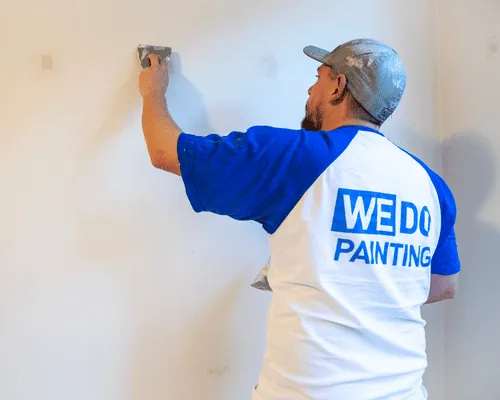
At WE DO Painting, that approach is simple – fix what needs fixing, protect what can be protected, and keep the finish looking right for longer.

A smarter way to think about repainting cycles

Not every commercial property needs a full repaint on a fixed schedule. Some buildings benefit more from ongoing targeted maintenance than from large, infrequent projects. Others, particularly high-visibility sites, need broader repainting at regular intervals to maintain brand presentation and asset value.

The smartest approach is usually a mix of both. Keep up with inspections and local repairs, then plan larger repainting works when multiple areas reach the same point in their life cycle. That gives you better consistency, fewer emergency jobs and a clearer maintenance budget.

If you treat paint as part of building upkeep rather than an occasional cosmetic job, the decisions get easier. You spend less time reacting, and more time protecting the property properly. That is usually the difference between a building that always looks one step behind and one that stays presentable, protected and easier to manage year after year.