Choosing Dulux Paint for a Lasting Finish

Choosing Dulux Paint for a Lasting Finish

Choose Dulux paint for your Melbourne property with practical advice on colour, finish and preparation for a durable, professional result that endures.

A paint job can look great on day one and still fall short if the product, finish and surface preparation do not suit the space. Dulux paint is a familiar choice for many Melbourne property owners, but the best result comes from choosing the right paint system for the room, surface and level of use – not simply selecting a colour from a swatch.

For homeowners, that means considering how a room is lived in. For businesses and property managers, it means balancing appearance, cleaning requirements, maintenance planning and downtime. A professional finish starts with practical decisions well before the first coat goes on.

Why Dulux paint is a practical choice

Dulux has a broad range of interior, exterior and specialist coatings, which makes it suitable for everything from a living room refresh to a high-traffic commercial corridor. The range of colours and finishes gives property owners flexibility, while the product options allow a painter to match the coating to the job.

That flexibility matters because there is no single paint that suits every surface. Walls in a busy family home need a finish that can handle regular cleaning. Exterior timber, masonry and metal each need products designed to protect them from weather exposure. A warehouse, office or retail space may need coatings that support a tidy, professional appearance while standing up to frequent use.

The brand is only one part of the decision. Preparation, correct primers, suitable application methods and enough drying time are what turn a quality product into a finish that performs well over time.

Start with the room and the surface

Before narrowing down colours, look closely at what is being painted and how the area is used. Interior plaster, timber trims, previously painted masonry, steelwork and concrete all have different requirements. A surface may need cleaning, sanding, patching, sealing or priming before top coats are applied.

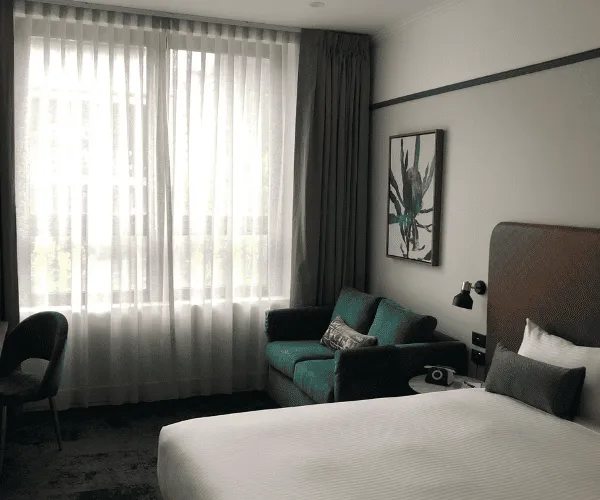
In a bedroom or low-use study, the focus may be colour, light reflection and a refined finish. In kitchens, hallways and children’s rooms, cleanability is often higher on the list. Bathrooms and laundries bring moisture into the equation, so suitable preparation and paint selection are especially important.

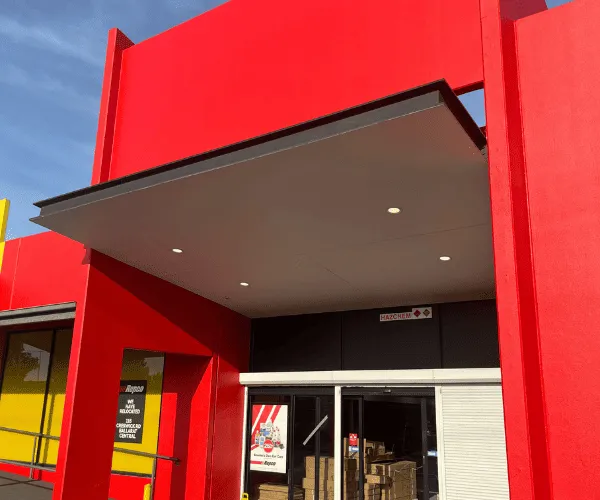
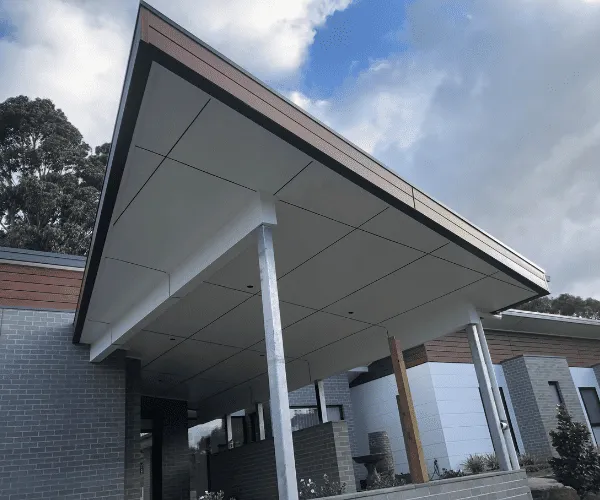
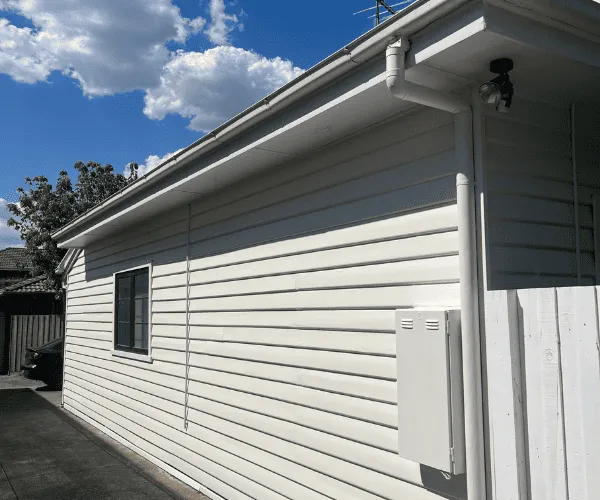
Exterior work deserves the same attention. Melbourne weather can move quickly between sun, rain and cool conditions, placing pressure on exposed surfaces. Fascias, eaves, weatherboards, fences and rendered walls face different levels of weathering. Choosing an exterior product suited to the material and checking the surface condition first helps protect the property as well as improve its appearance.

Preparation is where the job is won or lost

Painting over dirty, chalky, damaged or poorly prepared surfaces can compromise the final result, regardless of the paint chosen. Professional painters assess the substrate, carry out repairs where needed and create a sound base for the coating system.

This can include filling cracks and dents, repairing plaster, sanding rough areas, treating stains, washing external surfaces and applying an appropriate undercoat. It may sound like the slower part of the job, but it is what helps the top coat sit evenly and look consistent.

For commercial properties, this preparation stage also helps keep maintenance costs under control. Addressing small defects early can prevent a tired-looking area from becoming a larger repair project later.

Choosing the right Dulux paint finish

The finish affects both the look of a room and how practical it is to maintain. A flatter finish can soften the appearance of wall imperfections and give living spaces a calm, contemporary feel. Higher-sheen finishes reflect more light and can be easier to wipe down, although they can draw attention to uneven surfaces if the preparation is not up to standard.

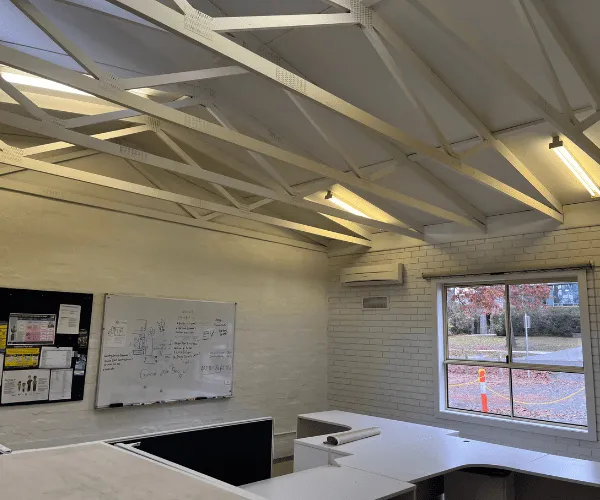
For interior walls, a washable low-sheen option is often a practical middle ground. It offers a subtle appearance while making everyday marks easier to manage. Ceilings generally suit a flatter finish to reduce glare. Doors, skirting boards and window trims often benefit from a more durable enamel-style coating, selected to suit the existing surface and desired look.

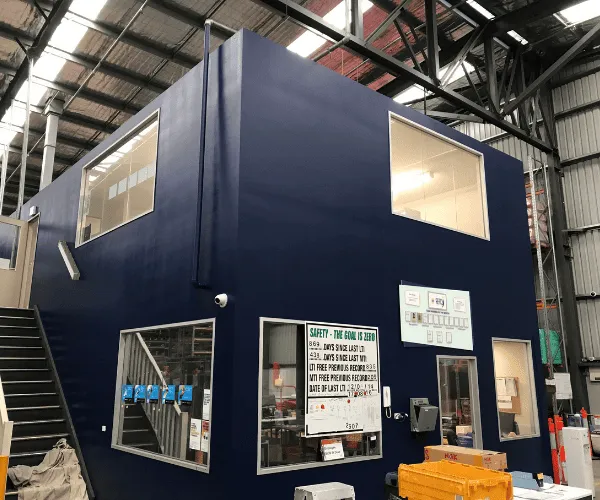
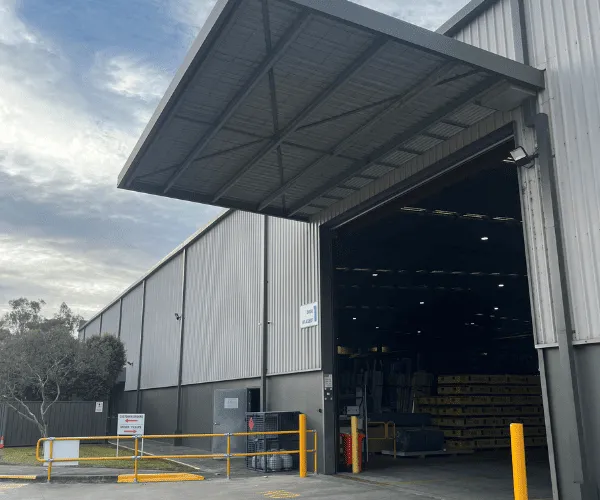
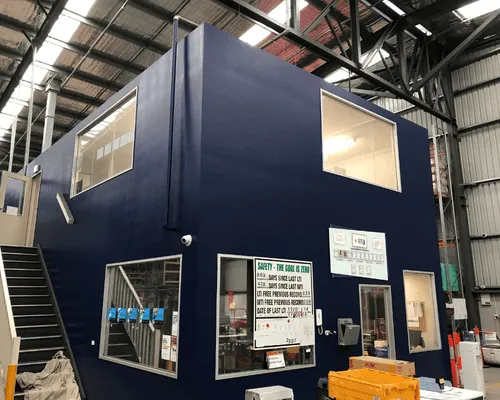
In commercial settings, the right finish depends on the environment. A reception area may call for a polished look that supports the business brand. A corridor, stairwell or tenancy with heavy foot traffic may need a finish chosen primarily for durability and cleaning. Industrial spaces can require more specialised coatings, especially where machinery, moisture, chemicals or safety requirements are involved.

A good painting contractor will explain the trade-off clearly. The most reflective finish is not always the best option, and the toughest coating may not be necessary in a quiet room. The right choice should fit the surface, the use of the area and the level of maintenance the owner is comfortable with.

Colour selection needs more than a small swatch

A colour card is a useful starting point, but it cannot show exactly how a colour will behave across an entire room. Natural light, artificial lighting, window direction, flooring, furnishings and surrounding colours all change the result.

Test samples on the actual wall where possible, then view them at different times of day. A warm neutral that looks balanced in morning light can appear quite different under evening lamps. This is particularly relevant in Melbourne homes where rooms may receive very different light depending on orientation and neighbouring buildings.

For a cohesive interior, consider how rooms connect. You do not need to use the same colour everywhere, but the transition between spaces should feel deliberate. A neutral base colour can work well through main living areas, with deeper or more individual colours used in bedrooms, studies, feature walls or entry spaces.

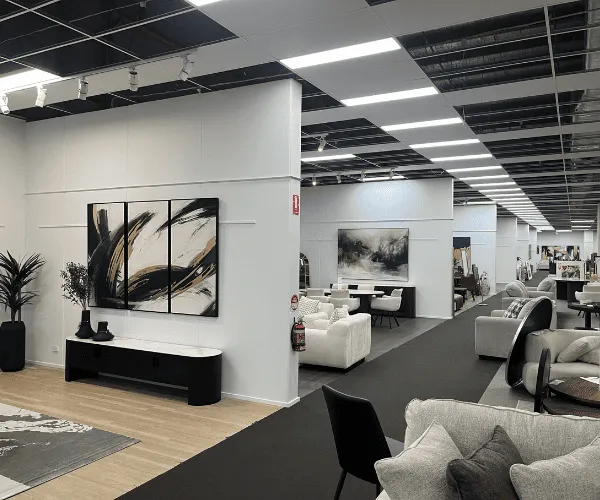
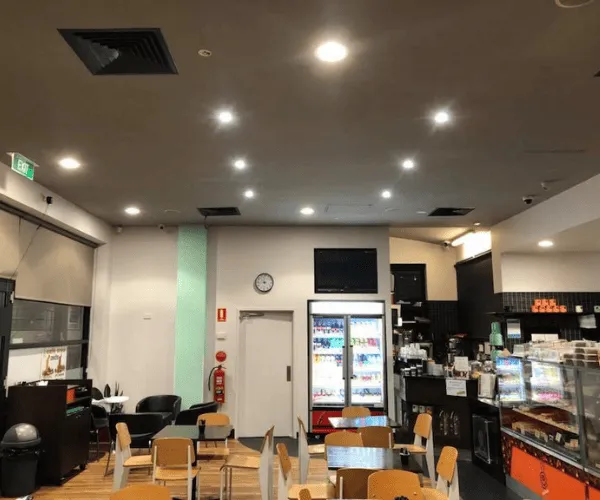
Businesses should also think about colour as part of the customer and staff experience. Retail, hospitality and office spaces benefit from colours that suit the brand without making the environment feel overly busy. In common areas of apartments and commercial buildings, a practical palette can help the property stay presentable between scheduled maintenance visits.

Application conditions still matter

Even quality Dulux paint needs suitable conditions to cure properly. Temperature, humidity, ventilation and drying times should all be managed according to the product requirements. Rushing coats or painting in poor external conditions can affect coverage, consistency and long-term performance.

This is one reason professional scheduling matters. Exterior work may need to be planned around the forecast, while occupied homes and businesses need a sequence that keeps disruption manageable. A reliable contractor will organise the work around access, drying time and the practical needs of the people using the property.

For commercial and industrial clients, planning can include staged work, out-of-hours painting or coordinating with other trades. The goal is straightforward: achieve a quality finish without creating unnecessary interruption to daily operations.

When professional advice makes the difference

Choosing paint can feel simple until a project involves repairs, multiple surfaces, high ceilings, external exposure or a property that needs to remain operational. That is when an experienced painter can save time and avoid costly guesswork.

At WE DO Painting, the approach is based on assessing the work properly before recommending a paint system. Whether it is an interior home update, exterior protection, a commercial refresh or ongoing maintenance, the job should be quoted clearly and completed with attention to the details that affect the finish.

Bring a few colour preferences and a clear idea of how the space needs to work. From there, the right Dulux paint, finish and preparation plan can turn a simple update into a result that continues to look professional long after the job is complete.