Can Painters Repair Plaster First?

Can Painters Repair Plaster First?

Can painters repair plaster first? Learn when painters can handle plaster repairs, what’s included, and when a specialist may still be needed.

A wall can look fine from across the room, then show every dent, crack and uneven patch the moment fresh paint goes on. That is why people often ask, can painters repair plaster first? In many cases, yes. A professional painting contractor can usually take care of plaster repairs before painting, and that is often the best way to get a clean, lasting finish.

The key point is this: painting and plaster repair are closely connected, but they are not always the same job. Some repairs are straightforward and sit comfortably within a painter’s scope. Others are more serious and need extra trade work before any paint goes near the surface. Knowing the difference helps you avoid delays, budget surprises and finishes that never quite look right.

Can painters repair plaster first before painting?

Yes, painters can often repair plaster first before painting, especially when the damage is minor to moderate. This can include filling cracks, patching holes, levelling uneven areas and preparing repaired sections so the final coat looks consistent. For homeowners and property managers, it is often more efficient to have one team handle both the repair and the painting rather than bringing in separate trades for a relatively small issue.

This approach also makes sense from a finish-quality point of view. Painters know exactly how the wall needs to be prepared for undercoats and topcoats, so they can repair with the final result in mind. A patch might look acceptable on its own, but if it has not been sanded, sealed and blended properly, it will stand out once painted.

That said, not every painter offers the same level of repair work. Some focus almost entirely on coatings, while others provide broader maintenance and surface repair services. It is worth asking what is included, how extensive the repair can be, and whether the person quoting has actually seen the damaged area.

What kind of plaster repairs can painters usually handle?

Most professional painters can manage common surface repairs that are part of proper paint preparation. Small holes from picture hooks, hairline cracking, localised dents, movement-related surface blemishes and patching after minor electrical or plumbing work are all typical examples. They can also skim and smooth repaired spots so the wall reads as one surface rather than a series of patched sections.

Ceilings are similar. If there are small cracks or old patch marks, a painter with repair experience can often make those good before painting. The same applies to cornices and other decorative plaster details where the damage is cosmetic rather than structural.

In commercial settings, painters may also repair plasterboard or wall lining damage caused by day-to-day wear. Offices, retail spaces and common areas often need this kind of maintenance before repainting. It is practical, cost-effective and easier to schedule as part of one job.

When plaster repair is more than a painter should do

There are times when the answer to can painters repair plaster first becomes more complicated. If the wall or ceiling has significant movement, water damage, sagging, large failed sections or signs of an underlying building issue, the repair may need a plasterer, carpenter or another specialist before painting starts.

This matters because paint cannot fix substrate problems. If the surface underneath is unstable, no amount of filling and sanding will create a reliable finish. A good painter will tell you that upfront. In fact, one of the best signs you are dealing with a professional is that they do not promise to paint over a problem just to win the job.

There is also a practical limit around scale. Repairing one or two damaged areas is very different from restoring entire rooms of compromised plaster. Once the labour and materials become substantial, a dedicated plaster repair scope may be the smarter option.

Why it makes sense to repair plaster before any paint goes on

Painting over damaged plaster is false economy. Even if the colour looks fresh for a short time, imperfections tend to show through. Light catches ridges, patched areas flash differently, and cracks can reappear if they were not treated correctly in the first place.

Repairing plaster first gives the paint system a sound base. That improves how the undercoat bonds, how the topcoats sit, and how uniform the final finish appears across the wall or ceiling. It also helps with durability. Proper prep is what allows painted surfaces to stand up to everyday use.

For owners preparing a home for sale, this can make a noticeable difference. A room with smooth walls and a professionally painted finish feels better maintained. For commercial properties, it supports a more professional appearance and reduces the chance of quick touch-ups becoming a recurring maintenance issue.

What a proper plaster repair and paint process looks like

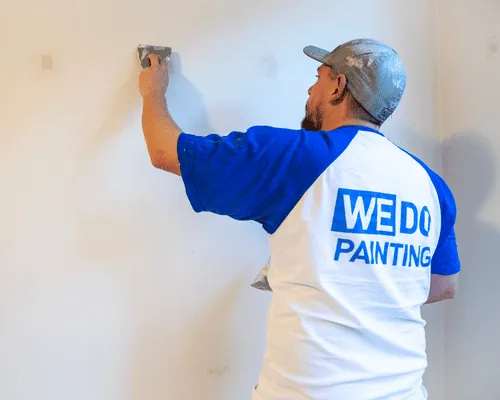
A reliable process usually starts with inspection. The painter checks the type of damage, how deep it goes, and whether there may be an underlying cause that needs attention first. From there, loose material is removed if needed, the area is filled or patched, and the repair is built up to match the surrounding surface.

Once dry, the repaired section is sanded smooth and feathered into the adjacent area. This is where experience matters. If the edge of the repair is not blended well, you can often see it after painting, especially in natural light.

After that, the repaired area is sealed or primed. This step helps create even absorption across the wall so the topcoat does not look patchy. Only then does the actual painting begin. Depending on the existing condition and colour change, this may involve an undercoat and two finish coats.

The process is simple in principle, but the quality sits in the detail. Rushing dry times, skipping sealing, or under-preparing the patch usually shows up at the end.

Can painters repair plaster first on older properties?

They often can, but older properties need a more careful assessment. Older walls and ceilings may have layered repairs, age-related movement or surfaces that are less uniform than modern plasterboard. That means the repair may take more time, and matching the texture can be just as important as filling the damage itself.

In Melbourne homes, particularly established properties, it is not unusual for a painting project to uncover areas that need more preparation than expected. That is not a reason to avoid the work. It just means the quote and scope should allow for proper repair, not a rushed cosmetic patch.

For heritage-style details or ornate sections, you may also need someone with specific experience in decorative restoration. A general painting crew may still be the right choice, but it depends on the finish you are trying to achieve and how detailed the damaged area is.

Questions worth asking before you book the job

If you want both plaster repair and painting done properly, ask direct questions. Does the quote include patching and surface preparation? Are the repairs minor, moderate or extensive? Will patched areas be sealed before painting? If more damage is found after work starts, how will that be handled?

These questions are not about making the process difficult. They simply make sure everyone is clear on what is included. The best jobs run smoothly because the scope is understood from the start.

It also helps to ask whether the painter regularly handles this type of repair. Not all painting companies do. Some only want surfaces that are already paint-ready. Others, including full-service contractors, are set up to deal with repairs as part of the wider project.

The benefit of using one team for repairs and painting

When one team handles both jobs, communication tends to be cleaner and the result more consistent. There is no debate over where the plaster repair ends and the paint prep begins. The same people are responsible for the finished surface, which usually leads to better accountability.

It can also save time on site. Instead of coordinating separate visits, trades and quotes, the work is planned as one project. For busy households, commercial premises and managed properties, that can reduce disruption and make scheduling easier.

At WE DO Painting, this kind of integrated approach is often what clients are looking for – practical repairs, professional painting and a clear path from first inspection to final finish.

If you are looking at damaged walls or ceilings and wondering whether to call a plasterer or a painter first, the honest answer is that it depends on the extent of the issue. But for many everyday repair jobs, an experienced painter can repair plaster first and then deliver the finish you actually wanted in the first place.