

Table of Contents
- What to Expect From Professional Exterior House Painters
- Surface Preparation: Why It Matters More Than You Think
- Questions to Ask Painting Contractors Before You Commit
- Professional Painters Melbourne Price Guide
- Average Duration of Exterior House Painting Projects
- Guarantees, Insurance, and Protecting Your Investment
- Maintenance After Painting: Extending Your Finish
- Frequently Asked Questions
Last Updated: September 3, 2026
What to Expect From Professional Exterior House Painters
When you book exterior house painters, you’re investing in more than just a fresh coat of paint. Professional painters handle everything from initial assessment through final cleanup, transforming how your home looks and protecting it from the elements. We Do Painting has worked with Melbourne homeowners to deliver results that last.
The engagement starts with a site visit and consultation. A qualified painter assesses your property’s condition, identifies surface damage, discusses colour options, and provides a detailed quote. This thorough consultation shapes the entire project by clarifying expectations, timeline, and budget.
Once committed, the real work begins with surface preparation. This is where professional painters separate themselves from amateurs. They inspect for rot, mildew, loose paint, and structural issues. They power-wash surfaces, scrape away failing paint, fill gaps and cracks, sand rough spots, and prime bare wood. This preparation phase typically accounts for 40-60% of total project time and is the single biggest factor in paint longevity (peer-reviewed research).
During the actual painting phase, professionals apply paint in optimal conditions. They understand how temperature, humidity, and wind affect paint adhesion and drying. They use high-quality materials suited to Melbourne’s climate, apply multiple coats where needed, and maintain clean lines and edges.
Ask your painting contractor upfront how they handle unexpected issues discovered during preparation. Quality painters budget time for minor repairs without charging extra, while major structural problems are flagged early so you can decide how to proceed.
Surface Preparation: Why It Matters More Than You Think
Surface preparation is where the durability of your paint job is won or lost. Professional exterior house painters know that perfectly applied paint on unprepared surfaces will fail within a few years. Poor prep leads to peeling, blistering, and the need for complete repainting sooner than expected.
The preparation process begins with thorough inspection. Painters look for existing paint failure, moisture damage, mildew, algae growth, and structural issues like rotting timber or cracked render. In Melbourne’s climate, moisture is a constant concern. Salt air, humidity, and rain mean surfaces must be completely dry and free of contaminants before paint is applied.
Power washing removes dirt, mould, and loose paint, but must be done carefully to avoid damaging timber, render, or brick. After washing, surfaces need time to dry completely. Experienced painters don’t skip this step or work in damp conditions.
Scraping and sanding remove all loose or peeling paint. Paint won’t adhere properly to existing failing paint. For weatherboard homes, this means careful scraping of each board. For render or brick, it means identifying areas where paint is delaminating.
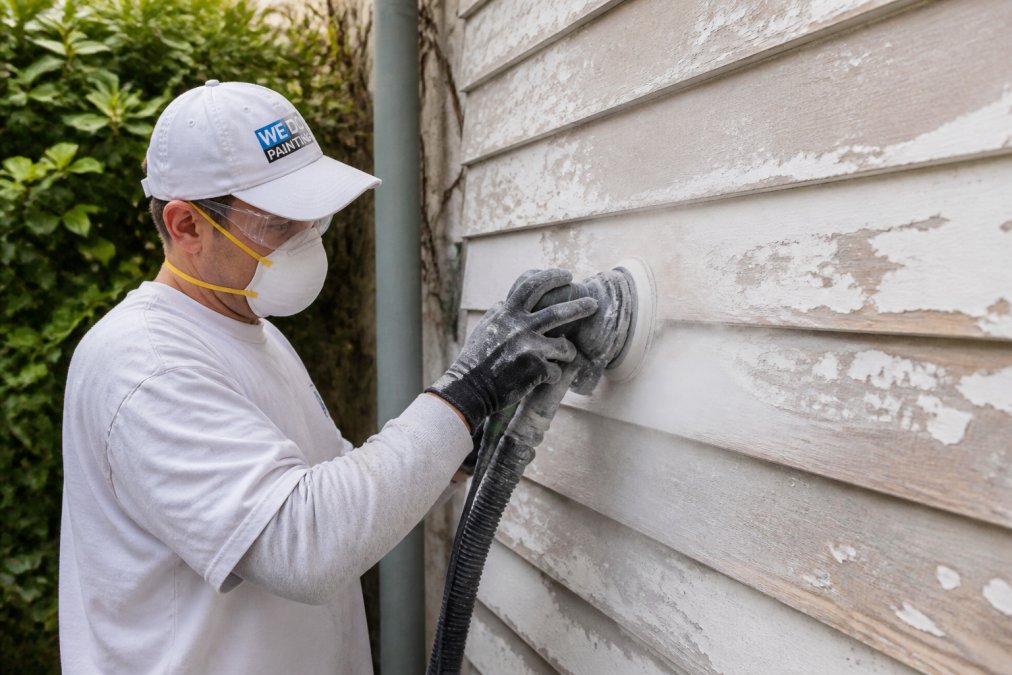
Caulking and filling come next. Gaps between boards, around windows, doors, and trim need quality exterior caulk. Cracks in render or timber need filler. Priming follows, bare wood and new filler must be primed before the finish coat is applied.
The difference between a paint job that lasts five years and one that lasts ten years usually comes down to preparation quality. Homeowners who prioritize thorough prep consistently report better results and longer intervals between repaints.
Questions to Ask Painting Contractors Before You Commit
Asking the right questions before you hire exterior house painters protects your investment and sets clear expectations. Here are the questions that matter.
What’s your preparation process in detail? Don’t accept vague answers. Ask specifically about power washing, scraping, sanding, filling, caulking, and priming. Ask how they handle areas where they find rot or damage.
What paint brand and grade are you using? Quality matters enormously. Ask why they’ve chosen that specific product and how it suits your home.
What’s your timeline, and what could delay it? Get a realistic estimate. Weather is the main variable. Ask how weather delays are managed and whether the timeline accounts for drying time between coats.
Are you licensed and insured? Ask to see proof of public liability insurance and workers’ compensation cover.
What’s your guarantee? Professional painters stand behind their work. Ask about the warranty on workmanship and materials. Get this in writing.
Do you handle cleanup? Clarify whether the quote includes daily cleanup, removal of drop sheets, and final site restoration. We Do Painting includes thorough cleanup as standard.
Can you provide references? Ask for contact details of recent clients you can actually call. References from real customers are worth more than any marketing claim.
What happens if you discover problems during prep? Ask how additional work is quoted and approved. The best contractors identify issues early and get your sign-off before proceeding.
Be wary of quotes that are significantly lower than others. Budget contractors often cut corners on preparation, use lower-grade paint, or underestimate scope. A price that seems too good usually means something is being sacrificed, often the prep work that determines longevity.
Professional Painters Melbourne Price Guide
Pricing for exterior house painting varies based on property size, condition, complexity, paint quality, and current market demand. The primary cost drivers are surface area and preparation requirements. A small single-storey home with good existing paint requires less work than a large two-storey property with extensive prep needs.
Paint quality significantly affects price. Budget exterior paint costs less but requires more frequent repainting. Premium paint formulated for Australian conditions costs more upfront but lasts longer. The difference in cost per year is often smaller than the upfront price suggests.
Labour costs depend on the contractor’s experience and reputation. Established painters with strong track records typically charge more than new entrants, reflecting their expertise and lower risk of project problems.
To get accurate pricing, provide contractors with consistent information: property size, current paint condition, and scope of work. Get at least three quotes and compare not just total price but what’s included, preparation depth, paint grade, cleanup, and warranty.
Homeowners seeking transparent pricing should request a detailed quote breakdown. We Do Painting provides itemised quotes showing preparation costs, paint costs, labour, and additional work separately, so you understand exactly where your money is going.
Average Duration of Exterior House Painting Projects
Project timeline depends primarily on property size, condition, and weather. A typical single-storey home takes 5-10 working days. A larger two-storey home might take 2-3 weeks. These timelines assume good weather and no unexpected issues.
The preparation phase is the longest part. For a home in reasonable condition, expect 40-60% of total timeline to be prep work. For a property with significant paint failure or surface damage, preparation can extend the project considerably.
Weather is the main variable. Rain stops work. Extreme heat (above 30°C) can affect paint application, potentially leading to issues like blistering or poor adhesion. High winds can interfere with spray painting. Quality contractors don’t rush to meet deadlines in poor conditions because that compromises the finish.
Drying time between coats adds to the timeline. Most exterior paints require 24-48 hours between coats in normal conditions. Contractors can’t apply the next coat until the previous one is fully dry.
When evaluating timeline quotes, ask what’s included in the estimate. A realistic quote accounts for prep time, drying time, and a buffer for minor weather delays.
Guarantees, Insurance, and Protecting Your Investment
Professional painters offer guarantees on their workmanship, and reputable contractors carry insurance to protect you if something goes wrong.
A workmanship guarantee typically covers defects in how the paint was applied: peeling, blistering, poor coverage, or uneven finish caused by the painter’s error. Standard guarantees run 2-5 years. This covers failure due to poor application but generally doesn’t cover damage from extreme weather, impact, or lack of maintenance.
Public liability insurance protects you if the painter damages your property or injures themselves on your site. Ask to see a current certificate of currency.
Workers’ compensation insurance is required by law for contractors who employ staff. Verify this arrangement to ensure that if someone is injured on your property, it’s covered by insurance, not your homeowner’s cover.
Get all guarantees and insurance details in writing as part of your contract. We Do Painting carries full public liability and workers’ compensation insurance and provides written workmanship guarantees on all projects.
Maintenance After Painting: Extending Your Finish
How you maintain your newly painted exterior directly affects how long it looks good. A properly maintained paint job can last significantly longer than one that’s neglected.
Regular inspection is the first step. Walk around your property every few months and look for signs of paint failure, peeling, cracking, or blistering. Catch problems early before they spread.
Cleaning is important, especially where salt air, mould, and algae accumulate. Gentle pressure washing once a year removes contaminants without damaging the paint. Avoid high-pressure washing on newly painted surfaces; let them cure fully before power washing.
Caulk and filler need attention too. Exterior caulk deteriorates over time and should be replaced every 5-7 years. Re-caulking prevents water ingress, which causes rot and paint failure.
Address damage promptly. If you notice timber rot, loose cladding, or cracks in render, fix these before they affect the paint. Maintenance on underlying surfaces extends the life of the paint job.
Hiring professional exterior house painters is an investment in your property’s appearance and protection. The right contractor handles every phase properly, from thorough preparation through final cleanup, and stands behind their work with guarantees and insurance.
We Do Painting delivers comprehensive preparation, high-quality finishes, transparent pricing, and reliable project management. Request a quote today to see how professional painting can transform your home.
Frequently Asked Questions
What factors influence the cost of exterior house painting?
Cost depends on the size of the area, surface condition, paint quality, weather-resistant coating type, and extent of preparation needed. Weatherboard, brick, and render require different techniques and materials. Climate-specific paints for Melbourne’s conditions cost more but last longer. Additional work like caulking, mold treatment, and repairs adds to the final price. Request a written quote that itemises labour, materials, and any prep work required.
How long does it take to paint a house exterior?
Most exterior house painting projects take 1-3 weeks, depending on property size, weather, and preparation complexity. A standard two-storey house with good surface condition typically takes 2-3 weeks. Poor surface conditions, extensive repairs, or weather delays extend the timeline. Ask your contractor for a detailed project schedule upfront and clarify how weather affects their timeline.
Should I get multiple quotes before booking a painter?
Yes. Obtain at least two or three written quotes to compare scope, materials, labour, and timeline. Quotes vary because some contractors invest more in surface preparation and premium finishes. The cheapest quote may skip critical prep work, leading to peeling paint within two years. Compare what’s included: sanding, priming, caulking, and cleanup. Choose based on value and thoroughness, not price alone.
How do I find reliable exterior house painters?
Check for licensed contractors with public liability and professional indemnity insurance. Ask for references from recent residential projects and verify their experience with your property type (weatherboard, heritage, brick, or render). Read testimonials and confirm they provide free written quotes and clear communication. Ensure they guarantee their workmanship and use quality, weather-resistant coatings suitable for local climate conditions.
This article was written using GrandRanker