How to Find the Best Painters for Heritage Homes

How to Find the Best Painters for Heritage Homes

Find the best painters for heritage homes in Melbourne. Learn what experience, preparation and products protect period character and lasting value today.

A heritage home can lose much of its appeal through one rushed painting job. Fine timber fretwork, original weatherboards, decorative plaster and traditional colour schemes all need a more considered approach. Finding the best painters for heritage homes means choosing a team that understands the building’s age, materials and character, not simply one that can apply a fresh coat quickly.

For Melbourne homeowners, that matters because period properties face a mix of conditions: harsh summer sun, rain, cool damp winters and decades of previous maintenance. Good painting protects the home while respecting the details that made it worth preserving in the first place.

What Makes Heritage Painting Different?

Painting a Victorian terrace, Edwardian weatherboard or Californian bungalow is not the same as painting a newer home. Heritage properties often have timber that has moved over time, layered old coatings, ornate features and surfaces that need repair before any colour goes on.

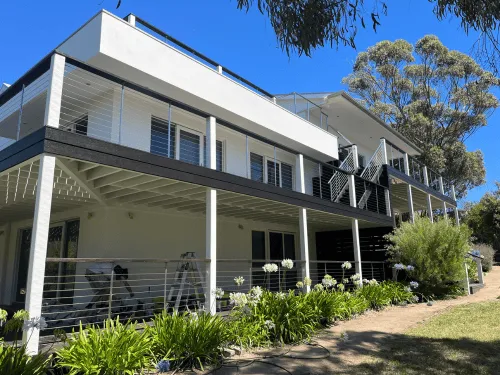
The work starts with assessment. An experienced heritage painter looks closely at the condition of weatherboards, fascia boards, window frames, eaves, verandah posts, rendered walls and interior detailing. They identify where moisture may be getting in, where timber needs attention and where old coatings need careful treatment. Skipping this stage can leave even a good-looking finish vulnerable to early failure.

There is also the question of authenticity. Some homes sit within a heritage overlay or have planning considerations that affect exterior colours and visible finishes. Requirements vary by property and council, so homeowners should check what applies before committing to a colour plan. A knowledgeable painter can help you think through suitable options, but formal approvals remain the owner’s responsibility.

The Best Painters for Heritage Homes Start With Preparation

Preparation is where the quality of a heritage painting project is won or lost. Period homes have character, but that character can include uneven surfaces, fine cracks, old repairs and hard-to-reach decorative elements. A painter who treats preparation as an optional extra is not protecting your investment.

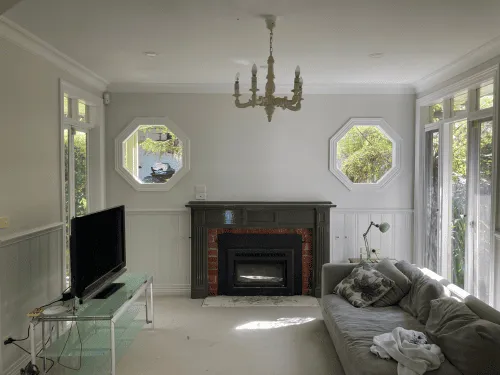
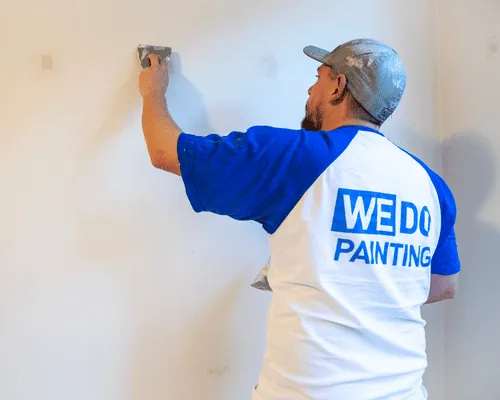
For exterior work, preparation may involve washing down surfaces, carefully removing loose material, filling minor defects, sanding timberwork and repairing damaged sections where needed. Interior work can call for plaster repairs, patching, sanding and detailed work around ceiling roses, cornices, picture rails and timber trims.

The right process depends on the surface. Weatherboards need a different approach from rendered masonry, and old timber windows need more care than a modern aluminium frame. A professional should explain what they have found, what needs attention now and what can be planned as future maintenance. That clarity helps you make practical decisions without being pushed into unnecessary work.

Be wary of a quote that gives little detail about preparation. It may appear cheaper at first, but it leaves too much room for assumptions. A proper scope should explain the surfaces being painted, the level of preparation, repair work included, paint system proposed and number of coats.

Older coatings require sensible care

Very old homes may contain coatings that need specialist handling. Before sanding or disturbing unknown old paint layers, the contractor should assess the risks and use safe work practices. This is particularly relevant around original doors, windows, skirtings and external timberwork that may have been painted many times over.

A careful painter will protect gardens, floors, paths and neighbouring property, contain dust where practical and keep the site tidy. These details are not cosmetic. They show whether the team has systems in place to work safely and respectfully in an occupied home.

Experience With Period Materials Matters

Heritage homes are built from materials that deserve a tailored approach. Timber is a major example. It expands and contracts with Melbourne’s changing weather, so the preparation, primers and topcoats must work together to give it durable protection.

Decorative timber features can be especially time-consuming. Brackets, balustrades, latticework and fretwork need steady handwork and patience. Spraying can be useful on appropriate broad surfaces, but it is not automatically the best method for every heritage detail. Brushing and rolling may produce a more controlled finish where edges, profiles and neighbouring surfaces need careful management.

Masonry and render bring their own considerations. These surfaces need to be sound, clean and suitably prepared so the coating performs as intended. Inside, original plaster walls may need repairs that blend in rather than flatten the character out of the room.

Ask painters about comparable homes they have worked on. You do not need a history lesson. You do need evidence that they understand the practical differences between a period property and a standard repaint.

Colour Choices Should Respect the Home and Your Lifestyle

Heritage colour schemes do not have to mean living with a dark or overly formal house. The best result usually balances the architectural period with the way you want to live now.

A Federation home may suit a considered combination across weatherboards, trims, gables and veranda details. A Victorian terrace might benefit from highlighting mouldings and ironwork without turning every feature into a focal point. Internally, warm whites, muted greens, soft greys and richer accent colours can work beautifully, depending on natural light, original joinery and furnishings.

The most useful painter will discuss colour in context. They should consider the roof, brickwork, garden, neighbouring homes and the direction each elevation faces. Paint that looks subtle on a sample card can look much brighter across a full western wall in summer.

Test larger sample areas before finalising exterior colours. Look at them in morning light, afternoon light and on an overcast day. For interiors, assess them alongside flooring, curtains and existing timber finishes. This small step prevents expensive disappointment and gives you confidence before the project begins.

Questions to Ask Before You Accept a Quote

Price matters, but it should not be the only deciding factor on a heritage home. The cheapest quote can become costly if key preparation, repairs or protection measures have been left out.

Ask how the painter will assess existing surfaces and whether any carpentry or plaster repairs are required before painting. Confirm which products are proposed for each area, how many coats are included and whether the quote covers trims, windows, doors, eaves and other detailed elements. It is also worth asking how the team will protect landscaping, furnishings and access areas during the job.

Communication matters just as much. You should know who will be on site, when work will start, how long it is expected to take and how changes will be handled if hidden issues are uncovered. Heritage properties can reveal surprises once preparation begins. A reliable contractor communicates early, provides practical options and keeps the project moving.

For owners who need broader support, it can be useful to work with a painting contractor able to coordinate painting repairs, plaster work and minor carpentry needs. That avoids the frustration of managing multiple trades for connected work. WE DO Painting provides this practical, full-service approach for homeowners across Melbourne and the south-eastern suburbs.

Plan Maintenance Before It Becomes a Major Job

A well-painted heritage home still needs regular attention. Exterior surfaces work hard against sun and rain, while gutters, roof leaks, garden growth and poor ventilation can affect the condition of painted areas. Periodic inspections make it easier to deal with small issues before they spread.

Walk around the property once or twice a year and check timber joinery, eaves, verandah details and areas exposed to weather. Keep vegetation clear of walls where possible, maintain gutters and address moisture sources promptly. Inside, look closely around wet areas, windows and ceilings for signs that repairs may be needed.

The best time to organise maintenance is before the home looks tired. A planned approach protects original materials, keeps future work more manageable and helps your heritage home continue to look cared for from the street right through to its finest interior details.