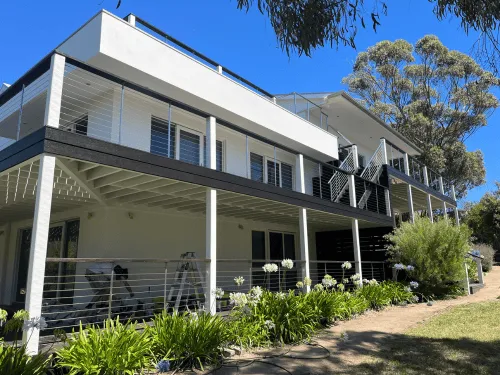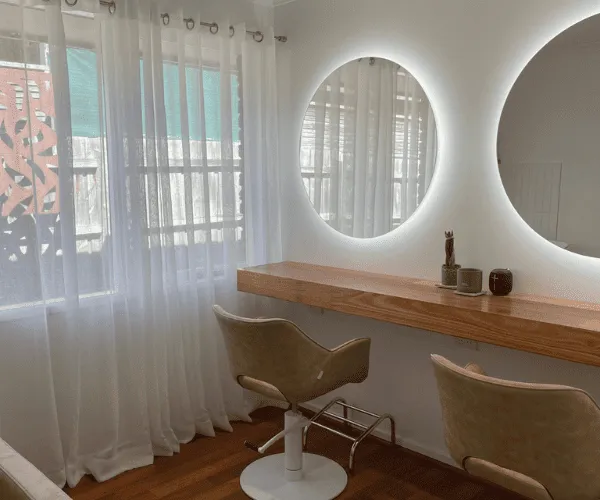
A rental property does not need the most expensive paint system on the market. It needs the right system for regular cleaning, everyday wear and efficient touch-ups between tenancies. The best paint options rental properties rely on are usually durable, washable and easy to match later – with sensible colours and finishes that keep rooms looking well cared for.
For landlords and property managers, paint selection is not just a decorating decision. It affects maintenance costs, inspection presentation, tenant appeal and the time a property sits vacant. A quality finish applied properly can make routine maintenance simpler and help protect the surfaces underneath.
Start with a durable interior acrylic
For most internal walls, a premium water-based acrylic is the practical choice. It has low odour, dries relatively quickly and stands up better to everyday marks than basic budget paint. That matters in hallways, living rooms, children’s bedrooms and near entry doors, where walls tend to receive the most attention.
Look for a washable or scrubbable interior acrylic rather than choosing purely on price. Cheaper paints can cover adequately on day one, but they may mark more easily and can make cleaning difficult. When a wall needs attention at the end of a lease, a more durable coating often means less preparation and fewer full-wall repaints.
Paint quality also affects coverage. A good trade-quality product usually provides stronger opacity and a more consistent finish, particularly when changing from a darker colour to a lighter neutral. The upfront cost can be higher, but it can reduce labour, extra coats and future maintenance.
Choose the sheen level for the room
Sheen is the amount of light reflected by the painted surface. It has a major impact on both appearance and cleanability.
For general walls in rental homes, low sheen is often the best balance. It has a soft, modern look, is easier to clean than flat paint and does not highlight minor surface variations as strongly as glossier finishes. It suits living areas, bedrooms, hallways and most internal spaces.
Wash-and-wear low sheen is a strong option in higher-traffic rentals, particularly family homes and apartments with narrow corridors. It gives property managers a finish that can handle more regular cleaning without looking overly glossy.
Flat or matte paint can work well on ceilings because it disguises small imperfections and reduces light reflection. On walls, however, it is generally better reserved for low-traffic rooms or properties where a very flat designer appearance is the priority. It can be less forgiving when scuffs need cleaning.
Semi-gloss is generally best for trims, doors, architraves and skirting boards. These surfaces get knocked, touched and wiped more often than walls. A harder-wearing semi-gloss coating creates a crisp contrast against low-sheen walls and makes routine cleaning more straightforward.
Best paint options for rental properties by area
A single paint finish across an entire property may seem simple, but different rooms have different demands. Matching the coating to the space will provide a better result and avoid premature maintenance.
Living areas, bedrooms and hallways
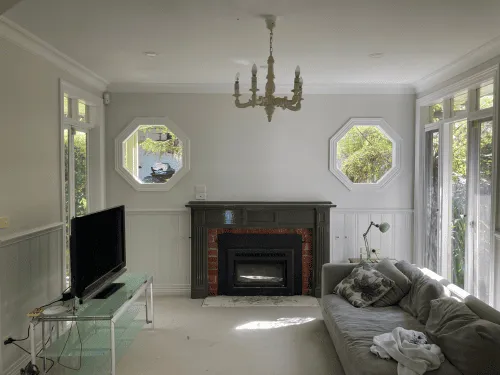
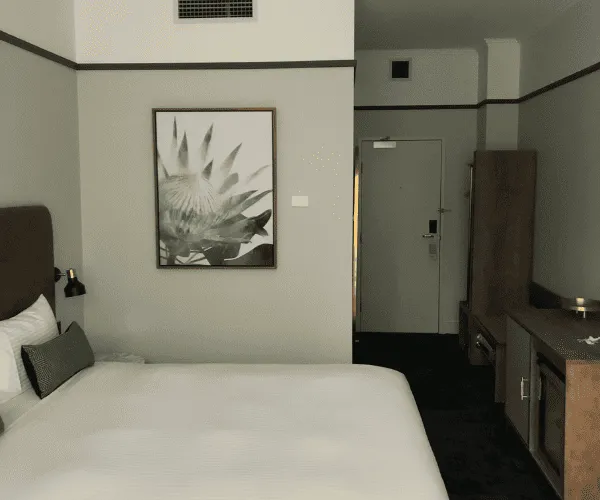
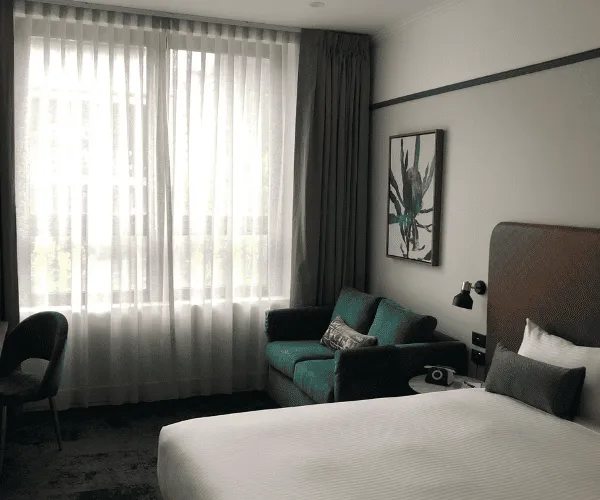
A washable low-sheen acrylic in a warm off-white, soft grey or light neutral is a reliable choice. These colours feel clean and adaptable, work with a broad range of furniture and make it easier for prospective tenants to picture themselves living in the space.
Avoid selecting stark white without checking the lighting. In a south-facing Melbourne room, a very cool white can feel dull or clinical. A white with a little warmth often works better across varied natural light, especially in older homes with timber floors or warmer fittings.
Kitchens and laundries
Kitchens and laundries need a paint that copes with moisture, splashes and regular wiping. A quality washable low sheen can be suitable for most walls, while semi-gloss is worth considering on areas likely to receive heavier contact. Good ventilation is still essential. Paint performs best when the room can dry properly after cooking, washing or showering.
Where walls are close to benchtops, sinks or appliances, proper preparation matters as much as paint choice. Grease, residue and surface damage must be dealt with before coating begins, otherwise even a premium paint system will struggle to bond evenly.
Bathrooms
Bathrooms need a moisture-resistant acrylic designed for wet areas. Choose a product specified for bathrooms and ensure exhaust fans are working as intended. This is not a place to use leftover wall paint from another room simply because the colour matches.
A low-sheen wet-area paint is often the sensible choice for bathroom walls outside tiled sections. It gives a neat finish while providing better resistance to condensation than a standard interior coating.
Doors, trims and skirting boards
These areas benefit from a tougher finish. Water-based enamel is a popular option for rental properties because it dries faster than traditional oil-based enamel, has lower odour and is easier to maintain. In satin or semi-gloss, it provides a durable finish for high-contact surfaces.
Using one consistent white for trims throughout the property also makes future maintenance easier. Keep a clear record of the product, sheen and colour code so touch-ups can be planned accurately.
Neutral colours reduce turnover stress
The right rental colour palette should be flexible, not bland. A neutral base gives tenants room to add their own furnishings and styling while keeping the property light, clean and broadly appealing.
Warm whites, pale greiges, soft stone tones and light muted greys tend to work well. They hide minor everyday marks better than brilliant white while still making rooms feel open. Dark feature walls can look effective in owner-occupied homes, but they can make small rental rooms feel enclosed and usually require more work when the scheme changes.
Consistency is valuable. Using the same wall colour through most living spaces simplifies future paint orders and helps achieve a uniform presentation at inspections. You can still create interest through a slightly deeper colour in a study, powder room or feature area, but keep the core palette practical.
Do not overlook surface preparation
Paint is only as good as the surface it is applied to. Rental properties often need more preparation than expected, especially after years of picture hooks, furniture movement and general tenancy wear.
Before painting, a professional team will assess plaster damage, cracks, stains, loose material, gaps around trims and previous coating condition. Cleaning, sanding, filling and priming are not optional extras when a quality finish is the goal. They are what allow the top coats to sit evenly and last as intended.
Stains from water, smoke or other contaminants may need a specialised primer before the finishing coats are applied. Skipping this stage can allow discolouration to show through later, even after multiple coats of standard paint.
For landlords managing several properties, it is worth treating repairs and painting as part of one maintenance scope. Having plaster repairs, minor carpentry fixes and painting organised together reduces delays and gives the property a more consistent final result.
Consider low-VOC paint for occupied properties
Low-VOC paints are a practical consideration when work needs to be completed close to a move-in date or while a property is occupied. VOCs, or volatile organic compounds, contribute to paint odour and indoor air emissions. Lower-VOC products can make the painting process more comfortable for tenants and trades working nearby.
Low VOC does not automatically mean lower quality. Many premium washable acrylics now offer low-odour, low-VOC formulas alongside good durability. The key is choosing a product suited to the surface and using the correct preparation, primer and application method.
Plan for touch-ups before the job starts
Touch-ups are part of rental maintenance, but they are not always invisible. Paint colour can shift slightly between batches, and the final appearance can vary with sheen, wall texture and the age of the existing coating. A patch painted with the wrong product may stand out even when the colour name is correct.
Record the manufacturer, product line, colour code and sheen for every area. Keep a labelled, tightly sealed amount of paint where appropriate, and note the date it was applied. This gives a painter or property manager a clear starting point when maintenance is required.
It is also worth using the same product across comparable wall areas. Mixing different low-sheen brands or sheens can create visible variation under natural light, particularly in large open-plan rooms.
Get the finish right, not just the colour
The best result comes from balancing paint quality, sheen, colour and preparation against the property’s actual use. A high-end apartment, a busy family home and a commercial tenancy will not have identical requirements. The right specification depends on traffic, light, moisture exposure, tenant turnover and the condition of the existing surfaces.
For Melbourne landlords and property managers, WE DO Painting can assess the property, complete required repairs and recommend a practical paint system that presents well now and remains manageable between tenancies. A carefully chosen, professionally applied finish gives every new tenant a better first impression – and gives you one less maintenance issue to chase.