Scuffed hallways, marked corners and constantly touched walls can make a well-kept property look tired faster than most people expect. Choosing the best paint for high traffic walls is less about picking the most expensive tin on the shelf and more about matching the right finish and product to how the space is actually used.
In a family home, that might mean fingerprints near light switches, school bags brushing past a hallway wall, or chairs nudging the dining area. In a commercial setting, it could be staff movement, customer contact, cleaning routines and day-to-day wear. The paint needs to do two jobs at once – look good and hold up under pressure.
What makes the best paint for high traffic walls?
Durability is the first thing most people look for, and rightly so. A wall in a busy corridor or shared space needs a coating that can handle repeated contact without losing its finish too quickly. But durability on its own is not enough. Washability matters just as much, especially in homes with children or in workplaces where presentation counts.
A good paint for high traffic areas should resist marking, allow gentle cleaning and maintain an even appearance over time. It should also suit the substrate underneath. A hallway in a modern plastered home has different demands from a commercial wall that sees regular cleaning and heavier use.
This is where people often get tripped up. They focus only on brand names or marketing claims and miss the bigger picture. The best paint is the one that balances finish, practicality and the specific conditions of the room.
Best paint finish for high traffic walls
For most high traffic interior walls, low sheen or washable matte tends to be the sweet spot. Low sheen gives you a tougher, easier-to-clean surface than standard flat paint, while still hiding surface imperfections better than glossier finishes. That makes it a strong choice for hallways, living areas, stairwells and office interiors.
Washable matte has improved a lot in recent years and can work well where you want a softer look without giving up too much practicality. Not all matte paints are equal, though. Some are made for appearance first and don’t stand up particularly well in busy areas. If you want a matte look, it pays to choose one specifically designed to be scrub-resistant and washable.
Satin or semi-gloss can be even tougher again, but there is a trade-off. The more sheen you add, the more the wall surface can show up. Patches, dents, uneven plaster and previous repair work often become more visible under light. In utility spaces, back-of-house commercial areas, or children’s play zones, that may be perfectly acceptable. In a main living area or customer-facing space, it can be less forgiving.
Where each finish works best
Low sheen suits most residential living areas, corridors and bedrooms with regular use. Washable matte is a good fit when you want a softer decorative result but still need a paint that can handle day-to-day contact. Satin or semi-gloss is often better for very busy commercial settings, service corridors, kitchens, and walls that need more frequent cleaning.
There is no single winner for every property. The best finish depends on how much wear the wall gets, how perfect the surface is, and how often you expect to clean it.
Why cheap paint often costs more
Budget paint can seem attractive when you are covering a large area, but high traffic walls are one place where cutting corners usually shows up quickly. Lower grade products often have weaker washability, poorer coverage and a finish that loses its fresh look earlier.
That does not mean every premium paint is automatically worth the extra spend. It means the product needs to be fit for purpose. In a spare room, a standard interior wall paint may be enough. In a hallway, reception area or busy rental property, investing in a better quality washable interior paint usually saves money over time because the walls stay presentable for longer.
Labour matters here too. Repainting a marked-up wall costs more than just another tin of paint. It involves preparation, protection, time and disruption. If a stronger system reduces how often that work is needed, the value becomes pretty clear.
Best paint for high traffic walls in homes
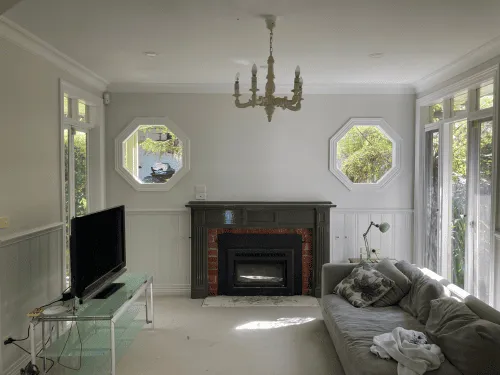
In residential properties, the busiest walls are usually hallways, stairwells, entry areas, kitchens and children’s bedrooms or playrooms. These spaces benefit from paints that are easy to wipe down and less likely to show every mark.
For most homes, a high-quality acrylic interior paint in low sheen is the safest all-round choice. It provides a clean, modern look and enough durability for everyday family life. In homes with very young children, pets or heavy daily use, stepping up to a more washable product can make a noticeable difference.
Surface preparation is just as important as the paint itself. If the wall has dents, rough patches or previous repairs, those should be properly addressed first. Even the best paint won’t disguise poor prep, and higher-sheen finishes can make those issues stand out more.
Colour also plays a practical role. Very dark colours can show rub marks and dust more easily, while very bright whites may highlight every touch point. Mid-tones and softer neutrals are often more forgiving in busy areas without compromising the overall look of the home.
Best paint for high traffic walls in commercial spaces
Commercial walls have a different set of pressures. Offices, retail spaces, schools, medical settings and common areas often need finishes that can tolerate more frequent cleaning while still presenting well to staff, customers or tenants.
In these environments, washability and consistency become critical. A finish that looks excellent on day one but quickly marks under regular use is not much help. Low sheen remains a strong option for many offices and customer-facing areas, while satin or other tougher finishes may be better suited to corridors, amenities and work zones.
For property managers and business owners, maintenance cycles are part of the decision. A more durable paint system can help reduce touch-up frequency and keep premises looking professional between larger works. That matters when presentation affects tenant satisfaction, customer impressions or day-to-day operations.
In Melbourne commercial properties, it is also worth thinking about scheduling and disruption. Choosing the right paint from the start is often the best way to avoid unnecessary repainting and repeat maintenance later.
Don’t ignore cleaning and upkeep
Even the best paint for high traffic walls has limits. Frequent harsh scrubbing, abrasive cleaners or rough cloths can wear down the finish over time. In busy homes and workplaces, cleaning should be gentle and consistent rather than aggressive.
A mild cleaner, soft cloth and quick attention to fresh marks usually work better than leaving walls untouched for months and then trying to scrub everything off at once. This is another reason washability matters. Some paints make routine upkeep straightforward. Others look fine initially but become patchy after cleaning.
If you know the wall will need regular attention, choose a product designed for that reality rather than hoping a decorative finish will cope.
How to choose the right product without guessing
The simplest way to make the right call is to start with the room, not the label. Ask how often people touch the wall, whether furniture or equipment comes into contact with it, how often it will need cleaning and how visible the wall is under natural or artificial light.
Once you know that, the decision gets clearer. For general busy living areas, low sheen is usually the best balance. For softer aesthetics with moderate durability, washable matte can work well. For harder-wearing needs and frequent cleaning, a more durable satin-style finish may be the better option.
It also helps to get practical advice before the job begins, especially if the walls need repair work or if you are painting a commercial or multi-use site. A professional painter can recommend a system based on actual wear conditions, not just brochure language.
That is where experience counts. A dependable painting contractor will look at the traffic level, the surface condition and the finish you want, then recommend a coating that performs in the real world. At WE DO Painting, that practical approach is what helps clients get a result that looks sharp and lasts.
The best paint choice is rarely about chasing the toughest or glossiest product available. It is about using the right finish in the right place so your walls keep working as hard as the rest of the property. If you get that part right, the space stays cleaner-looking, more professional and easier to maintain long after the paint has dried.