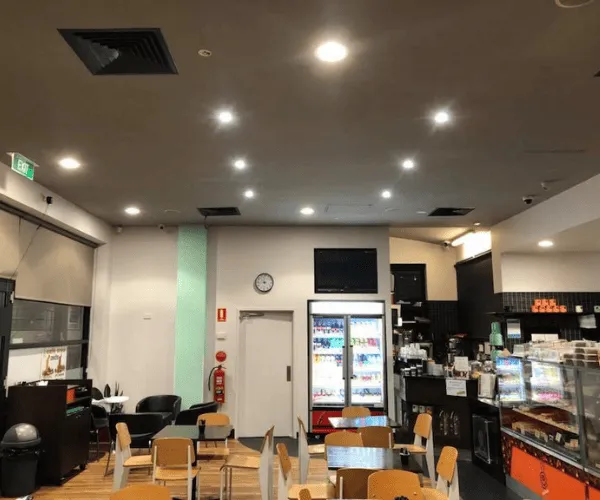
A kitchen can look freshly renovated one minute and show every splash, fingerprint and scuff the next. Choosing the best paint finishes for kitchens is less about chasing the shiniest surface and more about putting the right level of durability in the right place. Walls, ceilings, trims and cupboards all deal with different conditions, so they should not automatically receive the same finish.
For Melbourne homes, the practical choice usually comes down to washability, moisture resistance, how much natural light the room receives, and the condition of the existing surfaces. A finish that looks great on a colour chart may be frustrating to live with if it highlights uneven plasterwork or marks easily around the cooktop.
Best paint finishes for kitchens by surface
There is no single finish that suits every part of a kitchen. The most reliable approach is to match the sheen level to the job.
A low-sheen or washable matt finish is often the best choice for most kitchen walls. It gives a modern, understated appearance while handling routine wiping far better than traditional flat paint. This makes it well suited to larger wall areas away from direct cooking splatter.
Satin or semi-gloss is generally better around high-contact zones, including doors, architraves, skirting boards and window frames. These finishes have a noticeable sheen, hold up well to cleaning and create a crisp contrast against lower-sheen walls.
For ceilings, a quality ceiling matt is usually the right call. It helps disguise minor surface variation and avoids an unwanted shine overhead. The key is using a product designed for humid internal areas, particularly in kitchens with limited ventilation.
Cupboards are their own category. Cabinet doors need a hard-wearing coating system designed for cabinetry, not standard wall paint. Satin, semi-gloss or gloss can all work, depending on the look you want and the material being painted.
Low sheen or washable matt for kitchen walls
Low sheen is the dependable all-rounder for kitchen walls. It has a soft finish that suits contemporary homes, period properties and rental upgrades alike. Compared with a higher-sheen paint, it reflects less light, so it is more forgiving of small dents, patched areas and variations in plaster.
The important detail is the product quality. A washable low-sheen acrylic gives you more practical cleaning performance than a basic matt wall paint. It is a smart option for walls near dining spaces, pantries and thoroughfares where hands, bags and chairs can leave marks.
Low sheen is not the best option immediately behind a busy cooktop or in a tight space where splashes are frequent. A tiled or glass splashback remains the most practical surface in that zone. Where paint is still needed nearby, a more washable finish may be worth considering.
When matt can still work
A true matt finish creates a calm, premium look and works well in a large kitchen with good ventilation and protected splash zones. It is especially effective on ceilings and upper walls where contact is limited. Just choose a kitchen-rated, washable formulation rather than assuming every matt paint performs the same way.
Satin and semi-gloss for trims and busy areas
Satin and semi-gloss finishes are made for the hard-working details of a kitchen. Their smoother, tighter surface is easier to wipe down after everyday cooking and cleaning. They are commonly used on timberwork, including skirting boards, door frames, doors and window trims.
Satin has a softer lustre and is often preferred where the goal is a neat, modern finish without a strong shine. Semi-gloss is more reflective and generally offers even greater resistance to moisture and marks. It suits areas that receive regular handling, but it can draw attention to rough timber, brush marks or uneven preparation.
Preparation matters more as the sheen increases. Gaps need filling, damaged areas need repairing, and surfaces must be sanded and primed properly. A high-sheen finish will not hide shortcuts. It does the opposite.
Should kitchen cupboards be satin, semi-gloss or gloss?
For painted kitchen cupboards, satin is the popular middle ground. It looks clean and considered, is easier to maintain than matt, and does not show every fingerprint as readily as high gloss. It works particularly well on shaker-style doors and larger banks of cabinetry.
Semi-gloss is a strong choice for family kitchens, investment properties and commercial kitchenettes where regular cleaning is expected. It offers a harder, more wipeable surface and gives cupboard profiles a sharper visual edge.
Gloss provides the most light reflection and can make a compact or darker kitchen feel brighter. However, it demands excellent surface preparation and tends to reveal fingerprints, dust and imperfections more readily. It is best used when a polished, reflective look is a deliberate part of the design rather than an afterthought.
The existing cupboard material also matters. Laminate, timber veneer, solid timber and previously coated doors all need different preparation and primers. Before painting begins, the coating system should be checked for adhesion and compatibility. This is where professional advice can prevent an expensive disappointment.
Ceiling paint needs to handle kitchen moisture
Kitchen ceilings often get overlooked because they are out of reach, but steam and airborne cooking residue settle there over time. A quality matt ceiling paint designed for internal use is usually the best finish because it keeps glare low and gives the ceiling a clean, even appearance.
Avoid using glossy paint overhead unless there is a specific design reason. Strong light from downlights and windows can make every imperfection more visible. Good ventilation, including a properly working rangehood, will do as much for the long-term appearance of the ceiling as the paint choice itself.
If staining, cracking or water damage is present, deal with the underlying cause before painting. Paint should protect and improve a sound surface, not cover up an active issue.
Choose sheen with light, colour and kitchen size in mind
Sheen changes how colour behaves. The higher the sheen, the more light the surface reflects, often making colours appear brighter and more intense. Low sheen absorbs more light and usually gives colour a softer, more settled appearance.
In a small kitchen with limited daylight, satin cupboard doors can help bounce light around the room while low-sheen walls prevent the space from feeling overly shiny. In a large, sun-filled kitchen, using semi-gloss everywhere can create glare. A balanced combination of low-sheen walls, matt ceilings and satin trims is often more comfortable.
Darker colours can look excellent on cabinetry, particularly in satin or semi-gloss. They do, however, show dust, fingerprints and water marks more readily than mid-tone or light colours. If easy day-to-day maintenance is the priority, consider a warm white, soft grey, muted green or another mid-depth shade that suits the rest of the home.
The finish is only as good as the preparation
Kitchen painting takes more than choosing a colour and opening a tin. Grease, cooking residue and cleaning products can affect adhesion, especially on cupboards, splashback edges and trims. Surfaces need thorough cleaning, repairs where required, sanding, suitable priming and careful application.
This is also why the cheapest paint is rarely the best value in a kitchen. Better-quality coatings usually offer stronger coverage, improved washability and a more consistent finish. They are designed to stand up to the work a kitchen does every day.
For occupied homes, planning the job properly also keeps disruption down. Protecting benchtops and appliances, allowing for drying and curing time, and coordinating any plaster or carpentry repairs before painting all make a noticeable difference to the final result.
A practical kitchen finish combination
For most homes, a reliable specification is washable low sheen on walls, matt on ceilings, satin or semi-gloss on trims, and a cabinet-specific satin or semi-gloss system on cupboard doors. It delivers a clean appearance without making the whole room look overly reflective.
There are exceptions. A heritage kitchen may suit softer finishes and traditional colours, while a commercial staff kitchen may benefit from more hard-wearing, higher-sheen surfaces in contact areas. The right answer depends on how the space is used, not just how it looks on day one.
A well-finished kitchen should feel easy to live with. If you are planning a refresh, test your chosen colours and sheen levels in the room itself, then have the surfaces assessed before work begins. A professional painter can help match the coating system to your kitchen, so the result looks right and keeps working hard long after the final coat has dried.