Best Interior House Paint Australia Guide

Looking for the best interior house paint Australia offers? Compare finishes, durability, washability and low-odour options for every room.

A tin can look perfect on the shelf and still be the wrong paint for your lounge, hallway or rental. When people ask about the best interior house paint Australia has available, the real answer usually comes down to where it is going, how hard that room gets used, and what kind of finish you want to live with every day.

That is why choosing interior paint is less about chasing a single brand name and more about matching the product to the job. A low-traffic guest room can get away with a different finish to a busy family kitchen. A fresh plaster wall needs a different system to a repaint over older surfaces. Get that match right and the result looks better, lasts longer and needs less maintenance.

What makes the best interior house paint in Australia?

In Australian homes, good interior paint needs to do more than cover a wall. It has to cope with heat, changing light, day-to-day wear and the occasional mark from kids, pets or furniture. The best products hold their colour well, apply evenly and wash down without the finish burning off in patches.

Coverage matters, but it is not the only thing that matters. Some paints advertise big coverage rates, yet need extra coats because the opacity is weak or the wall surface was not prepared properly. A paint that costs more upfront can work out better value if it levels nicely, hides well and stays looking clean for years.

Low odour is another practical factor. Most homeowners are painting while still living in the house, so a low-VOC or low-odour option can make a big difference, especially in bedrooms, nurseries and enclosed areas. It will not fix poor preparation or poor application, but it can make the project far more comfortable.

Start with the room, not the label

The easiest way to narrow down the best interior house paint Australia suppliers offer is to think room by room.

Living rooms and bedrooms

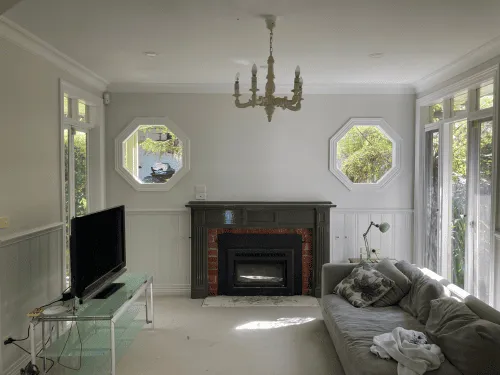
These spaces usually have lower moisture levels and less heavy wear than kitchens or corridors. In many cases, a quality low-sheen acrylic is the safest all-round choice. It gives a soft, modern look, reflects enough light without showing every surface imperfection, and is easier to keep clean than flat paint.

For ceilings, a proper ceiling flat is still the better option. It helps hide minor unevenness and reduces glare from downlights and natural light. Using wall paint on a ceiling can leave a finish that looks too shiny and highlights roller marks.

Hallways and high-traffic areas

Hallways, stairwells and entryways take a beating. Bags brush walls, hands leave marks, and moving furniture often causes scuffs. In these areas, durability and washability matter more than chasing the softest possible finish.

A hard-wearing low sheen or washable matte can work well, depending on the product. Some modern mattes are much tougher than older flat paints, but not all are equal. This is one of those areas where reading the technical details, not just the front label, makes a difference.

Kitchens, laundries and bathrooms

Moisture changes the conversation. You want paint that can handle steam, regular cleaning and the general mess that comes with working rooms. For walls, a moisture-resistant low sheen or semi-gloss is often a safer option than a dead-flat finish.

Bathrooms are especially dependent on ventilation. Even the best coating will struggle if steam sits on the surface day after day. Good prep, mould treatment where needed, and realistic product selection matter more than marketing claims.

Choosing the right finish

A lot of painting problems start with selecting the wrong sheen level. The finish changes not only how the room looks, but how the paint performs.

Flat and matte paints are good at hiding surface imperfections, which makes them useful on ceilings and some older walls. The trade-off is that cheaper versions can mark easily and be harder to wash. Better quality washable mattes close that gap, but they still need the right surface underneath.

Low sheen is the most reliable all-rounder for many interior walls. It has enough durability for everyday use, a clean modern appearance, and less reflectivity than semi-gloss. For most family homes, it is the safest balance between looks and practicality.

Semi-gloss and gloss are tougher and easier to wipe, which is why they are commonly used on trim, doors and skirting boards. They also show more flaws. If the timberwork has dents, patching or poor sanding, a glossier finish will make it stand out.

Why preparation matters as much as paint quality

People often compare brands but skip the part that has the biggest impact on the final result. Surface preparation is what allows good paint to perform properly.

If walls are dusty, greasy, chalky or patched poorly, even premium paint can struggle with adhesion and finish consistency. New plaster needs correct sealing. Stained areas may need spot priming. Hairline cracks, dents and old peeling sections need repair before any topcoat goes on.

This is also where professional advice pays off. A painter is not just bringing paint to the job. They are identifying what the surface needs first so the finish lasts. That matters in older homes, recently repaired walls and properties being prepared for sale or lease.

Premium paint or trade paint?

There is no point paying premium prices for a product that is over-specced for the room. There is also no point saving a small amount on paint if the finish marks easily and needs repainting sooner.

For feature areas, busy family spaces and homes where long-term presentation matters, premium interior paints often earn their keep. They tend to offer better hiding power, smoother application, stronger washability and more consistent finish quality.

Trade-grade or mid-range products can still be the right choice in some situations, especially for lower-traffic areas, investment properties or projects where budget is a genuine constraint. The key is to be honest about expectations. If you want a finish that stands up to years of cleaning and regular use, the cheapest option rarely delivers the best value.

Common mistakes when picking interior paint

One common mistake is choosing by colour card alone. The same colour can look very different depending on the product line, sheen level and the light in the room. North-facing and south-facing spaces do not read the same. What looks warm in the shop can feel flat or too bright once it is on the wall.

Another mistake is assuming all washable paints perform the same way. Some can handle gentle cleaning, while others are designed for far heavier wear. That difference matters if you have children, pets or tenants.

It is also easy to underestimate odour and drying conditions. Fast-drying paint is useful, but if conditions are too cold, too humid or ventilation is poor, the finish may not cure as expected. Dry to touch and fully cured are not the same thing.

So what should most homeowners choose?

For many Australian homes, the safest specification is a quality acrylic interior wall paint in low sheen for general living areas and bedrooms, a dedicated ceiling flat for ceilings, and a tougher enamel or water-based enamel style product for trim and doors. In wet areas and hardworking rooms, step up to products designed for washability and moisture resistance.

That will not suit every property. Heritage homes, architect-designed interiors and high-end renovations can call for more specific systems. Likewise, a rental refresh may need a more budget-conscious approach. The best result comes from matching the product, finish and prep to the condition of the surfaces and the way the property is actually used.

If you are unsure, test patches are worth the effort. They show how the colour sits in your light and how much sheen you are comfortable with. That small step can save a lot of disappointment later.

For homeowners who want a finish that looks right and holds up, the best interior house paint Australia offers is usually the paint that fits the room, the surface and the level of wear – not just the most expensive tin on the shelf. A good paint job should still look good after the furniture is back in place and normal life starts again.