A fresh coat of paint can make a compact apartment feel brighter, cleaner and more considered – but apartment work has a few moving parts that do not apply to a standalone house. This apartment painting guide helps owners, landlords and property managers plan a job properly, from body corporate approvals to choosing finishes that stand up to daily use.
The best result is not simply about finding a colour you like. It comes from careful preparation, the right coating system, clear access arrangements and painters who understand how to work respectfully around neighbours and shared areas.
Start With Your Apartment Rules
Before choosing sample pots, check the rules that apply to your building. Interior painting within your lot is usually straightforward, particularly for walls, ceilings, doors and skirting boards. However, buildings can have specific requirements around contractor access, working hours, lift use, parking, rubbish removal and protecting common property.
If the scope includes an apartment entry door, balcony surfaces, windows, external walls or anything visible from common areas, speak with the owners corporation or building manager first. These elements may be controlled by the building’s by-laws, even where they form part of your apartment.
For rental properties, owners should confirm the work with their managing agent and arrange access with suitable notice. Tenants who would like to paint should obtain written permission before work begins. A clear agreement on colours and scope avoids a difficult discussion at the end of a lease.
Plan the Work Around Access and Daily Living
Apartment painting calls for more coordination than most people expect. A professional team needs practical access for people, tools, paint and protective materials. In a high-rise or tightly managed complex, that may mean booking a loading bay, reserving a lift or working within set hours.
Think about how the work will affect your routine. Painting an occupied apartment can be completed room by room, which allows you to keep essential spaces available. It takes longer than an empty property, but it can be the sensible choice when moving out is not practical. For vacant apartments between tenants or before settlement, painters can generally work more efficiently with unrestricted access.
Furniture also matters. Smaller rooms can become crowded quickly, so moving lightweight items to the centre and covering them is often enough. Larger pieces may need to be moved to another room or placed in storage for the duration. Good planning protects floors, furnishings and built-in joinery while giving painters enough room to achieve clean lines.
Consider ventilation and drying time
Ventilation supports a comfortable working environment and helps coatings dry as intended. Opening windows where safe and practical can help, although weather, building design and security all play a part. On humid Melbourne days, drying times may be longer, while very warm conditions can affect how quickly paint is applied and laid off.
A professional painter will allow for the conditions rather than rushing the process. This is particularly relevant in bathrooms, laundries and kitchens, where moisture resistance and full curing time are important.
Preparation Is Where a Quality Finish Begins
Paint performs best on clean, stable and properly prepared surfaces. It is tempting to focus on the final colour, but preparation has the greater effect on how the job looks and lasts.
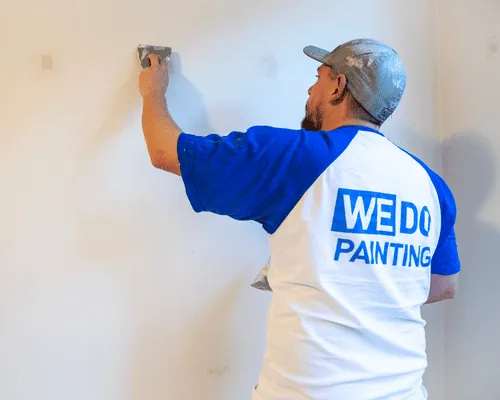
Walls are assessed for scuffs, dents, nail holes, cracks and areas of loose or uneven material. Depending on the condition, the work may include cleaning, sanding, filling, plaster repairs, gap sealing and spot priming. Stains from water, smoke or cooking may need a suitable sealer before top coats are applied, otherwise they can show through a new finish.
Older apartments can need more detailed attention. Previous paint layers, patchy repairs and hairline cracking are common, particularly around doors, windows and ceiling joins. The right approach depends on the cause and condition of the surface. Applying more paint without correcting the underlying issue may improve the appearance briefly, but it will not deliver the standard expected from a professional job.
Preparation also extends to protection. Floors, benchtops, appliances, cabinetry, switches and fittings should be carefully masked and covered. In apartment buildings, the route from the entry to the lift or loading area deserves the same care. Respect for shared spaces is part of professional workmanship.
Choose Colours That Suit the Space, Not Just the Sample
Colour samples look different between a paint shop, an apartment wall and a mobile screen. Natural light, window direction, neighbouring buildings, artificial lighting and the surrounding finishes can all change what you see.
For smaller apartments, lighter neutrals are often a reliable starting point because they reflect available light and connect rooms visually. That does not mean every room needs to be white. Warm off-whites, soft greys, muted greens and earthy tones can add character without making the space feel closed in.
Stronger colours can work well on a feature wall, in a study nook or inside a bedroom where a more intimate feel is welcome. The trade-off is that bold shades may limit appeal when selling or leasing. If the property is an investment, a broadly appealing palette is usually the safer option. If it is your long-term home, personal preference should carry more weight.
Test sample colours on more than one wall and look at them morning, afternoon and evening. Check them beside flooring, tiles, cabinetry and curtains. A colour that looks calm under showroom lights can appear much cooler or darker once it is surrounded by your existing finishes.
Match the sheen level to the room
Sheen is just as important as colour. Flat or low-sheen finishes are popular on walls because they give a refined look and reduce the visibility of minor surface variation. Washable low-sheen products are a practical choice for living areas, hallways and bedrooms where everyday marks are likely.
Semi-gloss or gloss coatings are generally better suited to doors, trims and skirting boards. They are durable and easier to clean, although higher sheen levels show imperfections more readily. Kitchens, bathrooms and laundries need coatings selected for moisture and regular cleaning. Ceiling paint should remain appropriately low sheen to avoid drawing attention to light reflections overhead.
Do Not Overlook Doors, Trims and Repairs
Walls make the biggest visual change, but doors, architraves, skirting boards and window trims frame the entire result. Fresh wall paint beside worn or yellowed trims can make those surfaces stand out for the wrong reason.
Painting trims adds time and cost, yet it often gives an apartment a more complete finish. For a rental refresh, walls and touch-ups may be enough. For an owner-occupied renovation, sale preparation or a higher-end tenancy, including the full paintwork usually presents better value.
This is also the right time to assess practical repairs. Damaged plaster, loose timber trim, sticking doors or worn sealant can affect both appearance and function. Coordinating painting with minor repair work is usually more efficient than arranging separate trades after the paint is complete.
Get a Clear Scope Before Accepting a Quote
A useful painting quote should describe more than a total price. It should make clear which rooms and surfaces are included, what preparation is allowed for, the number of coats, the paint system, access arrangements and any exclusions. If repairs are required, ask whether they are included as an allowance or priced after inspection.
Price matters, particularly when managing an investment or commercial budget, but the lowest figure does not always reflect the same level of preparation, protection or materials. Compare like with like. A detailed scope gives you a fair basis for doing that and helps prevent surprises once the work is underway.
For occupied apartments, also ask how the team will manage furniture, daily clean-up, communication and access. Reliable painters keep you informed about what is happening each day, especially where work needs to be staged around tenants, building rules or busy households.
A Better Apartment Finish Starts With a Practical Plan
Painting an apartment is one of the most effective ways to improve presentation, protect interior surfaces and maintain property value. The right plan accounts for building requirements, surface condition, colour, access and how the space is used – not just the square metres on a floor plan.
For Melbourne apartment owners and property managers who want the job handled with care, WE DO Painting can assess the scope, complete necessary repairs and deliver a clean, professional finish with minimal disruption. Start with a clear conversation about your building, your timeframe and the result you want to see when the last sheet is lifted.