Factory Painter Melbourne: What Good Work Looks Like

Factory Painter Melbourne: What Good Work Looks Like

Need a factory painter Melbourne businesses can rely on? Learn what an industrial paint job includes, from preparation to safe, lasting finishes on site.

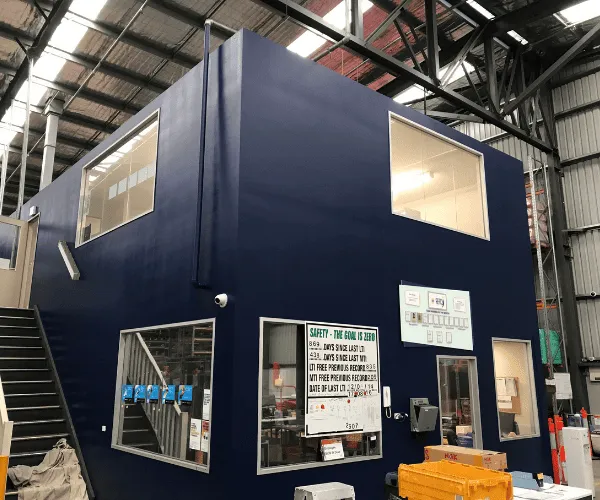
A factory painter Melbourne facility managers can depend on does more than apply a fresh coat of paint. Industrial painting is about protecting working surfaces, presenting a professional site and planning work around production, staff and safety requirements. The finish matters, but so does the preparation behind it, the paint system selected and the way the work is managed from quote to completion.

Factories work hard. Forklifts, trolleys, machinery, dust, moisture, heat and regular cleaning all take their toll on walls, floors, steelwork and external cladding. A quality painting program helps keep those surfaces easier to maintain while giving clients, contractors and staff a better impression of the business.

What a Factory Painter in Melbourne Should Handle

No two industrial sites have the same needs. A food production facility, warehouse, automotive workshop and manufacturing plant each present different surface conditions, access challenges and operating hours. That is why a proper site inspection should come before a price is confirmed.

A professional contractor will assess the condition of the substrate, identify any repair work required and discuss which areas need priority. This may include internal walls and ceilings, offices and amenities, exterior cladding, loading areas, bollards, handrails, structural steel, plant rooms and factory floors.

The goal is not to specify the most expensive coating for every surface. It is to use the right product and preparation method for the environment. A standard office wall within a factory may need a practical washable finish, while steel exposed to weather or high-contact work zones may require a more specialised protective coating.

Good advice also considers how the site is used. Areas that are regularly cleaned, exposed to chemical splashes or subject to heavy traffic need a finish that can cope with those conditions. Choosing purely on colour or upfront cost can create unnecessary maintenance pressure later.

Preparation Is Where Industrial Paint Jobs Are Won

Paint performs only as well as the surface beneath it. This is particularly true in factories, where surfaces can collect dust, oils, residue and airborne contaminants over time. Applying paint over an unprepared surface may look acceptable at first, but it rarely delivers the long-term result a facility needs.

Preparation can involve cleaning, degreasing, sanding, scraping loose material, patching damaged plaster, treating corrosion on metalwork and priming bare areas. The exact process depends on the substrate and coating system. Concrete, plasterboard, galvanised steel, masonry and previously painted surfaces all need a different approach.

For factory floors, preparation is especially important. Surface moisture, old coatings, traffic loads and the intended use of the area should be checked before work begins. A floor coating for a pedestrian storeroom is not necessarily suitable for a zone used by forklifts or pallet jacks throughout the day.

This part of the job can feel slower than painting itself, but it protects the value of the whole project. It also gives the contractor a chance to address minor repairs before they become more disruptive and costly.

Planning Work Around Your Operations

Many factory operators cannot simply stop work for several days while painting takes place. Production schedules, deliveries, shift changes and staff access all need to be considered. A reliable painter plans the project around the realities of the site rather than expecting the site to work around them.

That may mean completing the job in stages, isolating one section at a time or scheduling work outside normal operating hours. In some cases, a weekend or shutdown period is the most practical option. In others, work can continue safely in nearby areas with clear separation and tidy site controls.

Before work starts, the scope should be clear. You should know which areas will be painted, what repair work is included, how access will be managed and what level of site protection is required. Clear communication prevents confusion, particularly when several people are responsible for facilities, operations and safety.

A good contractor will also keep the work area orderly. Covering equipment where required, controlling dust from preparation and removing rubbish as work progresses helps reduce disruption. These details matter when a facility remains operational during the project.

Choosing Colours and Finishes for a Working Factory

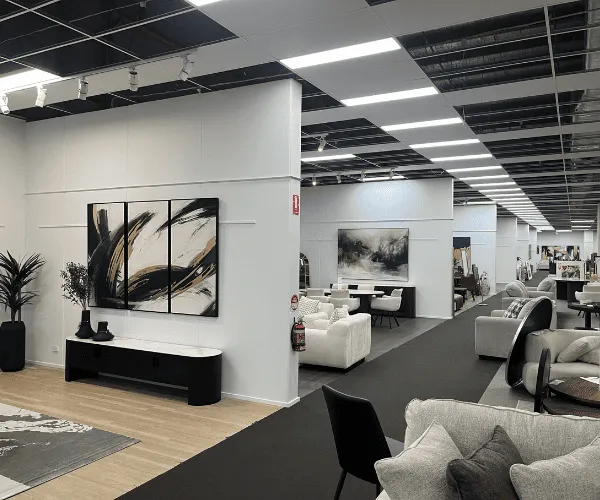
Factory painting is practical, but that does not mean the appearance should be an afterthought. Clean, consistent colours can make a workplace feel brighter, more organised and more professional. They can also support clear visual separation between office spaces, production zones, walkways and amenities.

Lighter colours are often useful in large internal areas because they improve the sense of brightness and can help make dirt or damage easier to spot. Darker tones may suit high-contact areas where marks are more likely. The best choice depends on available natural light, existing branding, maintenance expectations and the type of work carried out on site.

Finish selection matters too. A low-sheen or washable finish may be suitable for offices and lunchrooms, while tougher coatings may be needed in workshops, plant rooms and loading areas. Exterior paint systems need to account for Melbourne weather, including strong sun, rain and changing temperatures.

If your building includes customer-facing areas, the paintwork should reflect the standard of your business. Reception areas, showrooms and staff spaces are often the first parts of a site visitors see. Bringing these areas up to the same standard as the operational sections creates a more consistent property overall.

Maintenance Painting Protects More Than Appearance

Waiting until every surface looks tired can make industrial painting more complicated than it needs to be. A planned maintenance approach allows facilities to address smaller areas at suitable times, keeping the building presentable without requiring one large, disruptive project.

Maintenance painting can focus on high-use zones, external steel, safety rails, amenities, offices or sections exposed to regular wear. It also makes budgeting easier because work can be prioritised across the year or aligned with planned shutdowns.

For property managers, this approach supports asset value and helps keep tenants or operators satisfied. For business owners, it provides a practical way to maintain a safe, professional environment for staff and customers. The right plan depends on the building, the nature of the work and how much downtime is available.

Questions Worth Asking Before You Accept a Quote

A detailed quote gives you a better basis for comparing contractors. Price is important, but it should not be the only deciding factor. A low figure can leave key preparation, repairs or access requirements unclear.

Ask what surface preparation is included, which coating products are proposed and how the contractor will manage work around operations. It is also reasonable to ask about the expected sequence of work, drying times, access equipment and clean-up arrangements.

You should also confirm whether the quote includes minor repairs or whether these will be identified separately after inspection. Factories often have a mix of surface conditions, so transparent communication on this point avoids surprises once work begins.

The best quote is one that clearly explains what will be done and why. It gives you confidence that the contractor has understood the site, not simply measured the walls and offered a generic price.

Get the Job Done Properly

A factory is a working asset, not just a building. Its paintwork needs to support daily operations, stand up to demanding conditions and reflect the standards of the business inside it. With experienced preparation, suitable products and sensible scheduling, industrial painting can improve both the look and practical upkeep of your facility.

WE DO Painting provides professional painting, repair and maintenance services for factories, commercial properties and industrial sites across Melbourne. Start with a clear site assessment and a scope that works around your operations, then give your facility the finish and protection it needs to keep working hard.