Protective Coatings That Keep Surfaces Working

Protective Coatings That Keep Surfaces Working

Protective coatings help Melbourne properties resist moisture, sunlight and wear. Learn how the right system protects finishes and maintenance budgets.

A surface can look freshly painted and still be poorly protected. The difference often comes down to what sits beneath the visible finish, how the surface was prepared, and whether the coating system suits the conditions it faces. Protective coatings are designed to do more than improve colour. They help homes, commercial buildings and industrial facilities stand up to moisture, UV exposure, dirt, abrasion and everyday use.

For property owners, choosing the right system can reduce avoidable maintenance, keep an asset looking professional and help surfaces last longer. The right answer is not always the toughest or most expensive product. It is the coating system that matches the material, location and working conditions.

What protective coatings actually do

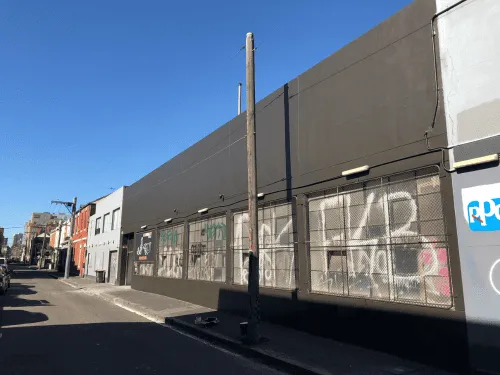
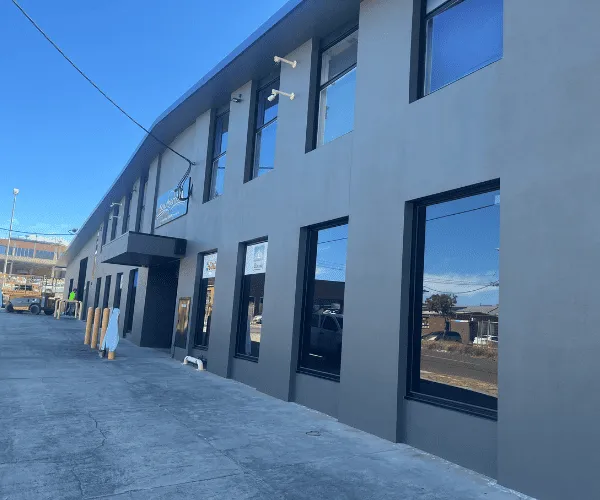
A protective coating creates a barrier between a surface and the elements that can damage it. On a weatherboard home, that may mean managing harsh sun and rain. On a commercial shopfront, it may mean coping with hand marks, regular cleaning and foot traffic around doors and walls. In an industrial setting, it can involve resistance to chemicals, moisture, heat or mechanical wear.

Paint is often part of a protective coating system, but the full system matters. This includes surface preparation, primers, undercoats, topcoats and correct drying time between coats. A quality topcoat cannot compensate for contamination, loose material, bare areas or an unsuitable primer underneath it.

Good coatings also make ongoing upkeep more manageable. A properly finished surface is generally easier to clean, inspect and maintain before small issues become major repairs. That matters for homeowners protecting a long-term investment and for facility managers trying to control maintenance costs across multiple sites.

Choosing protective coatings for the surface

The first question is simple: what is being protected? Different substrates behave differently, and each needs compatible preparation and products.

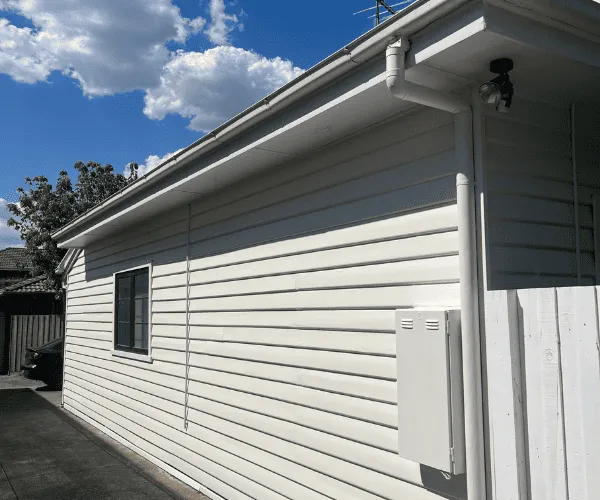
Timber moves as temperatures and moisture levels change. Exterior timber needs a flexible coating system that can handle this movement while resisting weather exposure. Areas around windows, fascia boards, decks and external cladding deserve particular attention because they are often exposed to water and strong sunlight.

Masonry, render and concrete are durable materials, but they can still take on moisture and collect dirt. Coatings for these surfaces need to allow the building material to perform as intended while providing a clean, even finish. In some situations, a breathable system is the sensible choice. In others, a more specialised protective layer may be needed, particularly where damp conditions or heavy use are involved.

Metal needs a different approach again. Steel, gates, balustrades, warehouse frames and external fixtures can be affected by corrosion if the coating system is not properly matched to the substrate. Thorough cleaning, removal of corrosion and an appropriate primer are critical before topcoats are applied. Skipping these stages may save time at the start, but it usually creates more work later.

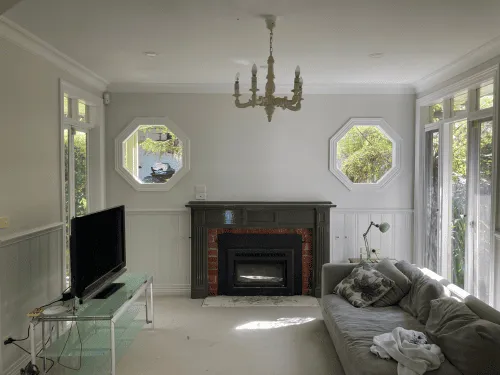
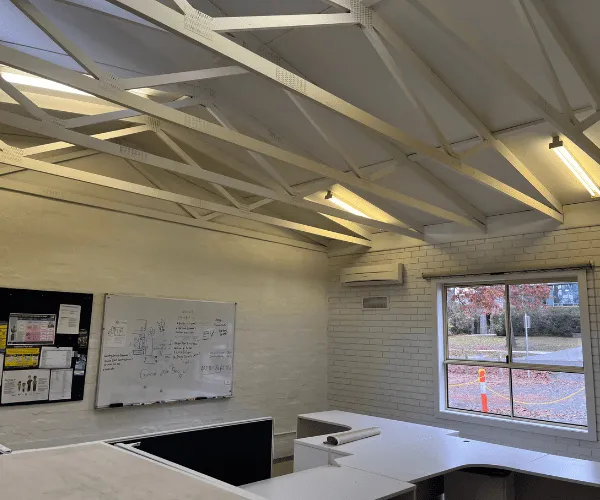
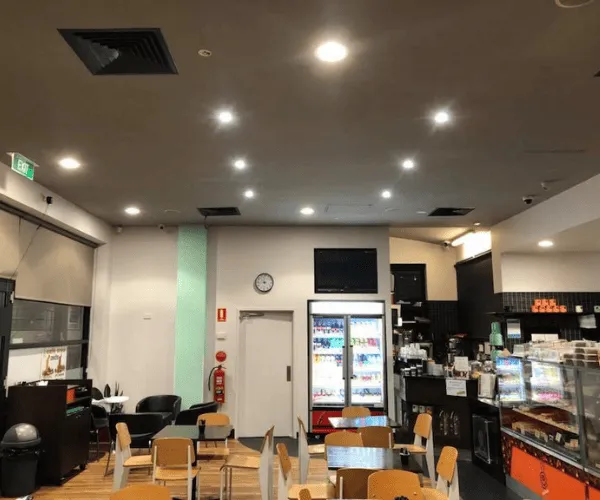
Plasterboard and previously painted internal walls are less exposed to weather, yet still benefit from the right finish. In busy homes, offices, schools and retail spaces, washable coatings can help walls stay presentable between maintenance visits. High-traffic areas may need a tougher finish than a low-use bedroom or meeting room.

Exposure matters as much as material

Two surfaces made from the same material may need different treatment. A north-facing exterior wall in Melbourne can experience far more UV exposure than a shaded wall. A bathroom ceiling faces humidity, while a warehouse wall near a loading area may deal with scuffs and impact. Coastal or high-moisture environments place different demands on metalwork than protected inner-suburban locations.

This is why a site inspection is valuable. It allows the painter to assess the surface, existing coating condition, exposure and use before specifying a system. Selecting a product from a colour chart alone is not enough.

Preparation is where protection starts

Most coating failures start before the first coat goes on. Proper preparation is not an optional extra. It is the foundation of a finish that adheres well and performs as expected.

Preparation may include washing down surfaces, removing built-up dirt, treating mould where required, sanding rough areas, filling cracks, repairing damaged plaster and addressing timber or carpentry issues. Metal may need corrosion treatment, while bare or repaired sections usually need priming before the finishing coats are applied.

The goal is to create a clean, sound and even surface. It also helps the final colour look consistent. When preparation is rushed, the finished job can look uneven and may not provide the protection the client expected.

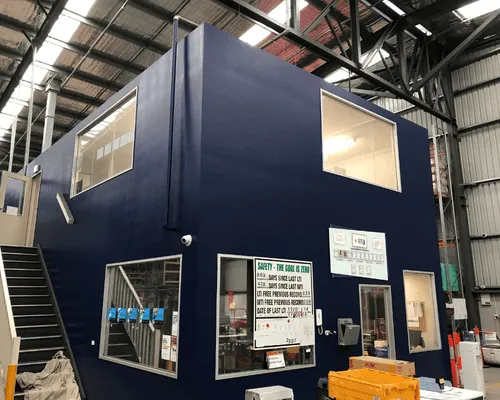
For commercial and industrial work, preparation also needs to fit around site operations. Access restrictions, safety requirements, public areas and work hours all affect how a project is planned. An experienced contractor will organise the work to minimise disruption without cutting corners on the steps that protect the finish.

When a standard paint system is enough – and when it is not

Not every project needs a specialised industrial-grade product. For many internal residential walls, a quality low-sheen acrylic system with the right preparation will provide excellent appearance and practical durability. The key is using a finish suited to the room and its level of use.

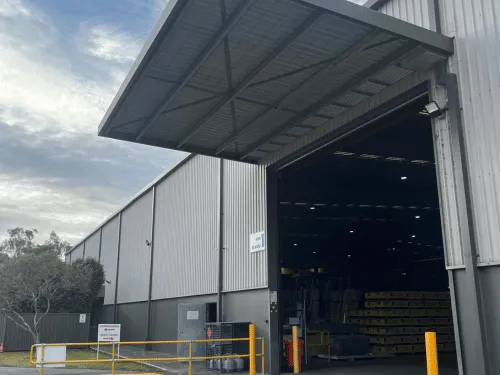
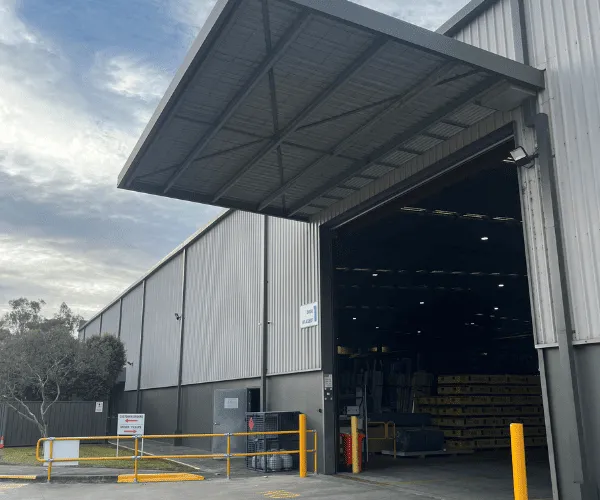
Specialised coatings become more relevant where the conditions are demanding. This can include factory floors, metal structures, commercial kitchens, plant rooms, car parks, warehouses, exterior timber exposed to severe weather and surfaces that need frequent cleaning. In these cases, factors such as chemical resistance, slip resistance, heat tolerance or abrasion resistance may influence the specification.

There is a trade-off. Higher-performance systems can involve more preparation, longer curing periods and a greater upfront cost. They are worthwhile when the surface needs that level of protection. On the other hand, applying an overly complex system to a low-demand area can add cost without delivering a practical benefit.

A professional recommendation should be based on the job, not a one-size-fits-all product choice.

Protecting exterior surfaces in Melbourne

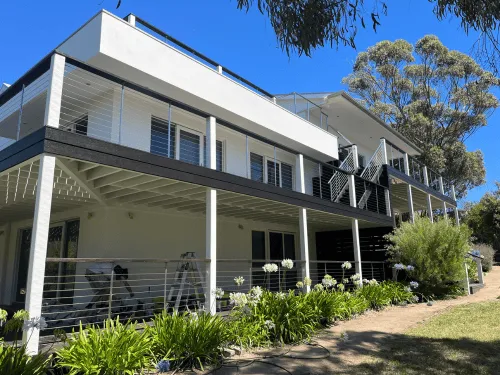
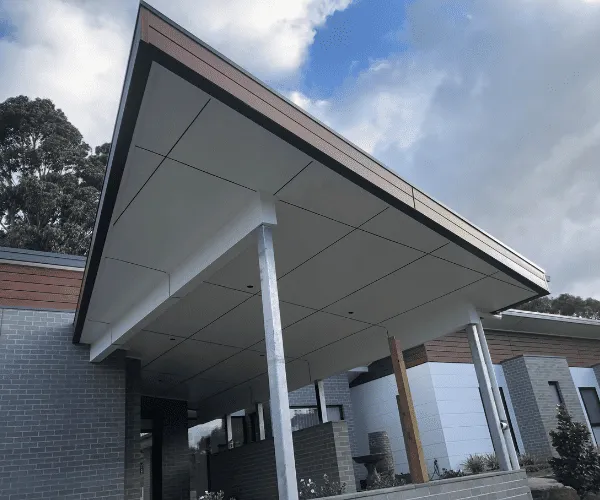
Melbourne weather can place exterior finishes under real pressure. Hot sun, rain, wind and changing temperatures can all affect paintwork over time. Exterior protective coatings need to be selected with the building material and orientation in mind, then applied in suitable weather conditions.

Rooflines, eaves, fences, weatherboards, rendered walls and external metalwork all have their own maintenance needs. Regular inspections are a practical way to stay ahead of issues. Look for fading, cracking, staining, water marks, corrosion or areas where the coating no longer appears sound. Early attention is usually simpler than leaving damage to spread.

Gutters, downpipes and drainage should also be kept in good working order. Even the best coating system cannot solve a persistent water problem caused by blocked drainage or a building defect. Painting and maintenance work should support a sound building, not hide an underlying issue.

A maintenance plan protects the investment

Protective coatings perform best when they are maintained rather than forgotten. For a home, this may mean a visual check each year and cleaning exterior surfaces as needed. For commercial properties, planned maintenance can be scheduled around trading periods, tenant changes or annual facilities budgets.

Industrial facilities often benefit from a more structured approach. High-use areas can be checked regularly for damage, corrosion, contamination or wear, then repaired before the surrounding coating system is affected. This helps maintain safety, presentation and asset value while avoiding unexpected downtime.

Keep records of the products used, colours, finish levels and dates of application. This makes future touch-ups and maintenance more efficient, especially for property managers responsible for multiple spaces.

Getting the coating system right

A good protective finish is not just about choosing a durable paint. It is about understanding the surface, carrying out repairs and preparation properly, selecting compatible products and applying them with care. That is where experienced painting contractors add real value.

WE DO Painting helps Melbourne homeowners, businesses and facilities choose practical coating solutions that suit the job, the budget and the condition of the property. A clear assessment at the start gives you a better chance of a finish that looks right now and continues to work hard long after the painters have packed up.