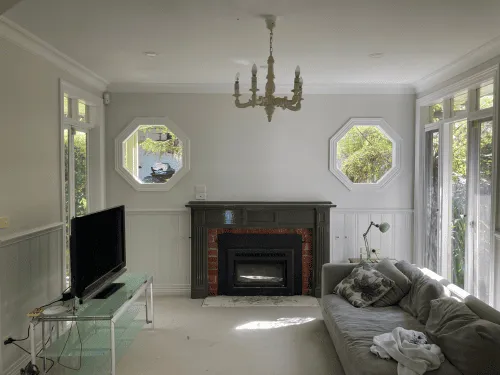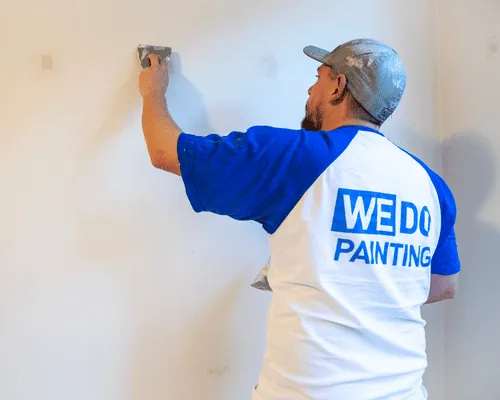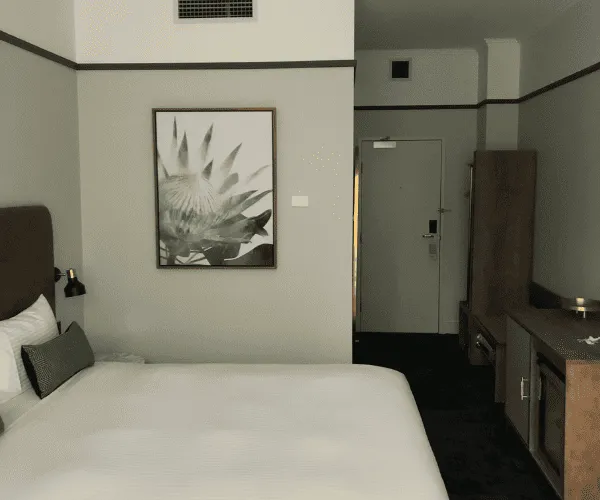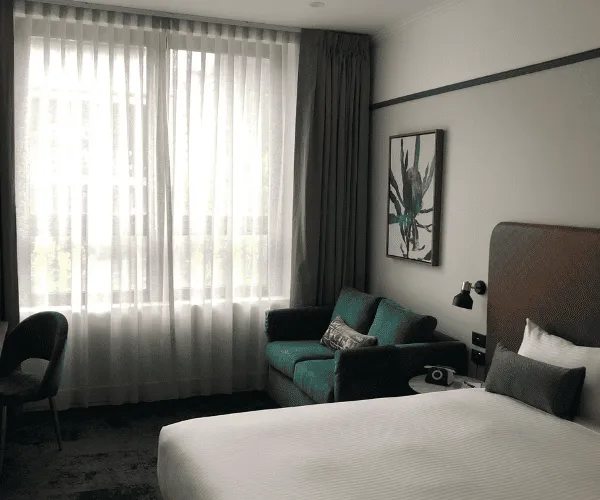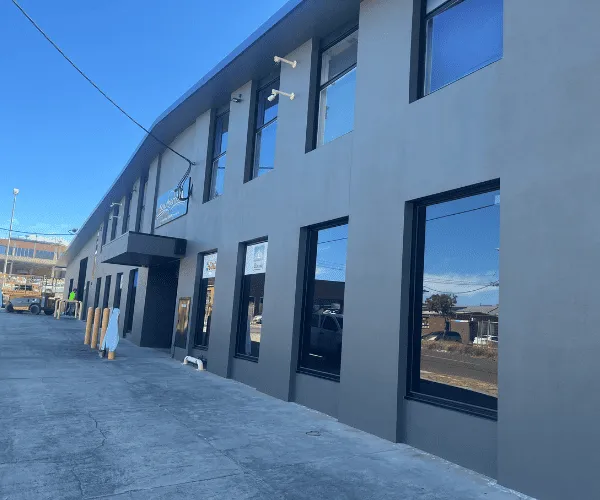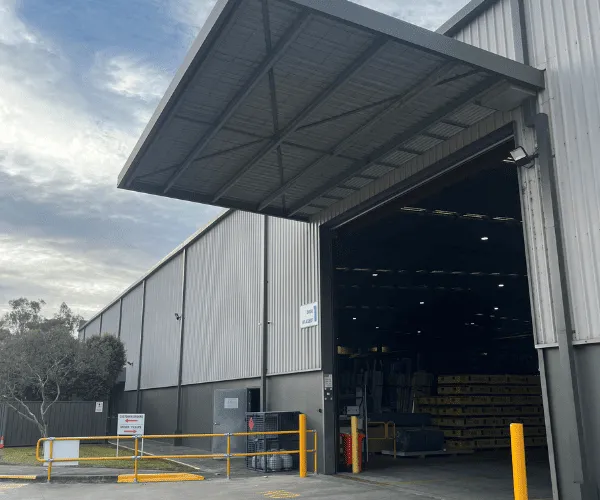
A beautiful renovation can create a hidden problem when old paint is sanded, scraped or disturbed without the right controls. This lead paint safety guide is for Melbourne homeowners, property managers and business owners planning work on older buildings – particularly where paintwork has been in place for decades. The risk is not just the coating itself. Fine dust can settle on floors, window sills, gardens and furniture, where it can be easily picked up by children, pets and workers.
Lead paint needs a careful, practical response. You do not need to panic or assume every older painted surface is dangerous, but you should treat unknown paint in an older property with caution before any preparation or repair work begins.
Why lead paint needs a different approach
Lead was commonly used in household paints for its durability and strong colour properties. In Australia, its use in domestic paint was restricted from the 1960s, but homes and buildings constructed before 1970 may still contain lead-based coatings under newer layers of paint.
When paintwork is intact and left undisturbed, the immediate risk is generally lower. The concern rises when surfaces are sanded, dry-scraped, drilled, demolished or damaged. These activities can release lead-containing dust that is too fine to notice but can remain in an area long after the work has finished.
Children under six are particularly vulnerable because they spend more time close to the ground and may put hands or objects in their mouths. Pregnant people, workers carrying out preparation, and anyone regularly exposed to dust also deserve extra protection. For commercial and industrial property managers, the same principle applies: work areas need to be properly controlled so occupants, staff and contractors are not exposed.
Lead paint safety guide: start with the age and condition of the property
The building’s age is a useful first indicator, but it is not a test. If your home, shop, office or facility was built before 1970, assume lead may be present in original paint layers until you have clearer information. Pay close attention to windows, doors, skirtings, stair rails, verandahs, weatherboards, sheds, fences and older external trim. These are surfaces that often receive repeated coats over many years.
Condition matters too. Paintwork that is cracked, chalky, worn by friction or affected by water damage is more likely to create dust or fragments. Window frames and doors deserve special attention because opening and closing them can grind painted surfaces together.
Before arranging painting, carpentry, plaster repairs or maintenance, tell your contractor the age of the building and any history you know. A good contractor can then assess the scope of work and decide whether testing, containment or a specialist lead-safe process is required.
Testing gives you a clearer decision
Professional laboratory testing of a paint sample is the most reliable way to confirm whether lead is present. Screening kits may be available, but their usefulness can vary depending on the coating, sample preparation and the person using them. They should not be treated as a full risk assessment for a major project.
Testing is particularly worthwhile when work involves a large painted area, extensive preparation, high-friction surfaces, heritage features, or a property occupied by young children. It can also prevent unnecessary disruption. If lead is not detected, the work plan may be simpler. If it is present, you can budget for the right controls instead of finding out halfway through a job.
Do not create dust before you have a plan
The most common mistake with older paint is starting preparation too quickly. A quick pass with a power sander, dry scraping an old window frame, or using high-pressure methods on external surfaces can spread contamination well beyond the immediate work zone.
Avoid dry sanding, abrasive blasting, burning or heat stripping old paint unless the work is being managed by appropriately trained professionals with suitable controls. Ordinary household vacuum cleaners are also not designed to collect hazardous fine dust safely. Sweeping can simply move dust back into the air.
For a very small, low-risk touch-up, the safest choice may be to leave sound paint in place and apply a compatible coating over it after careful cleaning and preparation. Whether this is suitable depends on the surface condition, the intended use of the area and the manufacturer’s coating advice. Covering old paint is not a shortcut for every situation, but it can be a sensible option where the existing surface is stable and does not need major repair.
Set up the work area properly
Lead-safe work is as much about containing dust as it is about applying paint. The aim is to keep dust out of living spaces, neighbouring areas, gardens and drainage points, then clean the area thoroughly once the work is complete.
For internal work, furniture and belongings should be moved out where possible or fully covered. Floors need durable protective sheeting, and doorways or openings may need to be sealed to limit dust travel. Occupants, particularly children and pets, should stay away from the work area until cleaning is complete.
External work requires its own planning. Ground covers can help collect debris, while windows and doors should remain closed near the work zone. Consider nearby vegetable gardens, outdoor play areas, air-conditioning units and neighbouring properties. Wind can quickly turn poor preparation into a much larger clean-up job.
Professional painters should use methods that minimise dust, maintain a tidy site and manage waste carefully. The exact controls depend on the project. A small section of external trim is different from full house preparation, and a vacant commercial site is different from an occupied childcare facility. The right approach is based on the task, the building and the people who use it.
Cleaning is part of the safety work
A clean-looking room is not always a clean room. Fine dust can settle in corners, on window sills, under furniture and across nearby surfaces. That is why end-of-job cleaning needs to be deliberate, not rushed.
The work area should be cleaned using suitable wet-wiping methods and equipment designed for fine dust collection where required. Protective sheeting should be handled carefully so dust is not released during removal. Waste, used cloths and debris need to be contained and disposed of in line with local requirements.
If work has occurred in a home with small children, speak with your contractor about the cleaning process before the job starts. You want a clear answer on how the area will be contained, cleaned and checked before the family returns to normal use of the space.
Choosing the right contractor for older paintwork
The cheapest quote is not always the best value when lead may be involved. Ask direct questions about how the contractor approaches older coatings, dust control and site clean-up. A professional should explain the proposed method in plain language, including what preparation will happen, how occupants will be protected and whether any specialist testing or services are needed.
It is also worth confirming who is responsible for moving furniture, protecting gardens, managing access and removing waste. For property managers, include these details in the scope before work begins. Clear expectations reduce delays and help keep tenants, staff and trades on the same page.
At WE DO Painting, careful preparation and practical site management are part of delivering a quality finish. For older Melbourne properties, a proper inspection before painting or repair work can help identify the safest, most efficient path forward.
Keep future maintenance simpler
Once older paintwork has been assessed and maintained correctly, keep records of testing, areas treated and any recommended future work. This is useful for homeowners and especially valuable for commercial sites, strata properties and rental portfolios where multiple people may manage the building over time.
Regular maintenance also reduces the chance of small defects becoming major preparation work later. Check high-use surfaces, exterior joinery and areas exposed to moisture. Addressing issues early can often limit the amount of disturbance needed.
The practical message is straightforward: if your property is old enough to contain lead paint, pause before preparation starts. Ask the right questions, use the right controls and choose people who will treat your property and its occupants with care. Good painting work should improve a space without creating a problem behind the finish.