Why Carpentry Repairs Before Repainting Matter

Why Carpentry Repairs Before Repainting Matter

Carpentry repairs before repainting protect timber, improve paint adhesion and help Melbourne homes, businesses and facilities look finished for longer.

A fresh coat of paint can sharpen up a tired façade or brighten an interior quickly, but paint cannot make damaged timber sound. Carpentry repairs before repainting deal with the faults beneath the old finish, so the completed job looks cleaner, lasts longer and protects the building properly.

For Melbourne homeowners, property managers and business operators, this is often the difference between a cosmetic touch-up and maintenance that genuinely holds up. Fascia boards, window frames, weatherboards, door trims and eaves all face daily wear from moisture, sun, movement and general use. If they are loose, split or affected by decay, painting straight over them only delays the real work.

Why carpentry repairs before repainting save trouble

Paint is a protective coating, not a structural repair material. It needs a stable, clean and properly prepared surface to bond well. When timber has moved, cracked, softened or come away from its fixings, the paint film cannot correct the issue underneath.

Small defects also tend to grow. A gap around a window frame can allow water behind the painted surface. A damaged fascia can expose adjoining areas to moisture. A loose external trim may rattle, shift and create uneven paint lines. Attending to these details before painting helps protect the surrounding structure and avoids a finish that looks worn before its time.

The value is not only practical. Straight timber edges, secure trims and sound joinery give painters the right base for neat cutting-in and consistent coverage. On a home, that improves street appeal. In a shop, office or facility, it supports the professional appearance clients, tenants and staff notice.

What should be checked before painting begins

A proper inspection looks beyond obvious holes or broken boards. Exterior timber deserves close attention around rooflines, windows, doors, decks, gates and areas close to gardens or paving, where water can sit or splash back. Internally, skirting boards, architraves, door jambs, window reveals and timber mouldings often show the effects of knocks, damp patches or everyday traffic.

Warning signs worth assessing include:

  • timber that feels soft, rough or unstable when gently pressed
  • visible splits, open joints, gaps or missing sections of trim
  • loose nails, screws or boards that have shifted out of line
  • water staining near windows, eaves, bathrooms or external doors
  • damaged corner boards, fascia, weatherboards or door frames

Not every mark requires major carpentry work. A shallow surface imperfection may be suitable for filling and sanding as part of paint preparation. A board with significant decay, movement or loss of strength needs a more substantial repair. The right approach depends on the condition of the timber, where it sits on the property and how exposed it is to weather or use.

Repair first, then prepare the surface

Good painting preparation begins with making the substrate sound. That may mean securing loose boards, repairing damaged sections of timber, renewing failed sealant around openings, adjusting trims or addressing sections affected by water entry. The aim is to create a firm, even surface before any primer or topcoat goes on.

Once the carpentry work is complete, the repaired area needs time to settle and dry where required. It can then be cleaned, sanded, filled where appropriate and primed with a coating suited to the material and exposure. These stages matter because fresh paint applied too early, or over dusty and uneven repairs, can compromise the final result.

Exterior work has another consideration: weather. Melbourne conditions can change quickly, and damp timber or rain during preparation can affect both repair and coating stages. A professional schedule allows for suitable drying conditions rather than rushing paint onto a surface that is not ready.

Windows, fascia and weatherboards need extra care

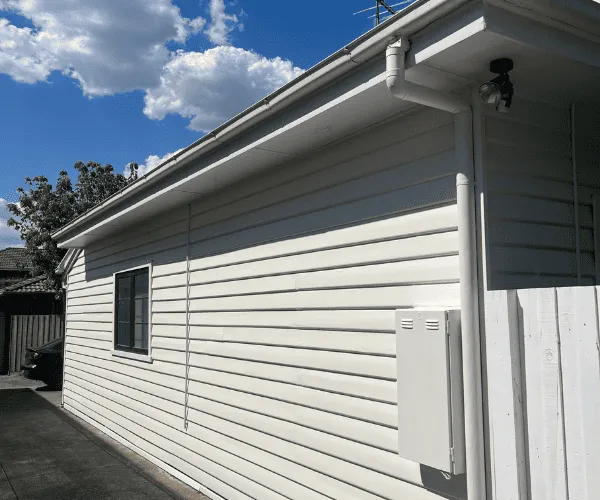
These areas are often high priorities because they sit at the building envelope. Window frames and surrounding trims need sound joins and effective sealing to help keep water out. Fascia boards and eaves are exposed to rain and roof runoff, while weatherboards need correct alignment and secure fixing for an even finish.

A paint job may reveal these weaknesses more clearly if they have not been addressed first. Conversely, well-completed repairs allow paint to form a consistent protective layer across edges, joins and faces. The result is a cleaner appearance and a stronger first line of defence against the elements.

The trade-off between a quick paint job and proper maintenance

It is understandable to focus on the visible result and the immediate budget. Painting over minor faults can appear cheaper at the outset, especially where a property needs to be presented quickly for sale, lease or reopening. However, if timber damage continues underneath, future work can become more involved and disrupt the property again.

Proper repairs can add time and cost to a project, but they also give the painting work a sound foundation. For rental properties and commercial sites, planning repairs and painting together can reduce repeat call-outs and make maintenance easier to manage. For homeowners, it helps preserve the character and condition of the property rather than simply covering defects.

There are cases where a full repair program is not necessary. If a building has isolated, superficial marks and the timber remains stable, targeted preparation may be enough. The key is an honest assessment. The work should suit the condition of the property, not be over-scoped or underdone.

Why one coordinated team makes a difference

When carpentry repairs and painting are coordinated as one project, the sequence is clearer. Repair work is completed first, surfaces are prepared properly, and the painter can select primers and coatings that suit the finished substrate. It also means fewer handovers, clearer communication and less chance of one stage affecting another.

This is particularly useful for strata properties, busy family homes, retail spaces and workplaces where access, timing and disruption need to be managed carefully. A contractor can identify repair needs during the quoting stage, explain what is required and plan the work around occupants or trading hours where practical.

At WE DO Painting, painting and related repair work are approached as part of the same outcome: a property that looks right and is maintained properly. Whether the job involves a few damaged exterior trims or broader preparation before a repaint, clear advice upfront helps prevent surprises once work is underway.

Planning your repaint with confidence

Before booking a repaint, walk around the property and take note of any timber that looks uneven, loose, stained or exposed. Check the areas you may not see every day, including upper fascia, side gates, external window frames and timber near wet areas. Photos can be useful when requesting a quote, particularly for property managers coordinating maintenance remotely.

During an on-site assessment, ask what needs repair, why it needs attention and how it will be prepared before painting. A clear scope should distinguish between surface preparation and carpentry work, so you understand the condition of the substrate and the expected finish.

The best repaint begins before the first brush or spray gun is used. Give the timber the attention it needs first, and the final paintwork has every chance to look sharp, protect the property and keep doing its job well after the crew has packed up.