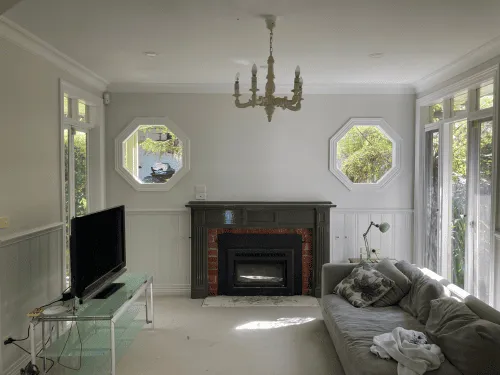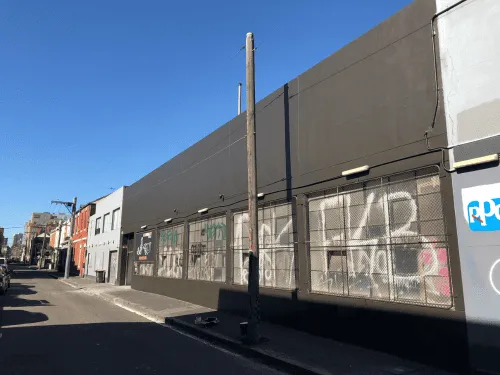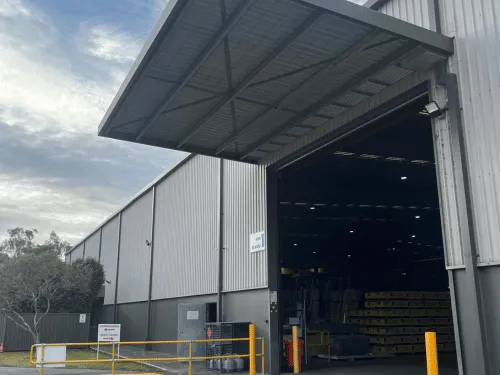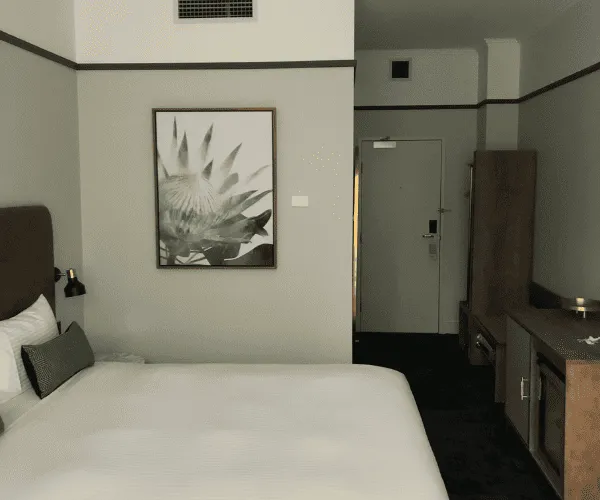
A fresh coat of paint can change the feel of a room, lift a tired façade or make a business premises look ready for customers again. But the result depends on far more than choosing the right colour. Good painting contractors bring planning, preparation and reliable workmanship to every stage of the job.
For homeowners, property managers and business owners, the right contractor protects the surfaces you already have while delivering a finish that looks clean and lasts. The difference is often visible in the details: straight cutting-in, careful repairs, tidy work areas and clear communication from quote to completion.
Painting Contractors Should Start With the Surface
Painting is only as good as the surface beneath it. A contractor who arrives ready to apply paint without properly assessing the walls, ceilings, timber, metalwork or exterior cladding is taking a shortcut that can affect the finish and its lifespan.
A proper assessment identifies what needs attention before painting begins. This may include cracks in plaster, dents, water marks, loose paint, worn timber, gaps around trims or damaged areas that need carpentry work. In commercial and industrial settings, it can also involve checking high-traffic zones, safety requirements, access needs and the condition of protective coatings.
Preparation is not the glamorous part of a painting project, but it is where quality is built. Surfaces may need cleaning, sanding, filling, patching, sealing or priming so the new coating has a sound base. The correct process depends on the material, its existing condition and the paint system being used.
A professional contractor should explain this work in plain language. You do not need a technical lecture, but you should know what is being prepared, why it matters and whether repair work is included in the quote.
A Clear Quote Avoids Problems Later
The lowest quote is not always the best value. A price that looks attractive at first can leave out important preparation, repairs, paint quality, access equipment or the number of coats required. Those omissions often become costly discussions once the work is underway.
A useful quote sets clear expectations. It should describe the areas to be painted, the surface preparation involved, the coating system, the finish, and any repair work included. It should also make clear whether furniture moving, protection of floors and landscaping, rubbish removal, elevated access or work outside normal business hours are part of the scope.
There are situations where pricing cannot be final until closer inspection. For example, an older exterior may reveal timber damage once preparation starts, or a commercial site may require additional access arrangements. That is reasonable, provided the contractor raises the issue promptly, explains the options and gets approval before carrying out extra work.
For property managers, a detailed quote is especially helpful because it creates a record that can be shared with owners and tenants. For business operators, it makes budgeting and scheduling easier. Clear scope means fewer surprises for everyone involved.
The Right Paint System Fits the Job
Paint is not one-size-fits-all. Interior living areas, wet areas, external weatherboards, rendered walls, shopfronts, warehouses and metal structures all face different conditions. Selecting the right product is part of a contractor’s job, not something a customer should be left to guess.
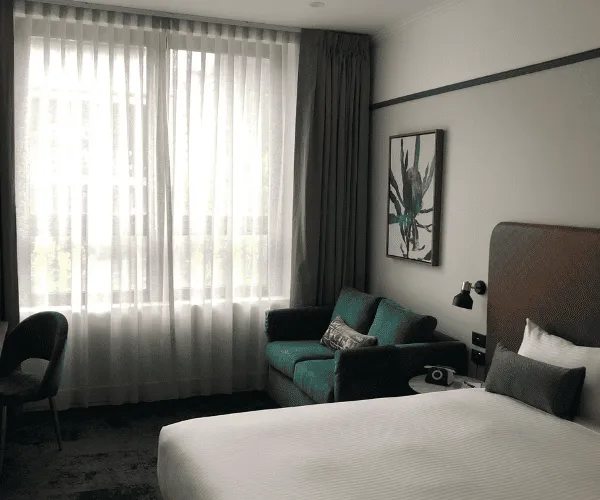
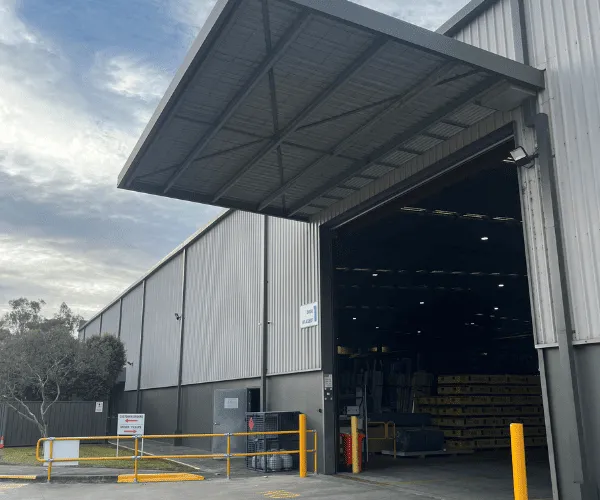
In a family home, washable finishes may suit hallways, kitchens and children’s rooms, while low-sheen or matt finishes can create a softer look in living spaces. Exterior work needs coatings that stand up to Melbourne’s changing weather, including heat, rain and moisture. Commercial and industrial sites may need hard-wearing coatings designed for regular cleaning, impacts or specific operating conditions.
Colour advice matters too, but it should be practical. A colour that looks right on a small sample can look completely different across a large, sunlit wall. Existing flooring, cabinetry, roofing, brickwork and lighting all influence the final result. Testing sample colours in the actual space is a sensible step before committing.
Good contractors will guide the decision without pushing a trend that does not suit the property. The best choice balances appearance, maintenance needs, lighting and how the space is used.
Reliable Work Means Minimal Disruption
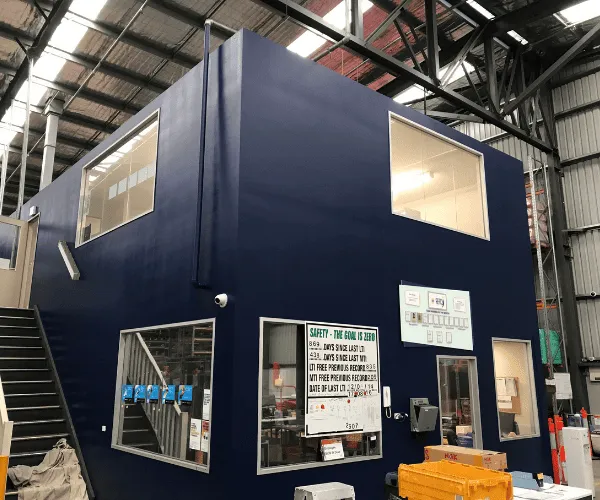
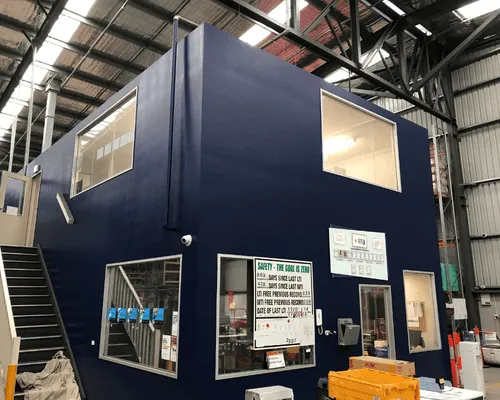
Painting projects affect daily life and business operations. A homeowner may be living around the work. A retail store may need to remain presentable for customers. An office, strata property or industrial facility may need works organised around staff, equipment and safety requirements.
This is where planning makes a real difference. Experienced contractors confirm the schedule, coordinate access, protect surrounding areas and keep the site tidy as work progresses. They should advise when rooms need to be cleared, how long coatings need to dry and whether certain areas will be unavailable for a period.
For commercial projects, out-of-hours work can be worth considering if it reduces impact on customers or staff. It may cost more than daytime work, so the decision depends on the business and the project size. For an occupied home, completing one area at a time may be more convenient than having every room disrupted at once.
Communication is just as important as the timetable. If weather delays exterior work or additional repairs are identified, customers should hear about it early. A dependable contractor does not leave people guessing when the team will arrive or what is happening next.
What Quality Looks Like at Completion
A quality finish should look consistent from one wall to the next, with clean edges around ceilings, windows, doors and trims. There should not be paint splashes on floors, fittings or landscaping, and the site should be left clean and presentable.
The final walk-through is a valuable part of the process. It gives the customer an opportunity to inspect the work with the contractor, raise any reasonable concerns and understand any care requirements for the newly painted surfaces. Fresh coatings often need time to fully cure, so knowing when it is safe to clean walls, move furniture back or use a painted area normally is useful.
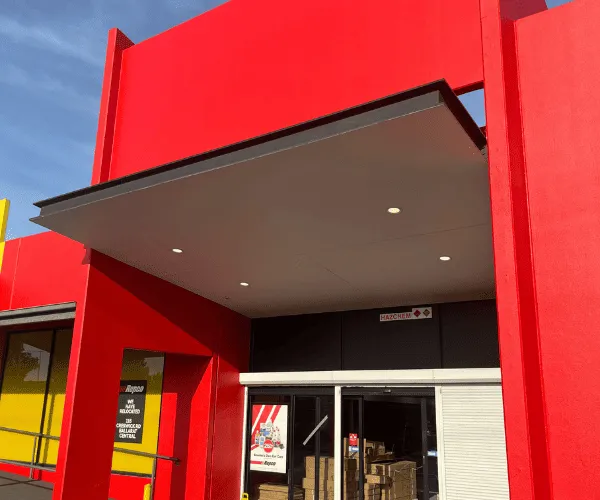
For a commercial property, completion should also consider practical handover. This may include confirming that access areas are clear, signs and fixtures are protected, and the premises are ready for staff or customers. For maintenance programs, records of the completed work can help plan future touch-ups and larger repainting cycles.
When Maintenance Is the Smarter Option
Not every property needs a full repaint straight away. Regular painting maintenance can address minor damage, refresh high-use spaces and protect exposed surfaces before the work becomes more extensive. It is often a practical approach for strata properties, rental homes, retail spaces and facilities where appearance and upkeep are ongoing priorities.
Maintenance works can include touch-ups, plaster repairs, repainting selected walls, refreshing trims, restoring weathered exterior areas and attending to damage caused by everyday use. The right approach depends on the condition of the property and whether colour consistency can be maintained.
A full repaint may be the better option when there are widespread surface issues, major colour changes or a need to present the entire property at a higher standard. A contractor should be honest about that trade-off. Localised work can save money in the short term, but it may not deliver a uniform result if the surrounding paintwork has aged noticeably.
Choosing a Contractor With Confidence
Before engaging a painter, ask how they approach preparation, what is included in the quote, who will complete the work and how they manage changes to scope. It is also sensible to ask about experience with your type of property, whether that is a family home, office, shop, apartment block or industrial site.
Look for straightforward answers rather than vague promises. A capable team will be able to describe the work clearly, provide realistic timeframes and treat your property with care. In Metro Melbourne, where projects range from older homes to busy commercial premises, local experience can help contractors anticipate common surface and access challenges.
WE DO Painting approaches each job with the same practical focus: prepare properly, communicate clearly and deliver a finish that improves the property. Whether the work is decorative, protective or part of an ongoing maintenance plan, the right contractor helps you make a confident decision and get the result your property deserves.
A painting project should leave your space looking better, functioning well and ready for what comes next. Start with a detailed inspection and a clear conversation – it is the simplest way to set the work up properly.