Choosing a Painter for Office Fit Out Work

Choosing a Painter for Office Fit Out Work

Need a painter for office fit out work in Melbourne? Plan colours, timing, surface repairs and finishes that keep your workplace looking professional.

An office fit out can look finished on paper long before it feels finished in person. Joinery may be installed, workstations assembled and new flooring laid, but uneven walls, marked door frames or rushed paintwork can pull the whole space down. Choosing the right painter for office fit out work helps bring the design together while keeping the project moving and your workplace presentable.

For business owners, project managers and property managers, commercial painting is not simply a colour decision. It is a coordination job. The painting contractor needs to work around trades, protect completed surfaces, manage access safely and deliver a clean result within a fixed handover date.

What office fit out painting involves

Office painting during a fit out usually covers more than applying a final coat to walls. Depending on the condition and scope of the premises, work may include preparation of plasterboard, patching and sanding, painting ceilings, walls, doors, skirting boards, frames, exposed services and feature areas. It may also include touch-ups after electricians, data installers, joiners and furniture teams have completed their work.

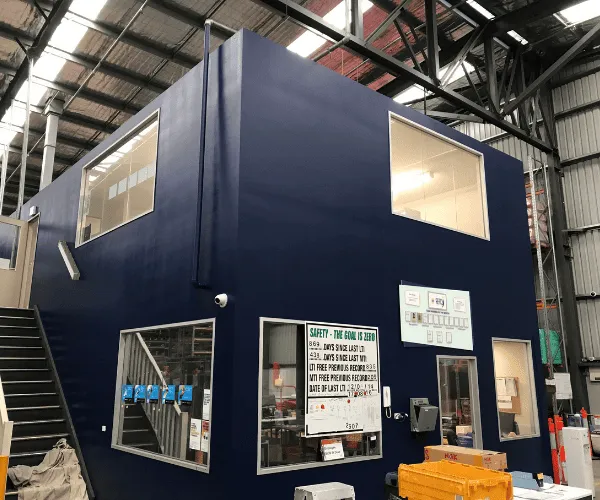
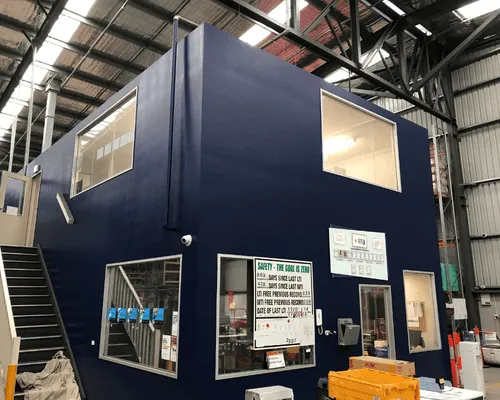
The best scope depends on the building and the intended use of the space. A professional services office may need a refined, understated finish throughout meeting rooms and reception areas. A creative studio may use bolder feature colours to define collaboration zones. A warehouse office or industrial facility may need hard-wearing coatings in high-traffic areas where day-to-day wear is more likely.

This is why the painter should understand the fit out plan, not just the paint schedule. They need to know what is being installed, which surfaces will remain visible, where people will be working and when each area becomes available.

Choose a painter for office fit out projects early

Painting is often scheduled late in a fit out, but the conversation should start well before the final week. Early involvement gives the painter time to inspect surfaces, identify repair requirements and prepare an accurate quote. It also reduces the chance of delays caused by unfinished plasterwork, moisture issues, restricted access or changes to the design.

A detailed site inspection is particularly valuable in older offices. Previous alterations can leave uneven walls, redundant fixtures, damaged trims and mismatched surface finishes. These issues do not disappear under a quick coat of paint. Proper preparation makes the difference between a finish that looks good at handover and one that continues to look professional after staff move in.

Coordination matters as much as workmanship

A capable commercial painter works to the programme, not in isolation. They will clarify when ceilings are ready, whether carpet is being installed before or after final coats, and when joinery needs protection. They should also allow for practical matters such as lift access, loading arrangements, parking, site inductions and after-hours work if required.

There is a trade-off here. Painting too early can mean later trades mark finished surfaces. Painting too late can put pressure on drying times and handover. The right approach is usually staged painting: complete broad preparation and initial coats at the appropriate point, then return for final coats and detailed touch-ups once other work is complete.

Get the paint system right for each area

Not every office surface needs the same coating. Reception walls, meeting rooms, corridors, kitchens and amenities all face different levels of use. A painter should recommend a system that suits the surface and the level of traffic, rather than applying one product everywhere because it is convenient.

Low-sheen wall finishes are popular in offices because they provide a neat appearance without being overly reflective. However, in busy corridors or shared spaces, a washable and durable finish can be worth the extra investment. Doors, frames and skirting boards often need a tougher coating than walls because they are touched, knocked and cleaned more frequently.

Ceilings also deserve consideration. A clean, even ceiling finish improves light reflection and helps the office feel brighter. In spaces with exposed ceilings, ducts and services, colour selection can influence the entire character of the workplace. Dark colours can create a contemporary look and visually reduce ceiling height, while lighter colours can make a compact office feel more open. Neither is automatically better. It depends on the design brief, lighting plan and the atmosphere the business wants to create.

Colour should support how the office works

Brand colours can work well in reception areas, collaboration spaces and feature walls, but they need to be used with restraint. A colour that looks strong on a sample card may feel overwhelming across an entire open-plan floor.

Neutral base colours are often the practical choice for main work areas because they suit changing furniture, signage and tenant requirements. Accent colours can then create distinction around meeting rooms, breakout spaces or wayfinding points. Before finalising the palette, ask for test patches in the actual office. Natural light, LED lighting and surrounding materials can shift how a colour appears.

Protect the fit out, not just the paint finish

A good office fit out painter takes care of the surrounding work. New carpet, glazed partitions, joinery, desks, flooring and electrical fittings need protection throughout the job. This is particularly important in compact CBD offices, where staging space can be limited and multiple trades may be working in close proximity.

Preparation should be clean and controlled. Dust from sanding must be managed, work areas kept orderly and rubbish removed progressively. For occupied offices, the contractor should also plan around staff access, meeting rooms, equipment and noise-sensitive periods.

If the business needs to remain open during the works, the painting programme may need to be split into zones or completed outside normal operating hours. This can add complexity, but it can be the right decision when closing an office would disrupt client service or staff productivity. The key is clear communication about access, timing and which areas will be unavailable at each stage.

Ask practical questions before accepting a quote

The cheapest quote can become expensive if it leaves out necessary preparation, protection or final touch-ups. A useful painting quote should clearly identify the areas included, the preparation work allowed for, the coating system, the number of coats and any assumptions affecting the price.

Before appointing a contractor, it is sensible to ask how they will manage the programme, what access they need and whether they have experience working alongside fit out teams. You should also confirm who is responsible for minor repairs, colour matching and the final defects inspection.

Four questions are especially useful:

  • What preparation and repair work is included in the price?
  • How will completed flooring, joinery and furniture be protected?
  • Can the work be staged around other trades or operating hours?
  • What is the process for final touch-ups before handover?

These questions help prevent assumptions from becoming last-minute problems. They also make it easier to compare quotes fairly, as one contractor may allow for a more complete scope than another.

Plan for handover and ongoing maintenance

The final walkthrough should happen before the office is fully occupied. Walk the site with the painter and project manager, checking walls in natural and artificial light, corners around joinery, door frames, ceilings and high-visibility areas such as reception. Small marks and minor defects are easier to address before furniture, signage and staff activity fill the space.

It is also worth keeping a record of the selected colours and finishes for future maintenance. Offices change over time. New desks are added, partitions move, signs come down and technology upgrades leave small areas needing attention. Knowing the original paint system makes later touch-ups simpler and helps the workplace maintain a consistent appearance.

For Melbourne businesses, WE DO Painting provides commercial painting and repair support with the practical planning office fit out projects require. The focus should always be on a well-prepared surface, a professional finish and a schedule that respects the rest of the build.

A freshly fitted-out office sends a message before a client reaches the reception desk and before a new employee sits at their workstation. Give the paintwork the same planning as the flooring, lighting and furniture, and the whole space will feel ready to perform.