A tired paint finish rarely stays a cosmetic issue for long. Knowing the signs your property needs repainting helps you act before exposed surfaces, moisture problems or damaged finishes turn a straightforward painting job into a larger repair project. Whether you own a family home, manage a rental, run a shop or oversee a facility, a well-timed repaint protects the property as well as its appearance.
Paint does more than make a room or building look fresh. It forms a protective layer over timber, plaster, metal, masonry and other surfaces. Once that layer begins to fail, Melbourne’s changing weather, everyday traffic and moisture can take their toll.
1. The colour has faded or looks uneven
Fading is one of the clearest signs that exterior paint is reaching the end of its useful life. North- and west-facing walls often show it first, particularly on darker or brighter colours exposed to long periods of sun. You may notice that areas under eaves or behind fixtures look noticeably richer than the rest of the wall.
Inside, uneven colour can develop around windows, in hallways, near heaters or on walls that receive regular cleaning. Fading is not always urgent from a protection point of view, but it can make an otherwise well-kept property look neglected. For businesses, it may also affect how customers view the premises before they walk through the door.
2. Cracks, bubbles or flaking paint are appearing
Small cracks in a painted surface can be caused by age, movement in the substrate, poor preparation or incompatible paint layers. Bubbles can point to trapped moisture, heat or a coating that has not bonded properly. Flaking paint leaves the material beneath it more vulnerable to wear.
Do not assume a new coat over the top will solve the problem. The affected area needs to be assessed, prepared and repaired properly so the fresh finish has a sound surface to adhere to. On older properties, this may involve plaster repairs, timber preparation or attention to gaps around windows and trims.
3. You can see bare material beneath the paint
When paint has worn through to timber, metal, plaster or masonry, repainting should not be left for another season. Bare timber can absorb moisture and begin to deteriorate. Unprotected metal may develop rust. Masonry can become more prone to staining and water entry through fine surface faults.
This is particularly common on handrails, door frames, verandah posts, fences, skirting boards and high-contact internal areas. A prompt repair and repaint can contain the work to a smaller area. Leaving it exposed may mean more preparation is required later.
4. The surface feels chalky or leaves residue behind
Run your hand over an exterior wall. If it comes away with a dusty, powdery residue, the paint coating may be breaking down through weather exposure. This is often called chalking, and it can prevent fresh paint from bonding correctly unless the surface is thoroughly cleaned and prepared.
Chalking can be subtle at first, especially on light-coloured walls. It is still worth addressing because it signals that the protective qualities of the coating are declining. A professional painter can determine whether washing and repainting are sufficient or whether more extensive surface preparation is needed.
Signs Your Property Needs Repainting Inside
Interior paint usually faces different pressures from exterior coatings. Rather than sun and rain, it deals with scuffs, condensation, cooking residue, steam, furniture marks and repeated cleaning. These issues may not threaten the building structure immediately, but they affect hygiene, presentation and the overall condition of the space.
5. Marks no longer clean off properly
A few scuffs on a busy hallway are normal. The concern starts when routine cleaning leaves shadows, patchy areas or a dull sheen that is more noticeable than the original mark. This often happens when an older paint film has become porous, thin or worn from repeated wiping.
Kitchens, bathrooms, entryways, rental properties and commercial common areas are typical trouble spots. A suitable washable paint system can make future maintenance easier, but the correct sheen level matters. Higher sheen finishes generally clean well, while lower sheen finishes can give living areas and offices a softer look. The right choice depends on the room, traffic level and desired finish.
6. Damp stains or mould keep coming back
Water marks, discolouration and recurring mould should always be investigated before painting begins. They may be linked to a leaking roof, plumbing issue, poor ventilation, condensation or failed sealant. Painting over the evidence without dealing with the source may give a short-lived visual improvement, but the stain or mould is likely to return.
Bathrooms, laundries, ceilings below wet areas and external walls are common locations. Once the underlying issue is resolved and the surface is dry, appropriate preparation and a quality coating system can restore the area. This is a situation where painting maintenance and repair work need to go together.
7. The finish looks patchy after touch-ups
Touch-ups are useful for minor damage, but they do not always blend into an older wall. Paint can change slightly in colour and sheen over time, even when the original tin is still available. Different application methods, surface absorption and lighting can make the patched area stand out.
If touch-ups have become obvious across several walls, repainting the full wall or room often provides a cleaner result. In offices, retail spaces and rental homes, that consistency can make a substantial difference without requiring a major renovation.
8. Exterior joints and trims are opening up
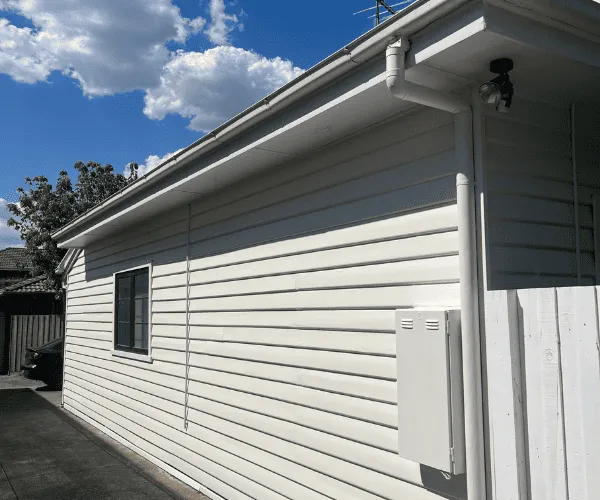
Paint often reveals movement and ageing around window frames, fascia boards, doors, eaves and timber trims. Gaps in sealant, hairline cracks and worn edges allow water to sit where it should not. The longer this continues, the more likely it is that surrounding materials will need additional attention.
A repaint is an opportunity to address these details properly. Preparation should include cleaning, sanding, filling where appropriate, resealing joints and treating any surface deterioration before paint is applied. Quality painting is not simply about the final coat. The work underneath is what supports a finish that lasts.
9. Your property no longer reflects the standard you want to present
Sometimes the paint is technically still doing its job, but the property no longer looks current, clean or well cared for. This matters when preparing a home for sale, welcoming tenants, refreshing a workplace or maintaining a customer-facing business.
For commercial premises, faded signage areas, marked walls and worn entry points can undermine an otherwise professional operation. For homeowners, a fresh colour scheme can improve street appeal and make interiors feel lighter and more considered. The trade-off is timing: cosmetic repainting can often be planned around your schedule, while coating failure and moisture-related issues are better handled sooner.
10. It has been several years since the last paint job
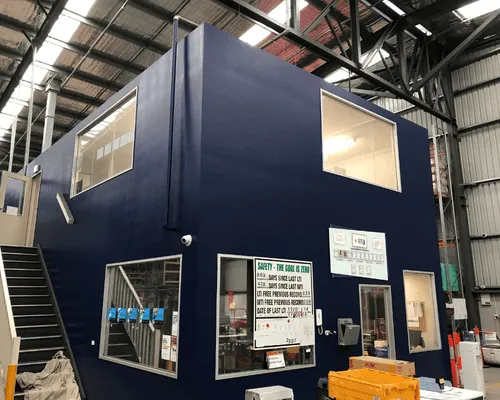
There is no single repainting timetable for every property. A protected internal bedroom may look good for many years, while an exposed weatherboard wall, busy stairwell or industrial work area may need attention much sooner. The quality of the previous preparation, paint selection, weather exposure and everyday use all make a difference.
As a general guide, inspect exterior surfaces every year and interior high-traffic areas whenever you notice marks or wear building up. Looking closely at corners, trims, window frames and areas near water sources is more useful than judging the property only from the street or doorway.
When to arrange a professional assessment
If the issue is limited to a minor scuff or a small mark, a simple touch-up may be enough. If you are seeing several of the signs above, or if there is moisture, cracking, rust or damaged substrate involved, it is worth arranging a professional assessment before choosing colours or booking works.
A clear quote should account for preparation, repairs, access requirements, paint systems and the practical needs of the property. For occupied homes, businesses and managed sites, the work should also be planned to minimise disruption. WE DO Painting helps Melbourne property owners and managers address both the visible finish and the repair work needed beneath it.
A fresh coat of paint should feel like a considered investment, not an emergency response. Check the areas you walk past every day, address small warning signs early, and your property will be easier to maintain, protect and take pride in.