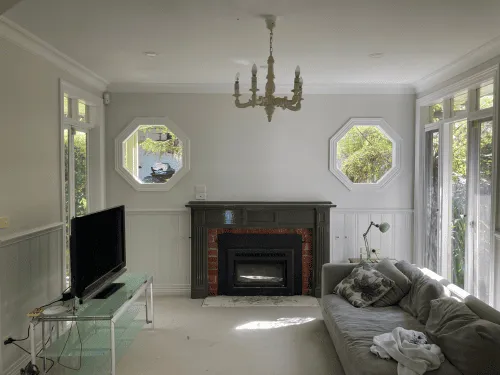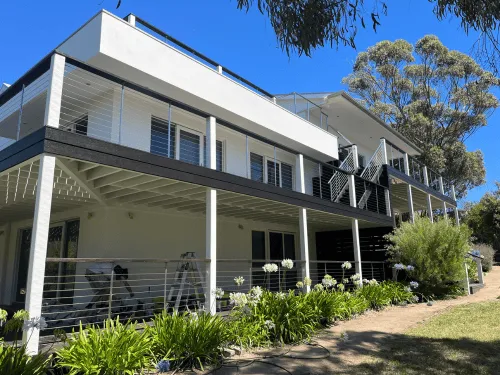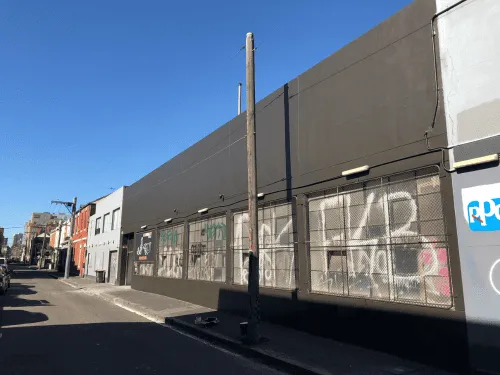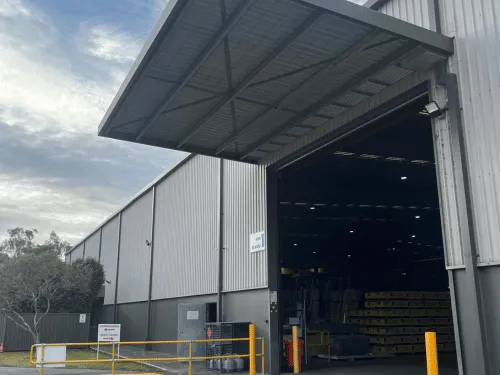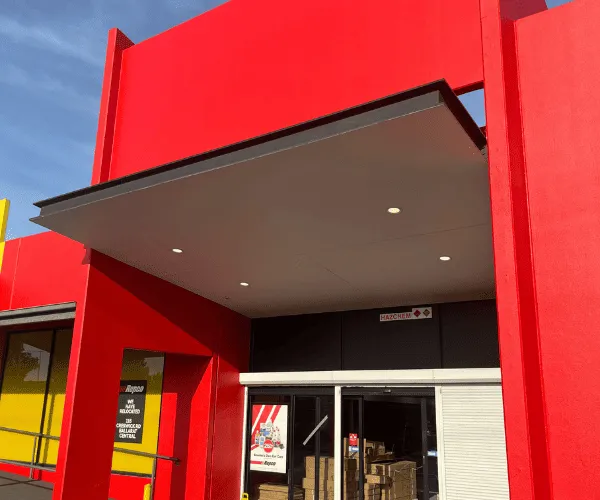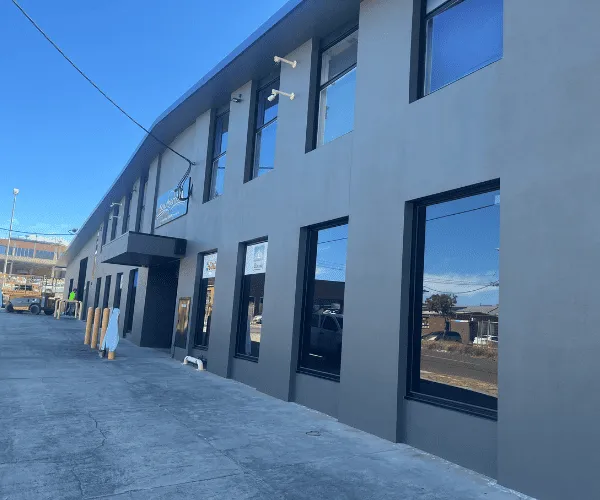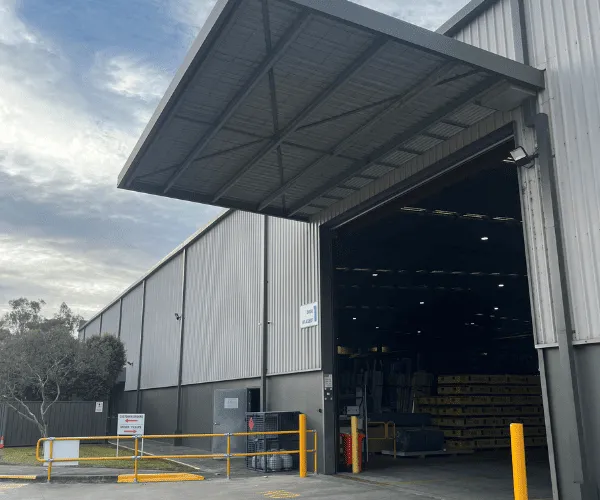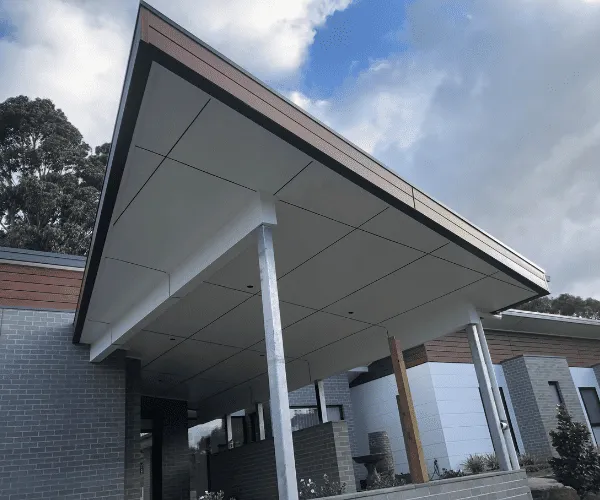
A fresh coat of paint can make a room feel bigger, sharpen a shopfront or give a tired exterior a new lease on life. But the result is only as good as the work underneath it. When choosing Melbourne painters, the real question is not simply who can apply paint. It is who will prepare the surfaces properly, protect your property and deliver the finish they promised.
For homeowners, property managers and business owners, painting is often part of a bigger job. There may be damaged plaster, worn timber, old fixings, water marks or areas that need repair before the first coat goes on. A professional painter sees those details early and builds them into the plan, rather than covering them up and hoping for the best.
A quality paint job starts before the paint
Good painting preparation takes time, and that is where much of the value sits. Walls need to be cleaned, cracks filled, surfaces sanded and loose material removed. Timber may need attention, metal can require specialist preparation, and stains often need the right primer before a topcoat is applied.
Skipping these steps can make a project look acceptable for a short time, but it rarely delivers a finish that lasts. Proper preparation helps paint bond well, look even and stand up to daily use, weather and cleaning. It also gives the painter a chance to identify issues that may need plaster repairs, carpentry work or other practical maintenance.
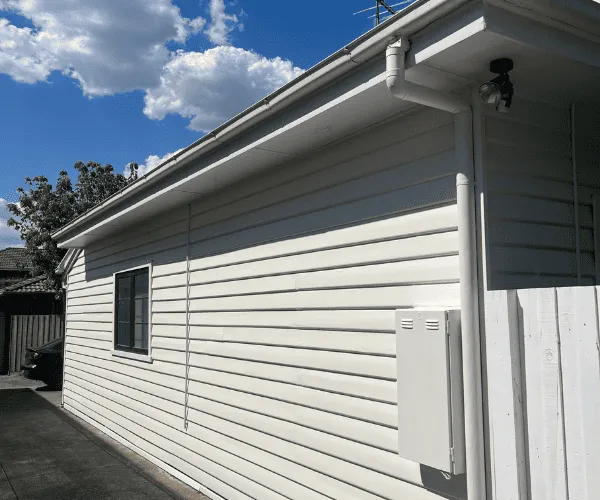
This is particularly important in Melbourne, where properties deal with sharp changes in temperature, wet weather and strong summer sun. Exterior surfaces need more than an attractive colour. They need a suitable coating system and careful application to help protect the building.
Clear quoting gives you confidence from the start
A painting quote should be easy to understand. It does not need to be filled with trade jargon, but it should clearly explain what is included. That means the areas being painted, the preparation required, the number of coats, the paint system, access requirements and any repair work identified during inspection.
The lowest figure is not always the best value. A cheaper quote may allow less time for preparation, omit repairs or use a lower-grade product that is not suited to the surface. On the other hand, a higher quote should be supported by a clear scope of work, not vague promises.
Ask how the painter handles changes discovered once work begins. Some issues are only visible after furniture is moved, old coatings are prepared or damaged areas are opened up. A reliable contractor will raise the issue, explain the options and confirm any cost or timing change before proceeding.
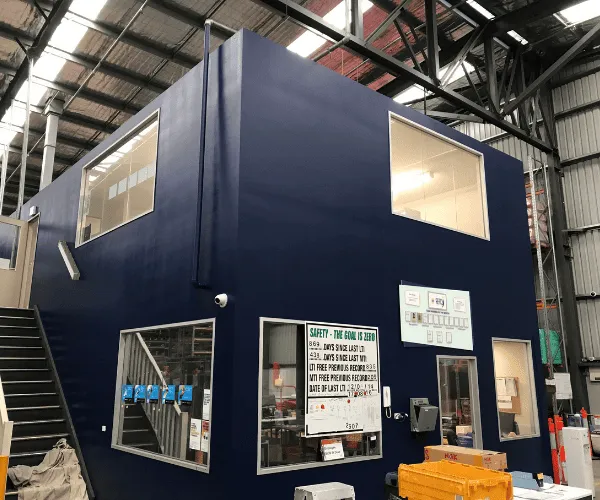
For commercial and industrial clients, clarity matters even more. A quote should account for site inductions, access equipment, safety requirements, working hours and the need to keep staff, customers or tenants safe. Planning these details early prevents avoidable delays later.
Melbourne painters should work around your property, not over it
Painting work can be disruptive, but it should not create unnecessary stress. Professional painters protect floors, furniture, landscaping, fixtures and adjacent surfaces before work starts. They maintain a tidy site, manage rubbish responsibly and leave the property presentable at the end of each day where practical.
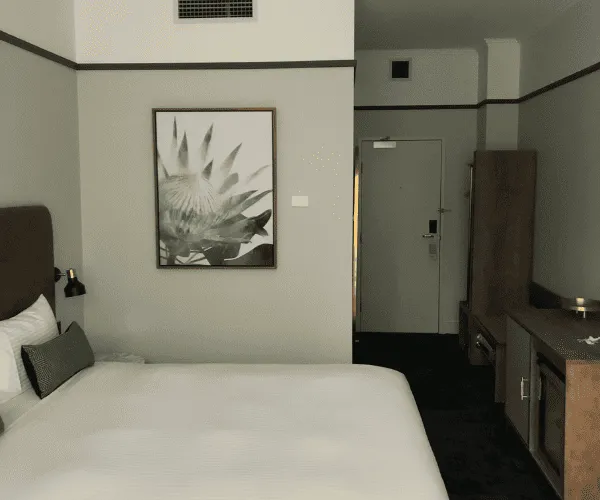
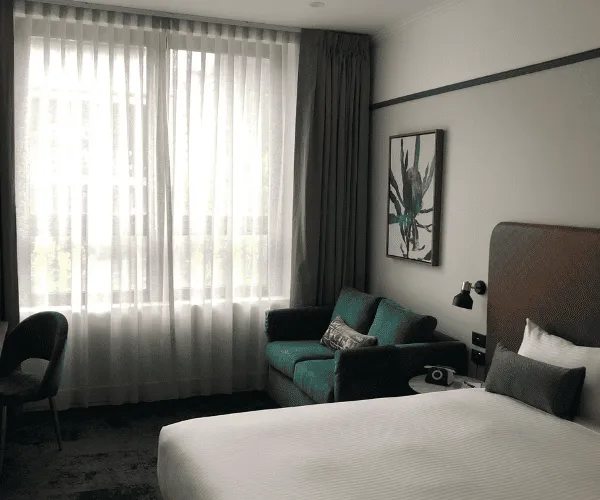
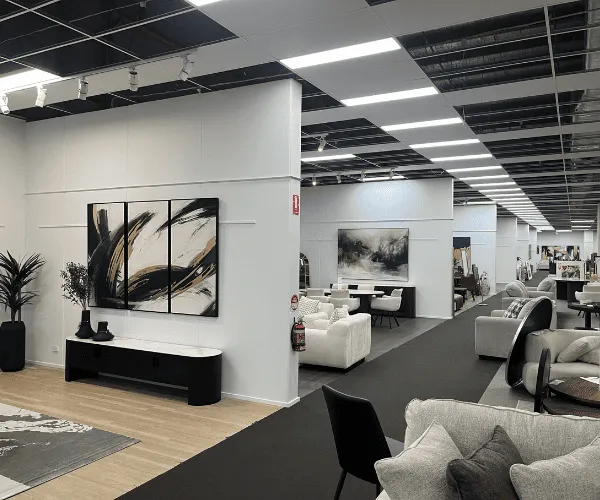
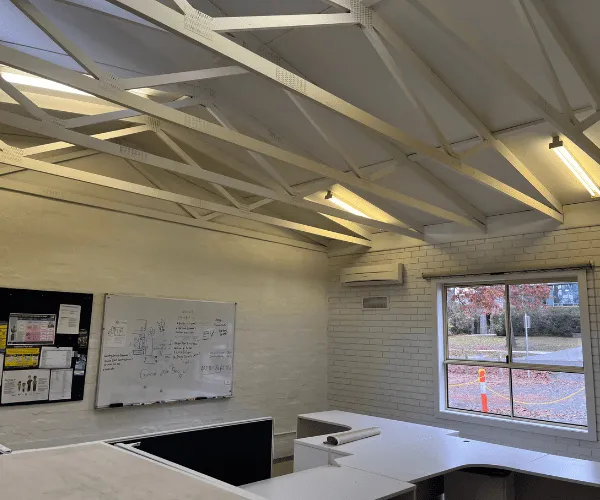
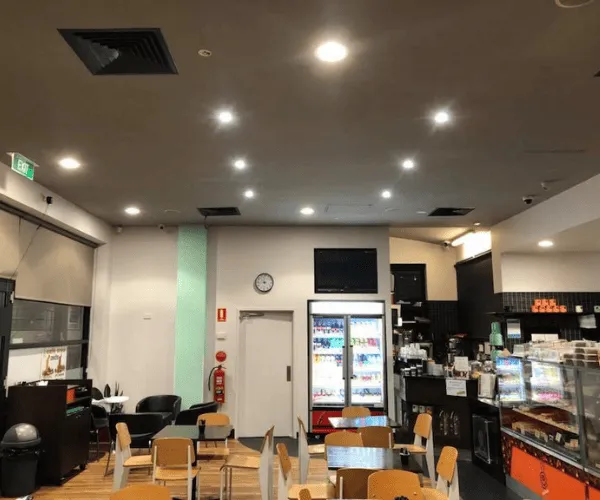
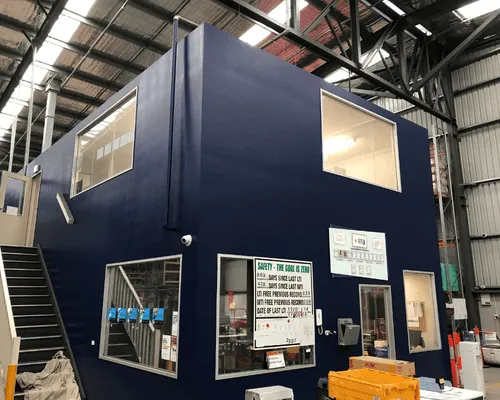
At home, that may mean planning interior rooms in a sensible order so you can continue using key spaces. In an office, retail space or strata property, it can mean staging the project around operating hours, tenant access and public areas. Industrial work may require a more detailed approach to site safety, equipment and shutdown windows.
There is no single schedule that suits every job. An occupied family home needs a different plan from a warehouse or medical practice. The right painter will ask practical questions before work begins, then communicate clearly about start dates, access, drying time and what you need to do before the team arrives.
The right paint system depends on the surface
Colour is a major part of any painting decision, but product selection matters just as much. Interior living areas, bathrooms, exterior weatherboards, rendered walls, metal fencing and high-traffic commercial corridors all place different demands on paint.
For example, washable finishes can be a sensible choice in hallways, kitchens and rental properties where marks are more likely. Bathrooms and laundries need coatings suited to moisture. Exterior timber needs a system designed to cope with movement and exposure, while commercial spaces may benefit from durable finishes that can handle regular cleaning.
A professional painter should explain recommendations in plain language. You do not need to become an expert in paint specifications, but you should understand why a particular product and sheen level is being suggested. The answer may also change depending on your budget, how long you expect to hold the property and how heavily the area is used.
Look for workmanship you can inspect
A strong finish is not only about a nice colour on the wall. Look closely at cutting-in around doors, ceilings and trims. Check that surfaces appear consistent under natural and artificial light. On exterior work, pay attention to edges, joins, window frames and areas close to gutters or downpipes.
Professional workmanship also includes the details you may not notice straight away: filling holes cleanly, preparing trim, masking carefully and ensuring doors and windows can still operate properly. These small points separate a rushed job from one completed with care.
It is reasonable to ask about previous work, the team carrying out your project and the expected timeframe. Testimonials can provide useful reassurance, but a direct conversation is just as valuable. You should feel comfortable asking questions and confident that you will receive straight answers.
Maintenance is often the smarter investment
Painting is not always a full transformation project. Regular maintenance can protect surfaces, keep a commercial property looking professional and reduce the size of future repair work. This can include touch-ups, repainting high-wear areas, refreshing external trims or dealing with minor damage before it spreads.
For property managers, planned painting maintenance helps keep homes and common areas in good condition between tenancies or scheduled inspections. For business owners, it supports a clean, professional environment for customers and staff. In industrial settings, maintenance painting can be part of a broader approach to preserving assets and maintaining safe, clearly marked spaces.
The most useful maintenance plan is based on the property itself. Exposure, foot traffic, surface type and building use all affect how often work may be needed. A painter who understands these factors can help you prioritise the areas that need attention now and plan the rest sensibly.
Questions worth asking before you book
Before committing to a painter, ask how they assess repairs, what preparation is included and which products they intend to use. Confirm who will be on site, how the work area will be protected and what the expected schedule looks like. If the project is commercial or industrial, also ask how they will manage safety, access and business operations.
You should also discuss the final inspection process. A good contractor wants you to review the completed work and raise any genuine concerns. This is not about chasing perfection where old building materials have natural limitations. It is about making sure the agreed scope has been completed to a professional standard.
WE DO Painting approaches residential, commercial and industrial jobs with this practical focus: clear communication, careful preparation and finishes that improve both appearance and protection. Whether the task is a single room, an exterior refresh or ongoing maintenance, the goal should stay the same – work completed properly, with minimal fuss.
The best time to organise painting is before wear and minor damage become a bigger project. Start with a clear conversation about your property, the finish you want and the conditions the surfaces need to handle. A detailed quote and a capable team will do the rest.