Warehouse Maintenance Painting Example Explained

Warehouse Maintenance Painting Example Explained

A warehouse maintenance painting example shows how planned repairs, suitable coatings and staged work protect operations, safety and asset value over time.

A warehouse maintenance painting example is most useful when it shows more than a fresh coat of paint. In a working facility, the job needs to protect exposed surfaces, improve visibility, support safety requirements and keep disruption to a minimum. The best result comes from careful planning before a painter opens a tin.

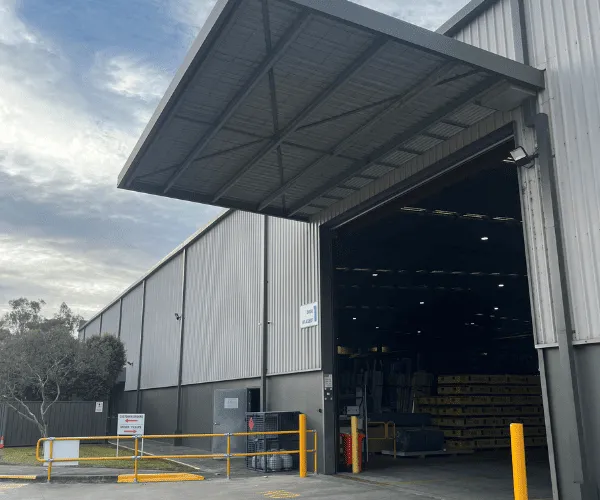
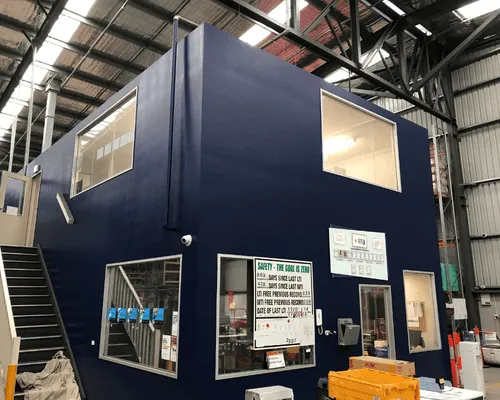
Consider a Melbourne warehouse with active loading bays, high forklift traffic, storage racking and staff working across several shifts. The building has marked concrete floors, internal steelwork, office partitions and exterior cladding that all face different types of wear. Rather than treating every surface the same, the maintenance plan needs to assess the condition, select suitable coating systems and stage the work around the operation.

A practical warehouse maintenance painting example

A facilities manager notices that the warehouse looks tired and harder to manage safely than it should. Floor markings around loading zones and pedestrian walkways are faded. Bollards and safety rails show impact damage and surface corrosion. Internal walls are marked from daily activity, while external metal surfaces have begun to lose their protective finish.

The manager’s goal is not simply to make the site look better. They need to maintain a professional facility, make traffic routes easier to identify, protect steel and cladding from further deterioration, and complete the work without shutting down the warehouse for a week.

A professional painting contractor starts with a site inspection. This identifies the surfaces involved, access requirements, moisture concerns, previous coatings, areas of damage and the times when each zone can be isolated. From there, the project is divided into manageable stages rather than treated as one large job.

Stage one: preparation and repairs

Preparation determines how well a maintenance coating performs. The work area is cleaned to remove dust, grease, warehouse residue and loose material. Damaged plaster, dents to internal walls, minor carpentry issues around trims and surface rust on steelwork are addressed before painting begins.

For steel rails, bollards and columns, preparation may include mechanical abrasion and a suitable primer system designed for metal. For masonry and internal walls, it may involve patching, sanding and spot priming. Concrete floors need particular attention because oils, tyre marks and contaminants can affect coating adhesion.

This stage may feel slower than the visible painting, but it prevents a short-term cosmetic result that quickly loses its finish under daily use.

Stage two: protective coatings for high-wear areas

Not every part of a warehouse needs the same paint. A standard wall paint may suit an office or low-contact internal wall, while loading bays, wash-down areas, machinery zones and traffic routes often require harder-wearing systems.

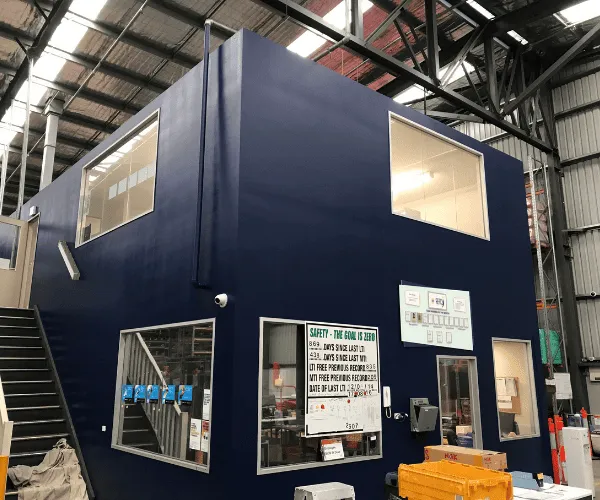
In this example, the internal warehouse walls receive a durable, washable finish in a light neutral colour. Brighter walls improve light reflection, which can make the space feel cleaner and assist visibility around racking and work areas. The office and amenities areas receive a tidy finish that matches the wider site presentation.

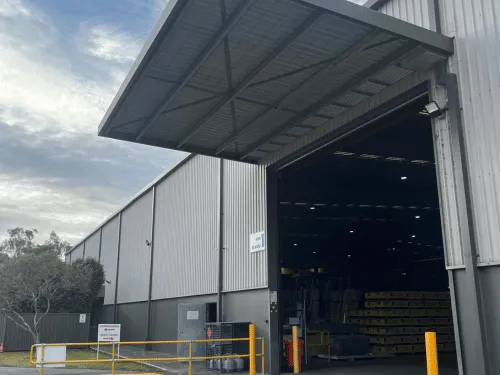
Steel bollards, handrails and safety barriers are primed and coated in high-visibility safety colours where required. This makes hazards easier to see and creates a more organised workplace. Exterior cladding receives a coating system suited to weather exposure, helping protect the building envelope and maintain a professional appearance from the street.

For the concrete floor, the contractor applies an appropriate industrial floor coating to defined zones, not necessarily the entire warehouse. This is often the practical choice. Coating every square metre can require more downtime and a higher budget, while targeted work around entrances, dispatch areas, line-marked walkways and workstations delivers strong value.

Stage three: line marking and safety visibility

Line marking is a major part of many warehouse maintenance projects. Clear markings direct forklifts, separate pedestrian routes, identify loading areas and define storage or exclusion zones. When markings become difficult to see, the workplace can feel less controlled, even when procedures remain in place.

The maintenance plan sets out colours and locations before work starts. This should align with the facility’s traffic management plan, safety signage and operational requirements. A painting contractor can apply the coating system accurately, but the warehouse operator should confirm the layout, especially where vehicle movement, emergency access and staff walkways are involved.

In this warehouse maintenance painting example, yellow lines define forklift routes, white markings identify pedestrian walkways, and designated zones are marked for pallet storage and dispatch. The result is clearer movement through the facility without changing the way the business operates.

Planning work around warehouse operations

The main challenge in industrial painting is rarely choosing a colour. It is organising the work so the warehouse keeps moving.

A staged approach can isolate one loading bay, aisle or work zone at a time. Painting may be scheduled after hours, over a weekend or during quieter trading periods. Where floor coatings are involved, curing times must be factored into the program. Rushing this step can lead to avoidable damage when forklifts or pallet jacks return too soon.

Access equipment is another consideration. High walls, roof steel and external cladding may require elevated work platforms. The contractor should coordinate access, exclusion zones and site safety procedures well before the project begins. Clear communication between the site manager, warehouse team and painters avoids surprises on the day.

There is a trade-off between speed and access. Completing the entire job quickly may require broader shutdowns, while a staged program takes longer overall but reduces operational interruption. For most active warehouses, staged work is the more sensible option.

What the finished project delivers

Once complete, this type of maintenance painting project provides more than visual improvement. Clean, consistent surfaces present the business well to staff, suppliers and customers. Clearly marked traffic areas can support safer daily movement. Protective coatings help extend the service life of steelwork, cladding and internal surfaces exposed to regular contact.

It also makes ongoing maintenance easier. When the warehouse starts from a clean, well-finished baseline, site managers can spot new damage sooner and schedule smaller touch-ups before issues become larger and more costly. This is particularly valuable for property managers responsible for maintaining multiple industrial assets.

The right finish depends on the building’s use. A food distribution facility, automotive warehouse, cold storage site and general storage shed all have different demands. Moisture, chemical exposure, forklift intensity, cleaning methods and temperature changes should influence the coating recommendation.

How to build a maintenance painting plan

A useful plan starts with a straightforward condition review. Walk through the warehouse and record areas with surface damage, faded markings, corrosion, dirty walls, worn external finishes and hard-to-see safety barriers. Prioritise areas that affect safety, operational efficiency or protection of the building.

Next, separate urgent work from planned presentation work. A damaged safety rail or deteriorating external steel surface may need prompt attention, while repainting low-contact office walls can be scheduled alongside future maintenance. Grouping compatible tasks together can reduce mobilisation costs and make the project easier to manage.

It is also worth keeping records of coating colours, product types and completed areas. This helps maintain consistency when touch-ups are needed later, especially across larger sites with several buildings or tenancies.

For warehouse owners and operators, maintenance painting is a practical investment in the building and the people who use it. WE DO Painting can help assess the site, prepare a clear scope of works and deliver a staged finish that keeps your warehouse looking professional while protecting the surfaces that work hardest.