A freshly painted home can usually be planned around family routines. A freshly painted office, shop or facility has to work around customers, staff, deliveries, safety requirements and trading hours. That is the practical difference behind residential vs commercial painters – both apply paint, but the planning, systems and site demands can be very different.
Choosing the right contractor is not simply about finding someone who can produce a neat finish. It is about finding a team equipped for your property, its condition, the work environment and the outcome you need. Whether you manage a business premises or are preparing your home for a new look, understanding the distinction helps you ask better questions and receive a more accurate quote.
Residential vs Commercial Painters: The Main Difference
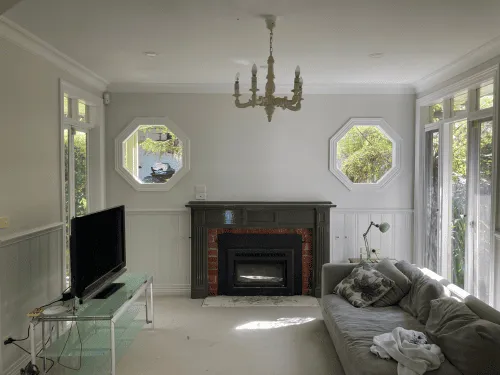
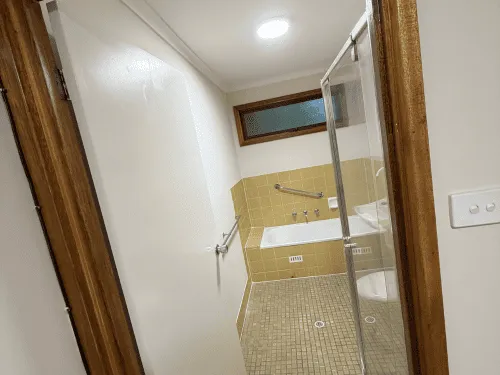
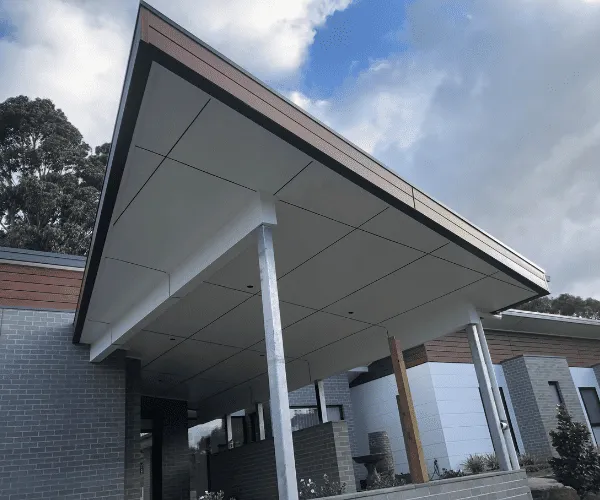
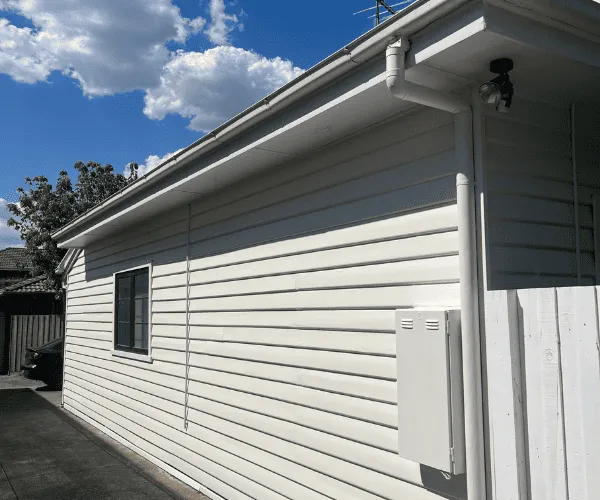
Residential painters focus on homes, apartments, townhouses and other living spaces. Their work is often centred on interior rooms, exterior walls, fences, timberwork, eaves and feature areas. Attention to detail matters greatly because homeowners live with the finish every day. Clean cut-in lines, consistent colour, careful protection of furniture and tidy work areas all make a real difference.
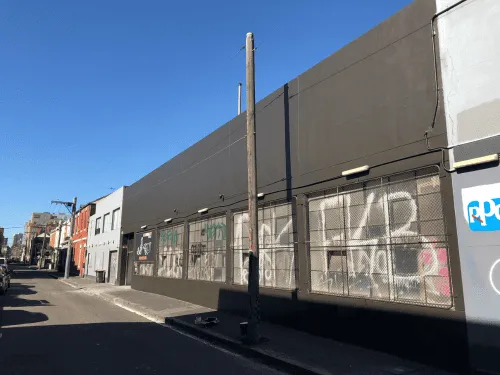
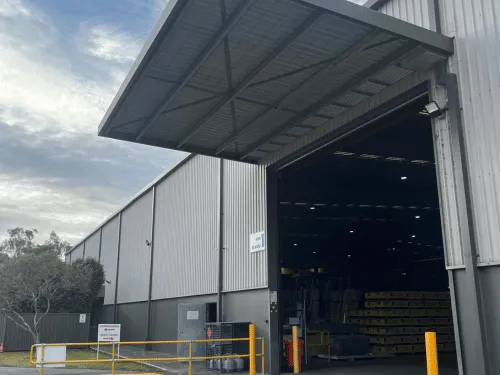
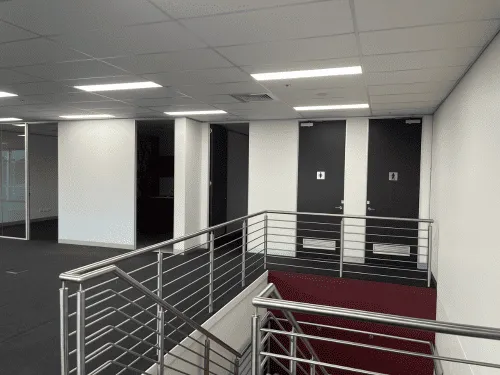
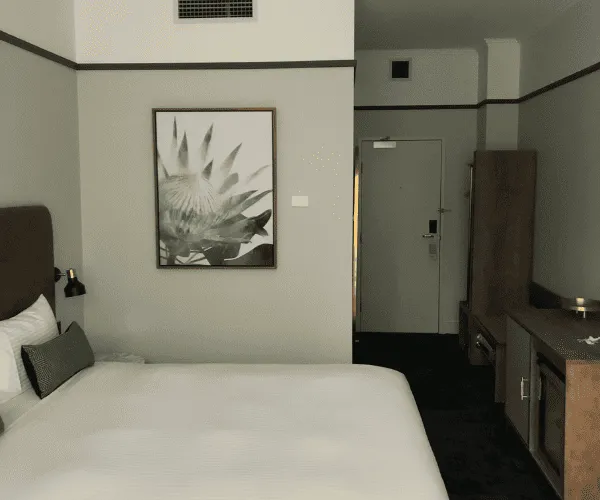
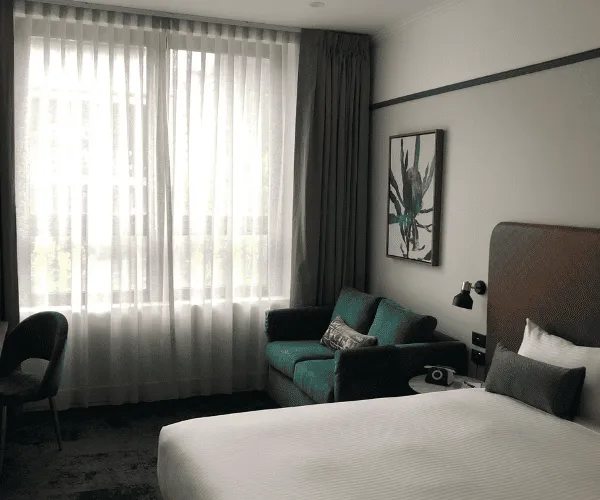
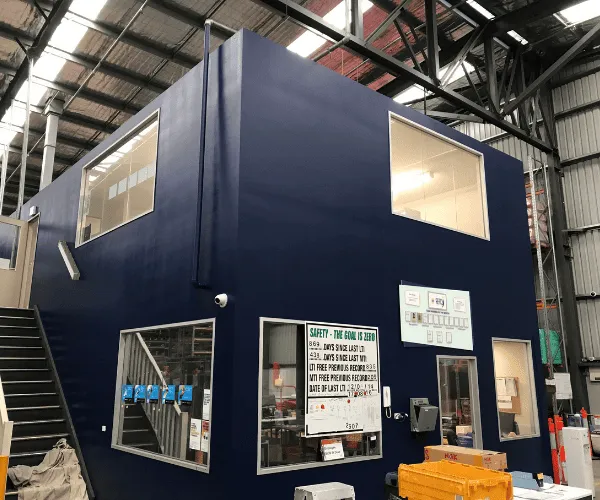
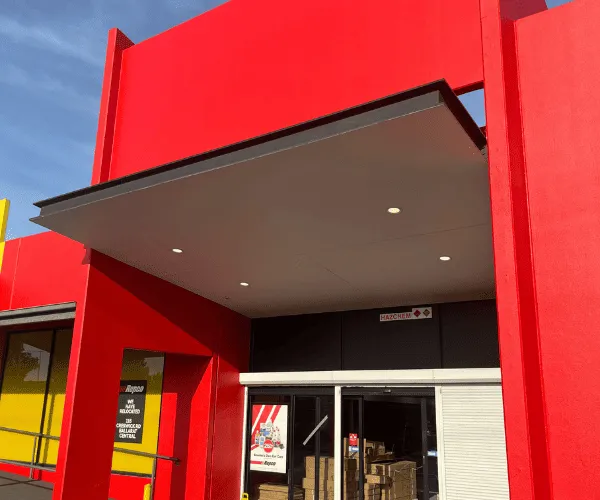
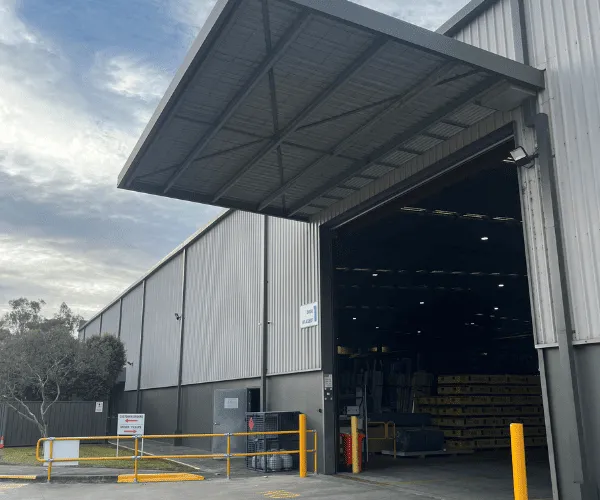
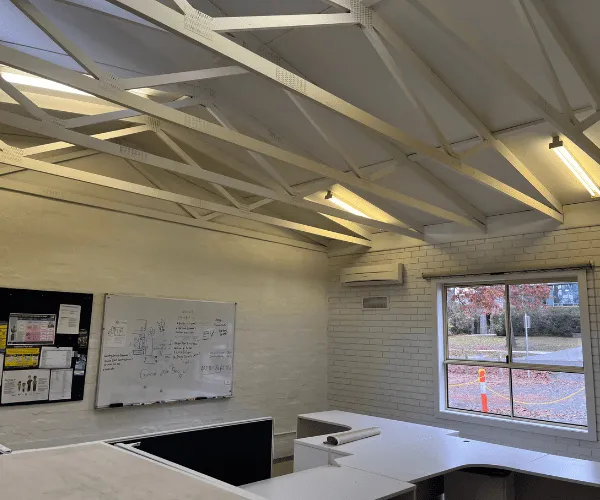
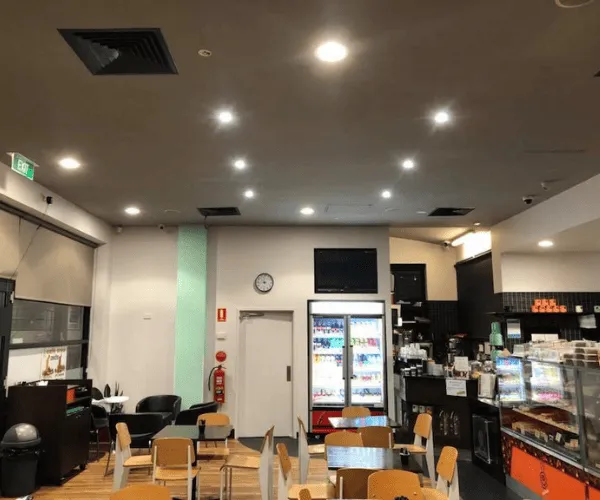
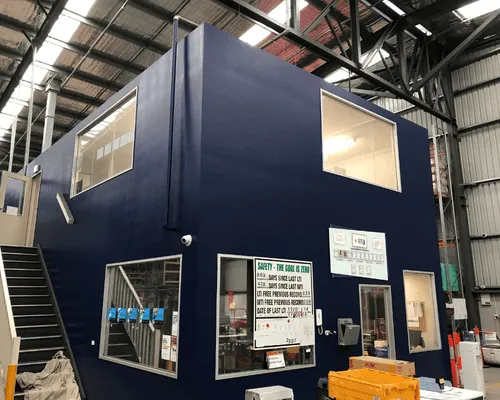
Commercial painters work across offices, retail stores, strata properties, schools, hospitality venues, warehouses and other business sites. These projects can involve larger surface areas, more complex access, stricter site rules and carefully managed schedules. The finish still needs to look professional, but the job also has to protect operations, meet site requirements and stay on programme.
There is overlap. An experienced painting contractor may complete both types of work, particularly where the team has the right people, equipment and project processes. The important question is whether they can manage the specific demands of your job rather than how they label themselves.
Scope and Scale Change the Way a Job Is Managed
A residential project may involve painting a living room, refreshing a weatherboard exterior or completing a full house repaint before sale. The work can be substantial, but decisions are generally made directly with the homeowner. Colour choices, access times and the order of rooms are often agreed on during a straightforward consultation.
Commercial work can include multiple floors, large common areas, high walls, car parks, shopfronts or active workspaces. There may be a building manager, tenant, facilities contact and site supervisor involved in approvals. A clear scope is essential, including surface preparation, repair work, access arrangements, coating systems and handover expectations.
This is why commercial quotes should account for more than square metres. A low price can overlook after-hours labour, access equipment, protection measures or the time required to stage work around a functioning business. Residential quotes also benefit from detail, especially where plaster repairs, timber repairs or exterior preparation are needed before paint is applied.
Preparation is not optional
The visible finish is only as good as the surface beneath it. On a home, preparation may involve filling cracks, sanding timber, repairing minor plaster damage and washing external surfaces. In a commercial building, it may also involve assessing higher-wear areas, treating damaged substrates and coordinating repairs with other trades.
A professional painter should explain what preparation is included and what is outside the original scope if hidden damage is found. This avoids surprises and gives the finished coating the best chance of lasting well.
Scheduling and Disruption Matter More on Commercial Sites
Most homeowners want painters who arrive when promised, respect the home and leave each area neat at the end of the day. That is a fair expectation. A good residential team can often organise the project room by room, allowing your household to keep using as much of the property as possible.
Commercial sites bring another layer of pressure. A shop may need its work completed outside trading hours. An office may need quiet tasks timed around meetings. A school, medical setting or industrial facility may have restricted access and defined work windows. In these situations, efficient staging is as valuable as painting skill.
Commercial painters need to communicate clearly with the people running the site. That means confirming start times, isolating work zones, protecting floors and fixtures, managing dust and returning spaces to service promptly. It also means having enough labour to maintain momentum when the programme is tight.
For a business owner, the cheapest option is not always the most cost-effective one. A contractor who completes the job reliably with minimal interruption can protect revenue, staff productivity and customer experience.
Safety, Access and Compliance
Safety is relevant on every painting job. A residential painter may use ladders, work around family members and pets, and protect pathways from equipment. Commercial and industrial environments can require a more formal approach due to height, public access, machinery, traffic areas and site-specific rules.
Jobs involving elevated areas may need suitable access equipment and trained operators. Busy premises may require barriers, signage and a plan for keeping staff, visitors and contractors safely separated from the work zone. Industrial sites may also have induction processes, permit requirements and particular coating needs for high-use surfaces.
Ask how the contractor plans to manage access and safety at your property. The answer should be practical and specific. Vague assurances are not enough when work is taking place above a retail floor, beside a loading area or around people moving through a building.
Paint Systems Are Chosen for Different Conditions
Homes often call for finishes that suit daily living: washable internal wall paints, durable trims, low-sheen ceilings and exterior coatings that stand up to Melbourne weather. Colour selection is usually personal, with the goal of making rooms feel brighter, more modern or more cohesive.
Commercial properties need finishes selected for performance as well as appearance. A high-traffic corridor, retail entry or warehouse wall may need a coating that is easier to clean and more resistant to scuffs. External commercial surfaces may need stronger protection from sun, rain and grime. In food service, healthcare or industrial settings, the chosen system may need to suit the operating environment and cleaning routine.
The right paint is not automatically the most expensive product. It is the product that suits the surface, location and expected use. A capable contractor will discuss options in plain language and explain where spending more will provide a worthwhile return.
Communication Looks Different, but It Is Essential in Both
For residential clients, good communication means knowing who will be at the house, when rooms will be available again and how furniture, floors and belongings will be protected. It also means having clear advice on colours, finishes and any repair work identified before painting starts.
For commercial clients, communication often needs to be documented and coordinated across several contacts. Site updates, programme changes, access issues and completion stages should be easy to follow. Property managers especially need a contractor who can provide reliable information without chasing people for answers.
Regardless of project type, a dependable painting team should be clear about the quote, scope, timing and next steps. Good workmanship and good communication belong together.
How to Choose the Right Painter for Your Property
Start with the project itself. A single bedroom, a full exterior repaint, a shop fit-out and an ongoing maintenance programme are not comparable jobs. Explain how the space is used, when it can be accessed, what condition the surfaces are in and what result matters most to you.
Then ask contractors about relevant experience. For a commercial project, ask how they manage live sites, access challenges and tight timeframes. For a home, ask how they protect your belongings, sequence the work and handle repairs. Request a written quote that sets out preparation, paint system, areas included and any assumptions that could affect cost.
It is also worth considering the long term. A commercial property may benefit from a planned painting maintenance schedule that deals with high-use areas before they become a larger disruption. A homeowner may choose to complete repairs and exterior painting together to protect the property and achieve a more consistent result.
WE DO Painting works across residential, commercial and industrial properties in Melbourne, bringing the same straightforward approach to each: assess the job properly, prepare surfaces carefully, communicate clearly and deliver a quality finish.
The best choice is the painter whose experience matches the real conditions of your site. When the scope is clear and the contractor has a workable plan, the project is far more likely to finish on time, look right and keep serving your property well.