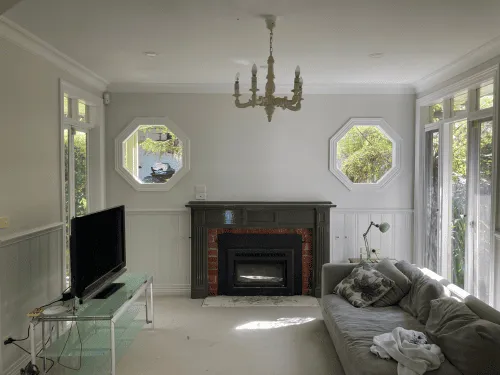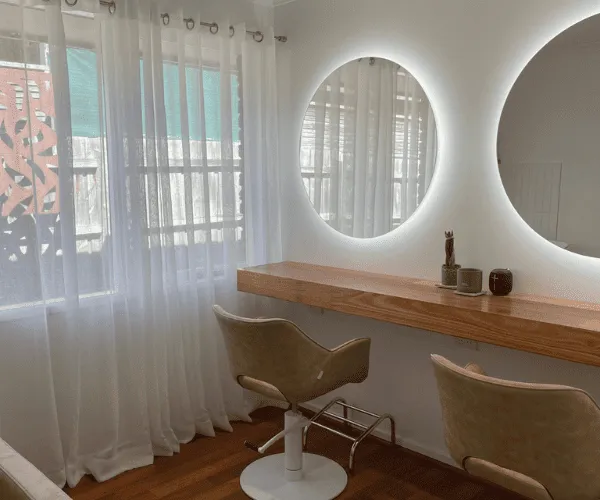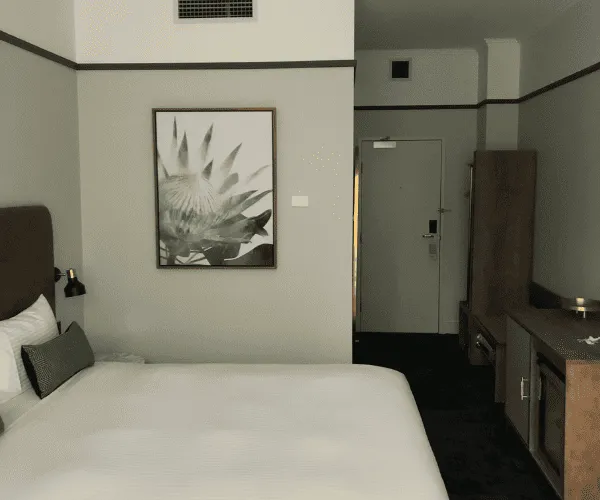
A vacant rental can make tired paintwork far more obvious. Marks around light switches, scuffs along hallways and uneven touch-ups can leave an otherwise sound property looking neglected at the very moment prospective tenants are forming an opinion. So, should landlords repaint between tenants? Often, yes – but it should be a practical decision based on condition, timing and the standard you want to set for the next tenancy.
Fresh interior paint is not required after every tenant leaves. However, planned repainting between tenancies is one of the most effective ways to protect presentation, simplify maintenance and keep a rental competitive in Melbourne’s busy leasing market.
Should landlords repaint between tenants?
The best answer is: repaint when the paintwork no longer presents the property cleanly or is no longer doing its job of protecting the surface beneath. A full repaint may be worthwhile after a long tenancy, while a targeted refresh can be enough after a shorter stay.
Landlords should not treat painting as a cosmetic extra only. Walls, ceilings, trims and doors take regular wear in a rental. Over time, small marks and old repairs build up. A professional repaint gives the property a clean, consistent finish and can prevent minor surface issues from becoming a larger maintenance job later.
It also helps avoid the rushed decisions that happen once a new tenant has been approved. The gap between tenants is usually the least disruptive time to carry out painting repairs, plaster repairs and decorating work. Trades can access empty rooms, prepare surfaces properly and complete the work without having to work around furniture or residents.
When a full repaint makes sense
A complete repaint is usually the right call where the existing colour scheme is dated, the finish is uneven across several rooms, or walls have widespread marks that cannot be resolved with local touch-ups. It is also worth considering when there have been multiple tenancies since the last full paint job.
High-traffic areas tend to show age first. Entry halls, living rooms, kitchens, corridors and children’s bedrooms often need attention before less-used rooms. Doors, skirting boards and window trims can also look tired even when the walls are still in reasonable condition. Refreshing these areas together creates a much better overall result than painting one wall at a time.
A full repaint can be especially valuable before marketing a higher-value rental or a home that has been substantially improved. New flooring, updated fittings or renovated bathrooms can lose impact if the surrounding paintwork looks worn. A neutral, professionally applied colour scheme gives applicants a cleaner canvas and helps the property photograph well for online listings.
There is a cost to repainting, of course. But a quality job generally lasts longer than repeated quick fixes, particularly when the correct preparation and suitable paint system are used. The goal is not to repaint unnecessarily. It is to spend once on a finish that stands up to normal rental use and supports the value of the asset.
When touch-ups are enough
Not every vacancy needs a full repaint. If the previous paint is relatively recent, the colour is still current and marks are limited to a few localised areas, careful touch-ups may be more cost-effective.
The key word is careful. Touch-up painting can look worse than the original mark when the paint colour has faded, the sheen does not match, or the new paint has been applied without proper preparation. Even paint mixed to the original colour can appear different after years of sunlight and cleaning.
Before choosing touch-ups, inspect the walls in natural light and look across the surface from different angles. If patches are likely to stand out, repainting the whole wall is often the cleaner option. For a consistent result, it may be sensible to repaint an entire room rather than chase marks one by one.
Fair wear and damage are not the same thing
Landlords and property managers need to separate ordinary wear from damage when reviewing a condition report. Paint naturally loses its fresh appearance over time through everyday living. Faded colour, light scuffing and general ageing may be considered fair wear and tear, depending on the tenancy length and circumstances.
Damage is different. Significant holes, unauthorised paint colours, deep gouges or marks caused by misuse may need specific assessment under the tenancy agreement and Victorian rental rules. It is wise to document the condition carefully at the start and end of every tenancy, with dated photos and clear notes.
This distinction matters because painting should not become an automatic charge passed on to an outgoing tenant. A planned maintenance repaint is generally a landlord expense. Where there is genuine damage, seek advice from your property manager or the relevant Victorian tenancy guidance before making any claim or deduction.
Choose colours that work for a rental
Rental properties benefit from colours that are durable in appearance and broad in appeal. Warm whites, soft greys and light neutral tones make rooms feel brighter, work with different furniture styles and allow applicants to picture themselves living in the space.
Very white walls can look sharp at handover, but they may show every minor mark in a busy household. In some areas, a subtle off-white or light grey can be more forgiving while still feeling clean and modern. The best choice depends on the natural light, flooring, cabinetry and the type of tenant the property is likely to attract.
Finish matters as much as colour. Washable low-sheen finishes are often a practical choice for walls, while tougher enamel-style coatings may suit doors, trims and skirting boards. A professional painter can recommend products that balance appearance, cleanability and longevity for each surface.
Plan the work around the vacancy period
Painting between tenants works best when it is part of a clear turnover plan. Arrange the final inspection, identify repairs, confirm the scope of work and allow enough time for preparation, painting and drying before professional cleaning or photography takes place.
Trying to compress every trade into one day is where quality can suffer. Paint needs clean, sound surfaces, and plaster repairs need sufficient time before they can be finished and painted. If there are carpentry repairs, moisture concerns or damaged trims, deal with those first rather than painting over an unresolved issue.
For property managers handling several rentals, keeping a record of paint colours, finishes and previous works can save time at every vacancy. It makes quoting clearer, reduces colour-matching problems and helps you decide whether a small repair or a full repaint represents better value.
What to ask your painter
A clear quote should explain what is being painted, what preparation is included and whether minor surface repairs are allowed for. Ask whether walls, ceilings, doors, trims and cupboards are included, as these items are often priced separately.
It is also useful to confirm the expected turnaround, the paint system proposed and how the property will be protected while work is underway. Reliable communication is particularly valuable when cleaning, inspections and new tenant move-in dates all need to line up.
A well-presented rental sets the standard
Fresh paint does more than make a property look good on inspection day. It signals that the home has been cared for and maintained properly. That first impression can help attract tenants who value the same standard of care.
For landlords, the sensible approach is to inspect the paintwork at every vacancy, budget for maintenance before it becomes urgent and choose the level of work that matches the property’s actual condition. A professional painting team can assess whether targeted repairs will do the job or whether a full repaint will provide the better long-term result. WE DO Painting helps Melbourne landlords and property managers prepare rentals with dependable workmanship, clear quoting and finishes built for everyday use.