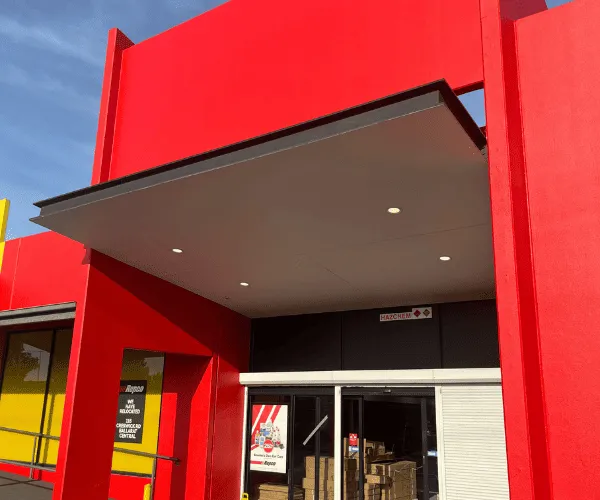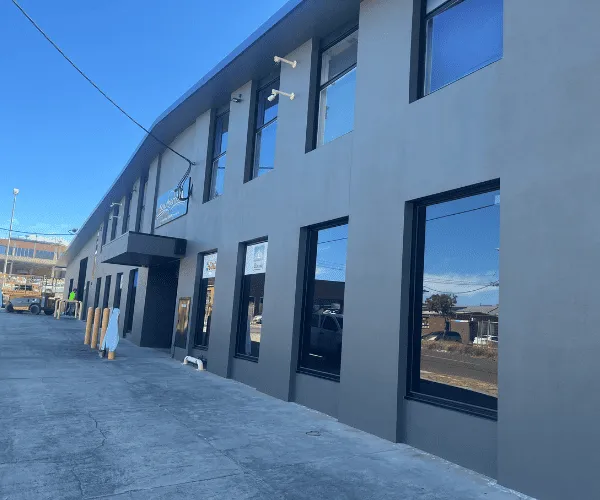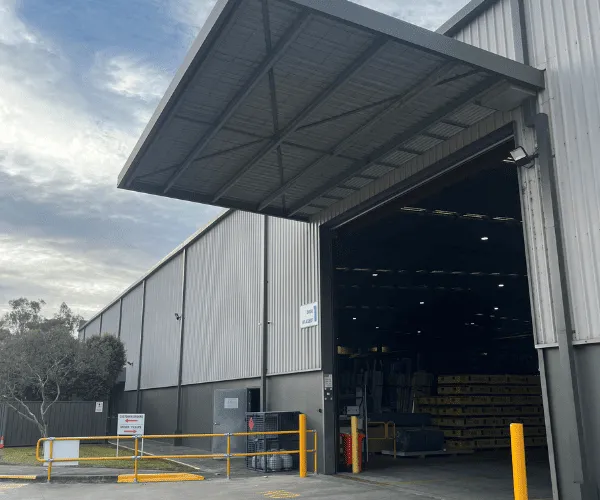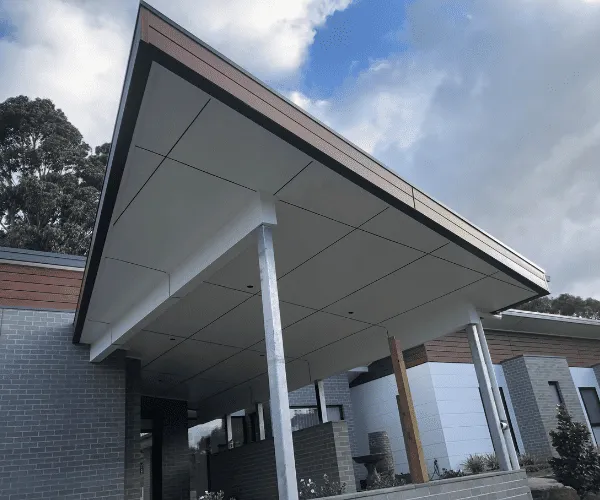
Maintenance Painting That Protects Your Property

Maintenance Painting That Protects Your Property

Maintenance painting protects homes, businesses and facilities from weather and wear, helping keep surfaces presentable, protected and ready for work.

A property rarely needs attention all at once. More often, small areas begin to look tired, exposed surfaces lose their protection, or high-traffic spaces no longer reflect the standard you want to present. Maintenance painting addresses these issues before they become larger, more disruptive repairs.

For homeowners, it keeps a house looking cared for and helps protect exterior materials from Melbourne’s changing weather. For property managers, business owners and facility operators, it supports a professional presentation, protects assets and makes maintenance costs easier to plan.

What maintenance painting involves

Maintenance painting is planned painting and surface care carried out to preserve a property, rather than waiting for a full refurbishment. The scope can be as focused as refreshing a weathered window frame, stairwell or office wall, or as broad as a staged program across a commercial site, apartment complex or industrial facility.

The right work starts with an inspection. A professional painter looks beyond the visible finish to assess surface condition, previous coatings, moisture exposure, movement, impact damage and areas that receive heavy use. This helps determine whether a straightforward repaint is suitable or whether plaster repairs, timber repairs, sealing or other preparation is needed first.

Good preparation is the part that makes maintenance work last. Surfaces may need cleaning, sanding, filling, patching and priming before the top coats are applied. Skipping these steps can save time at the start, but it often shortens the life of the finish and leads to more frequent call-outs.

Why planned painting costs less than reactive work

Painting is often treated as a cosmetic expense until a surface deteriorates enough to demand urgent action. By then, access may be more difficult, preparation may be more extensive and work may need to happen quickly around tenants, customers or operations. That is where budgets can become unpredictable.

A planned approach gives you more control. You can prioritise the areas that matter most, schedule work during quieter periods and spread projects across the year where appropriate. A shopfront may be refreshed before a seasonal launch, while an office can be painted over a weekend to reduce disruption. At home, exterior touch-ups can be organised before prolonged wet weather puts further pressure on exposed timber and masonry.

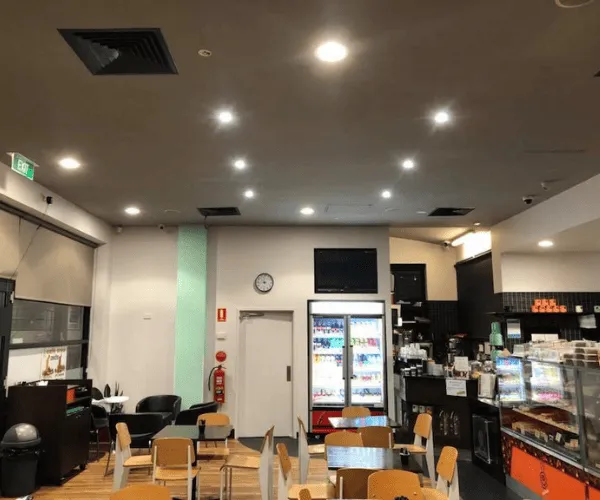
There is also a presentation benefit. Fresh, well-maintained paint sends a clear message that the property is managed properly. That matters when selling or leasing a home, welcoming clients to a workplace, or maintaining standards across a strata or industrial site.

Protection is as important as appearance

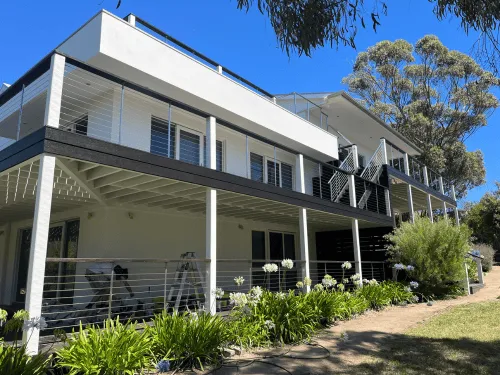
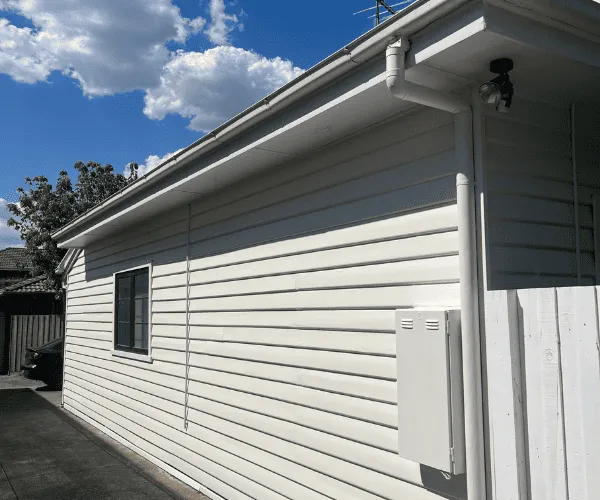
Exterior coatings form part of a building’s protective system. Sun, rain, wind, condensation and airborne grime gradually affect painted surfaces, particularly on fascias, eaves, fences, metalwork and timber features. Regular inspections make it easier to identify areas where the coating is no longer doing its job.

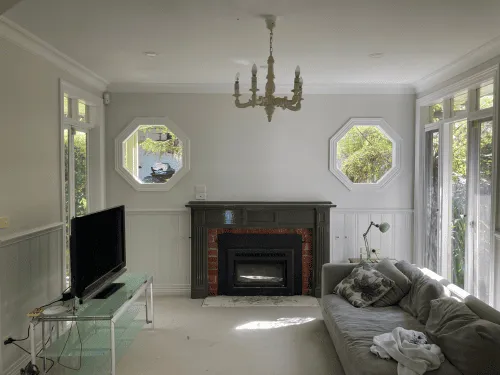
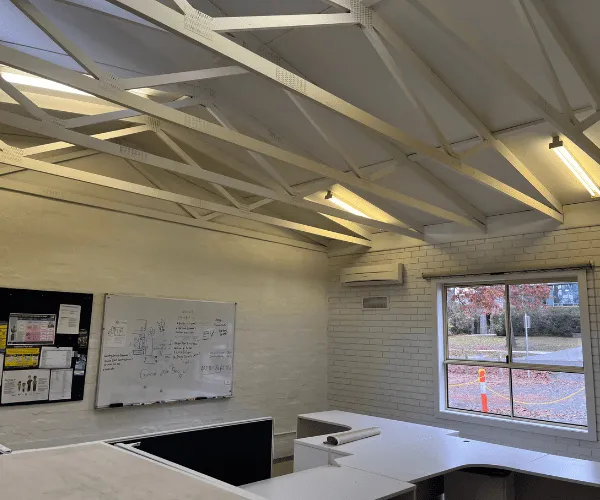
Inside, maintenance is often driven by daily use. Hallways, stairwells, reception areas, kitchens, bathrooms and loading areas can collect marks and suffer knocks far faster than low-traffic rooms. Selecting a suitable washable or hard-wearing coating helps keep these spaces easier to clean and maintain between painting cycles.

The best paint system depends on the surface and its environment. A coating that suits an internal plaster wall may not be appropriate for exterior render, steel, timber or concrete. This is why material knowledge and proper product selection matter as much as choosing the right colour.

Signs it is time to organise painting maintenance

You do not need to wait for major visible damage before arranging an assessment. Fading colour, chalky residue, cracking around joints, stains that no longer clean away, rust marks, scuffed high-traffic walls and failed sealant around painted areas are all reasons to act.

Look closely at places that are easy to miss: under eaves, around windows, near gutters, on boundary fences, in stairwells and behind service doors. These areas often experience moisture, poor ventilation or heavy use without receiving the same attention as prominent rooms and façades.

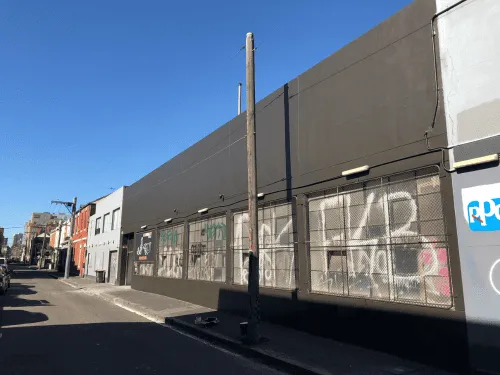
For commercial properties, maintenance should also be reviewed when the business changes. A new tenancy, updated branding, a fit-out, increased foot traffic or a forthcoming inspection can all alter what the building needs. A smaller refresh completed at the right time can avoid the need for a rushed, larger project later.

A practical maintenance schedule for Melbourne properties

There is no single timetable that suits every building. Coastal exposure, tree cover, building orientation, materials, traffic levels and previous paint quality all influence how long a finish will perform. A house with exposed western walls may need more frequent attention than a sheltered property, while a busy medical clinic will have different needs from a private office.

As a practical starting point, inspect exterior painted surfaces annually and after severe weather. Check interior high-use areas every six to 12 months, especially in commercial buildings, rental properties and shared spaces. This does not mean every area will need painting each year. It means issues can be identified, documented and prioritised before they affect more of the property.

For larger sites, a maintenance plan can divide work into manageable stages. One year may focus on external elevations and metalwork, followed by common areas, amenities or internal offices. This approach supports budget control while keeping standards consistent across the site.

Reducing disruption during the work

One of the main concerns for property owners is downtime. Professional maintenance painting should be organised around how the property is used, not simply when a painter has availability.

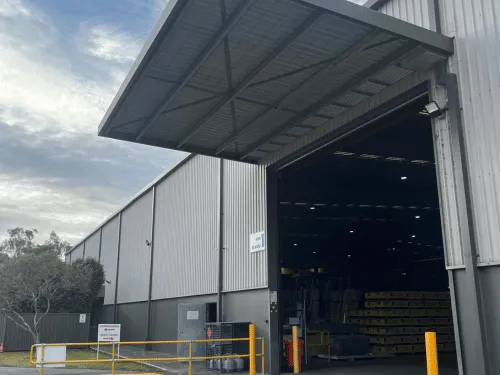
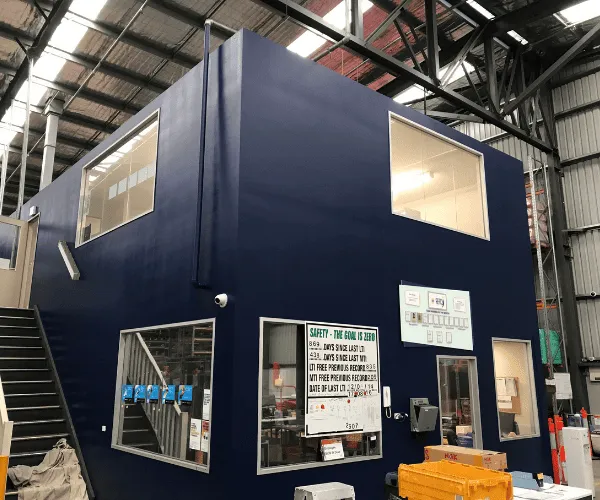
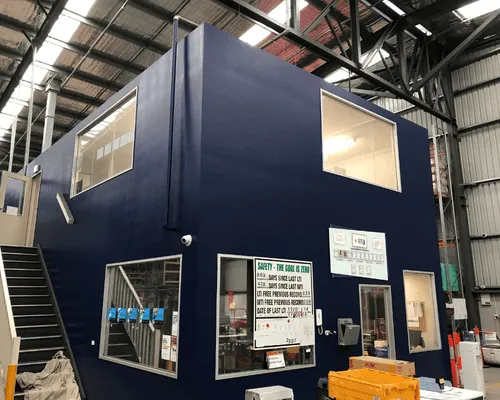
In a family home, that may mean protecting furnishings, keeping work zones tidy and planning around school or work commitments. In a business, it may involve after-hours work, weekend scheduling, sectioning off areas or completing the project in stages. For industrial facilities, access requirements, safety procedures and operational schedules need to be discussed before work begins.

Clear communication makes a real difference. Before the job starts, you should know which areas are being painted, what preparation is required, how long each stage is expected to take and whether there are any access or ventilation considerations. A detailed quote helps prevent confusion and gives you a sound basis for comparing scope, not just price.

Choosing a painter for ongoing maintenance

Maintenance work requires the same care as a major repaint, even when the job is smaller. Look for a painter who can assess the cause of the issue, explain the preparation required and recommend a coating system suited to the surface. The cheapest quote is not always the best value if it leaves out repairs, surface preparation, protection of surrounding areas or enough coats for a durable finish.

Experience across residential, commercial and industrial settings is valuable because each property type has different practical demands. A painter working on a family home needs to respect the space and minimise mess. On a commercial site, they need to coordinate with staff and tenants. In an industrial setting, safety, access and coating performance may be central to the job.

At WE DO Painting, the focus is on practical painting and repair work that keeps Melbourne properties looking professional and properly protected. Whether the work is a targeted touch-up or part of a broader maintenance program, the goal is the same: quality preparation, reliable workmanship and a finish that holds up.

A well-timed inspection is often the simplest next step. It gives you a clear view of what needs attention now, what can be planned for later and how to keep your property in good working order without unnecessary disruption.