A fresh coat of paint can make a dated room feel cared for or give a weathered exterior a completely different presence from the street. But before choosing colours, most property owners want a clear answer to one question: how much does house painting cost? The honest answer is that it depends on the size of the job, the condition of the surfaces and the preparation needed to achieve a finish that lasts.
For Melbourne homes, professional painting is usually priced as a project rather than a flat rate. A detailed quote should account for labour, materials, preparation, protection of your home and the number of coats required. That approach gives you a more reliable figure than an online calculator because it reflects the work actually needed at your property.
How much does house painting cost?
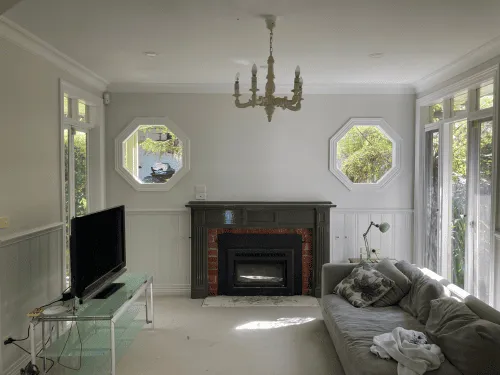
As a general guide, a professional interior painting project for a smaller home or apartment may start from around $2,500 to $5,000. Painting the interior of an average three-bedroom house can commonly range from $5,000 to $12,000 or more, depending on ceilings, trims, repairs and the level of detail involved.
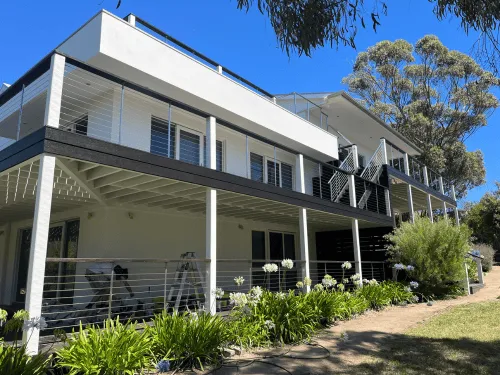
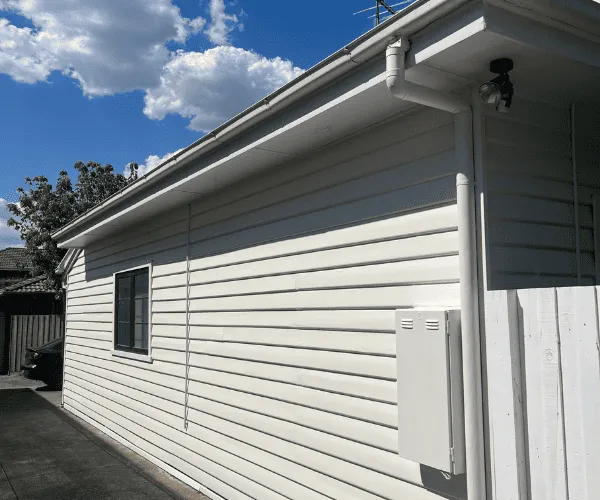
Exterior house painting often starts around $4,000 for a compact single-storey property, with many full exterior projects falling between $7,000 and $18,000. Larger homes, double-storey properties, period homes and properties requiring extensive preparation can sit above this range.
These figures are useful for early budgeting, not a substitute for a site inspection. Two houses with the same number of bedrooms can require very different amounts of work. One may have straightforward, accessible walls, while the other has high ceilings, detailed timberwork, difficult access or surfaces needing repairs before paint can be applied.
What is included in a professional painting quote?
A proper painting quote should make it easy to understand what you are paying for. It should identify the areas being painted, the preparation work, the paint system, the number of coats and any additional repair work. It should also clarify whether ceilings, doors, skirting boards, window frames, fences, decks or other features are included.
Preparation is often the part of the job that determines both the cost and the final result. Professional painters clean surfaces, fill minor cracks and holes, sand where required, protect floors and furnishings, prime suitable areas and mask adjoining surfaces carefully. Exterior work may also involve washing down surfaces, treating weathered timber and addressing damaged sections before painting begins.
Quality materials are another factor. Premium paint can cost more upfront, but it generally offers stronger coverage, a more consistent finish and better long-term protection in the right application. A reliable painter will recommend products suited to the surface and location rather than using one paint for every part of the property.
The main factors that affect painting costs
Size and layout of the property
More surface area means more labour and materials, but floor size is only one part of the calculation. A home with open-plan spaces may be quicker to paint than a smaller home with numerous rooms, hallways, doors and detailed trims. Ceiling height also matters. Stairwells, voids and high external elevations take more time to access and complete safely.
Interior or exterior painting
Interior painting is generally less affected by weather and access, although moving and protecting furniture can add time. Exterior painting requires careful planning around Melbourne conditions, as well as safe access to walls, eaves, fascias, gutters and upper levels. The paint system must also protect the building against sun, rain and changing temperatures.
Surface condition and repairs
Painting works best when the surface beneath it is sound, clean and properly prepared. Plaster damage, cracking, water staining, timber deterioration and old coatings in poor condition can all add to the scope. These issues should be addressed before painting, not hidden beneath a new coat.
This is where a full-service contractor can save time. When painting, plaster repairs and minor carpentry needs are coordinated through one team, there is less back-and-forth between trades and a clearer plan for the whole job.
Access and site requirements
A single-storey home with clear access around the perimeter is usually more straightforward than a double-storey house built close to neighbouring properties. Ladders, scaffold, elevated work platforms and extra safety measures can affect the price. For apartments, access arrangements, parking, lift use and body corporate requirements may also influence the schedule and cost.
Colours, finishes and detail work
Changing from a dark colour to a light one may require extra coats for even coverage. Feature walls, contrasting trims, detailed cornices, ornate timberwork and multiple door frames all take additional care. The same applies to speciality finishes that demand particular products or application methods.
A good quote will not treat these details as an afterthought. It will set out the scope so you know whether you are receiving a simple refresh or a detailed transformation.
Why the cheapest quote is not always the best value
It is tempting to compare painting quotes by the final number alone. However, a lower price can reflect a smaller scope, fewer coats, limited preparation, lower-grade materials or exclusions that only become clear once work is underway.
When reviewing quotes, look for the detail behind the price. Are all agreed rooms and surfaces listed? Is preparation explained? Are paints and finishes specified? Is there an allowance for repairs, access equipment or protection of furniture and floors? A clear quote helps prevent surprises and allows you to compare like for like.
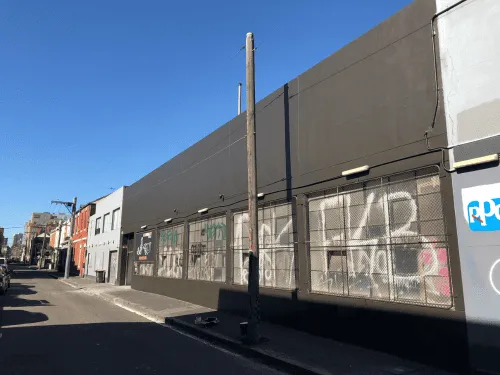
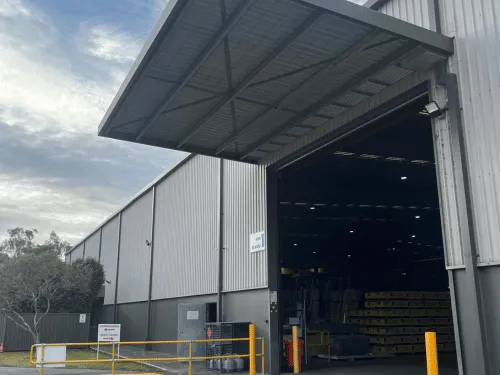
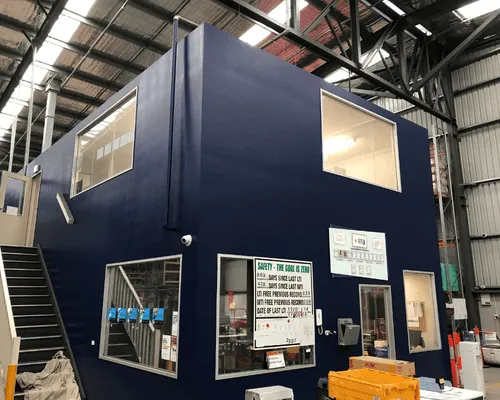
There is also value in dependable communication. A painting project affects how you use your home or business, so you need a team that arrives as agreed, keeps the site tidy and lets you know what is happening at each stage. For property managers and commercial clients, reliable scheduling and minimal disruption can be just as important as the paint finish itself.
Ways to manage your painting budget
You do not need to paint every surface at once to make a meaningful improvement. If budget is limited, start with the areas that receive the most use or have the greatest impact, such as living areas, entryways, street-facing elevations or high-traffic commercial spaces. A staged plan can spread costs while keeping colours and finishes consistent across the property.
Preparing the space before painters arrive can also help the job run efficiently. Removing personal items, clearing smaller furniture where practical and confirming colour choices early reduces delays. Larger furniture, floor protection and careful masking should still be handled as part of the professional process.
Be cautious about taking shortcuts on preparation or choosing paint purely on its ticket price. The work below the final coat is what supports a clean, durable result. Spending appropriately on the right scope can reduce the need for early maintenance and keep the property looking professional for longer.
Getting an accurate house painting quote
The best way to understand your likely cost is to arrange an on-site assessment. A painter can inspect the surfaces, measure the areas, discuss your colour plans and identify any repairs or access issues that may affect the job. You can then receive a written scope tailored to your property rather than a broad estimate based on room numbers alone.
Before requesting a quote, think about what you want included. Decide whether you are painting walls only or also ceilings, trims, doors and external features. Let the painter know about time constraints, tenants, pets, access restrictions and any known surface concerns. The more clearly the project is defined, the more accurate the quote will be.
For Melbourne homeowners and property managers, WE DO Painting provides professional interior, exterior and maintenance painting with practical advice from the first inspection through to the final finish. A clear scope, experienced workmanship and honest communication are the foundation of a painting job that feels worth the investment.
The right question is not only what painting will cost this week. It is what level of preparation, care and finish will keep your property looking its best well after the brushes are packed away.