A buyer can forgive an old light fitting or dated tapware. What turns them off faster is a home that feels tired the moment they walk through the door. That is why interior repainting for property sales is often one of the smartest jobs to do before a campaign starts. Fresh paint helps a property look cleaner, brighter and better cared for, which can shape buyer interest before anyone starts talking numbers.
For sellers, the real question is not whether paint matters. It is where repainting makes the biggest difference, how far to take it, and whether the cost is likely to come back in stronger offers. The answer depends on the condition of the home, the target market and the timeline, but in many cases a well-planned repaint gives a property a clearer advantage with relatively little disruption.
Why interior repainting for property sales works
Buyers make fast judgements. Long before they measure a bedroom or ask about settlement terms, they are reacting to how the property feels. Freshly painted interiors help create a sense of order and upkeep. Walls look cleaner, natural light bounces better and rooms tend to feel more spacious.
There is also a practical side to this. A lived-in home usually picks up marks, uneven finishes and colour choices that suit the current owner more than the next one. Repainting resets the space. It makes it easier for buyers to imagine their own furniture, artwork and routine in the home.
This matters even more in online listings. Professional photos pick up wall condition quickly. A room with fresh, even paint reads as crisp and well presented. A room with patchy surfaces or heavy colour contrast can feel smaller and less inviting on screen, which may reduce enquiry before buyers even book an inspection.
The rooms that usually matter most
Not every property needs a full interior repaint. Sometimes the best result comes from targeting the rooms buyers notice first and remember longest.
Living areas and entry spaces
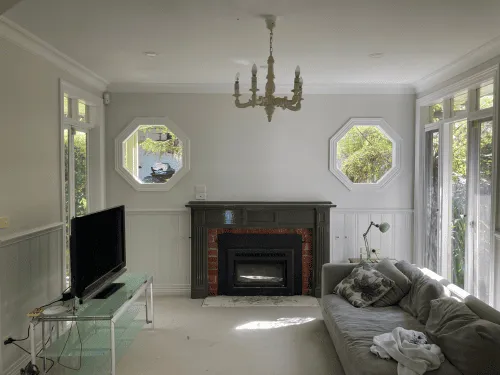
These areas do most of the heavy lifting during inspections. They shape the first impression and set the tone for the rest of the home. If walls are marked, dark or dated, repainting here can have an immediate impact on the sense of cleanliness and light.
Kitchens and dining areas
You do not always need a full renovation to improve these spaces. If cabinetry and benchtops are staying as they are, repainting surrounding walls and ceilings can still sharpen the overall presentation. It helps the room look maintained rather than halfway through its lifespan.
Bedrooms
Bedrooms should feel calm and easy to place. Strong feature colours can narrow buyer appeal, especially in family homes where people are trying to picture different uses for each room. A cleaner, lighter palette usually gives these spaces more flexibility.
Hallways, stairwells and ceilings
These areas are often overlooked by owners because they are part of everyday life. Buyers notice them because they connect the entire home. Hallways with visible wear can drag down the feel of the property, even if the main rooms present well.
What colours help a property sell
The safest choice is not always plain white, and the boldest choice is rarely the best one. For most sales campaigns, neutral colours with some warmth give the broadest appeal. They keep rooms feeling bright without looking stark, and they work across a wide range of furniture styles.
Soft whites, light greys and warm neutrals are common for a reason. They make it easier to create a fresh backdrop while still feeling liveable. In Melbourne homes, where natural light can vary a lot from room to room, colour selection should also respond to orientation. A cool white in a darker room can feel flat. A warmer tone may help it feel more balanced.
That said, every property is different. A contemporary apartment might suit a cleaner palette, while a period home can benefit from colours that respect its character. The goal is not to erase personality. It is to present the home in a way that feels well considered and easy for buyers to step into.
When a full repaint makes sense and when it does not
A full interior repaint is usually worth considering if colours vary sharply from room to room, the property has not been painted in years, or several surfaces are affecting presentation at once. In those cases, piecemeal touch-ups can leave the home looking inconsistent.
But not every sale needs that level of work. If the existing scheme is fairly neutral and the home is generally in good condition, targeted repainting may be enough. Often that means focusing on feature walls, scuffed high-traffic areas, ceilings in key rooms and any surfaces that stand out in listing photos.
This is where practical advice matters. Overspending before sale can eat into your return if the market is price sensitive or the home is being sold mainly for land value. On the other hand, underdoing it can make the property look harder to maintain than it really is. The right scope sits somewhere between cosmetic overkill and doing nothing.
Presentation is not just about paint
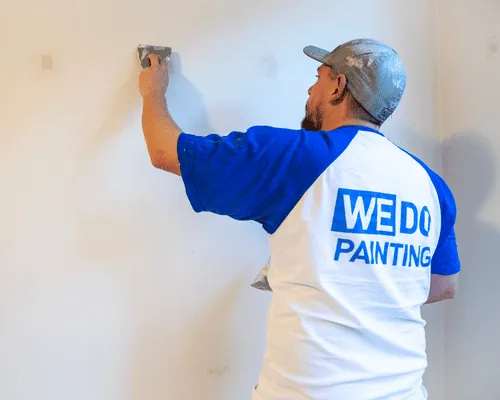
Paint does a lot, but it works best as part of a broader presentation plan. If there are minor plaster issues, timber trim that needs attention or areas that require basic repairs before painting, those jobs should be handled properly. A good finish relies on the condition underneath it.
This is one reason sellers often prefer a contractor who can manage more than just the painting itself. When preparation, repairs and painting are coordinated together, the result is usually cleaner and more efficient. It also reduces the stress of chasing multiple trades in the middle of a sales campaign.
Timing the work before going to market
The best time to organise repainting is before photos, styling and open inspections are locked in. Leaving it too late can create pressure around drying times, furniture movement and access. It can also force rushed decisions on colour and scope.
If you are working to a tight selling timeline, start with the rooms that shape first impressions and online presentation. A reliable painter should be able to advise what can realistically be completed in the available window without cutting corners.
Occupied homes need a slightly different approach from vacant ones. In a vacant property, access is easier and the work can move faster. In an occupied home, planning matters more. Furniture may need to be shifted, certain areas may need to be staged in sequence and disruption should be kept manageable.
How buyers read a freshly painted home
Fresh paint sends a simple message. The property has been cared for. That matters because buyers are always trying to judge what else sits behind the obvious. If the visible surfaces are presented well, people tend to feel more confident about the home overall.
Of course, paint is not a magic fix. It will not make a poor floorplan disappear or turn an outdated kitchen into a new one. What it can do is remove unnecessary objections. It gives buyers fewer reasons to hesitate and more room to focus on the strengths of the property.
That is especially useful in competitive markets, where several similar homes may be listed at the same time. When buyers inspect multiple properties in one weekend, the ones that feel brighter, cleaner and easier to move into often stay top of mind.
Choosing a painter for sale preparation
For pre-sale work, speed alone is not enough. You need clear quoting, realistic timelines and workmanship that holds up under close inspection. The finish has to look good in natural light, in photography and during open homes.
It also helps to work with a team that understands the difference between painting for long-term personal taste and painting for market appeal. Those are not always the same thing. A practical, results-driven recommendation can save both time and money.
For homeowners and property managers across Melbourne, that usually means choosing painters who can assess the property honestly, identify where repainting will have the strongest effect and handle any related repairs without turning a simple project into a drawn-out one.
A sale campaign already comes with enough moving parts. If interior repainting is done properly, it should make the process easier, not harder. The best result is a home that feels fresh, photographs well and gives buyers one less reason to hold back. If you are preparing a property for market, start with the surfaces people see first and make each room feel ready for its next owner.