How Often Should Walls Be Repainted?

How Often Should Walls Be Repainted?

How often should walls be repainted? Learn what affects repainting timelines for homes, rentals and businesses, and when fresh paint is worth it.

A wall can look fine one year, then suddenly make the whole room feel tired the next. That is usually when people start asking how often should walls be repainted, and the honest answer is not every wall follows the same schedule. Traffic, sunlight, moisture, surface prep and the quality of the last paint job all make a difference.

If you are trying to plan maintenance rather than wait until a room looks worn out, a good rule is to think in ranges. Most interior walls in a well-kept home are repainted every 5 to 8 years, but high-use areas often need attention sooner. In commercial spaces, timing can be shorter again because presentation and daily wear matter more.

How often should walls be repainted in different spaces?

The best repainting schedule depends on what the room has to put up with day after day. A formal living room does not age the same way as a hallway, and an office reception area does not wear like a private meeting room.

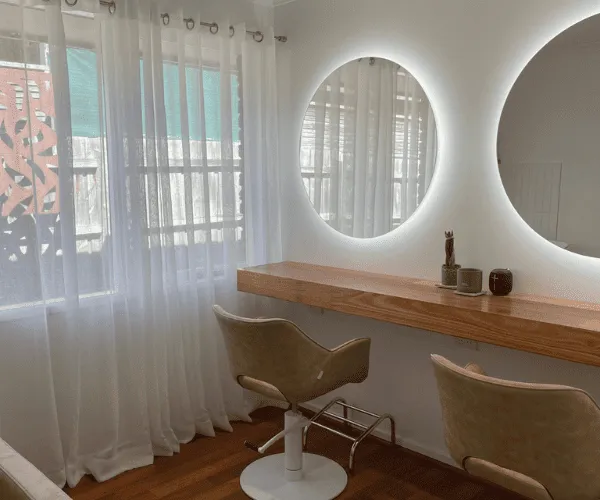
Bedrooms usually last around 5 to 8 years, sometimes longer in adult bedrooms with stable furniture layouts and less daily contact with the walls. Living rooms and dining rooms often sit in a similar range, especially when they are not exposed to strong afternoon sun.

Hallways, entryways and stairwells tend to need repainting every 3 to 5 years. These are high-traffic zones where marks, scuffs and general wear build up faster. If you have children, pets or a busy household, the shorter end of that range is more realistic.

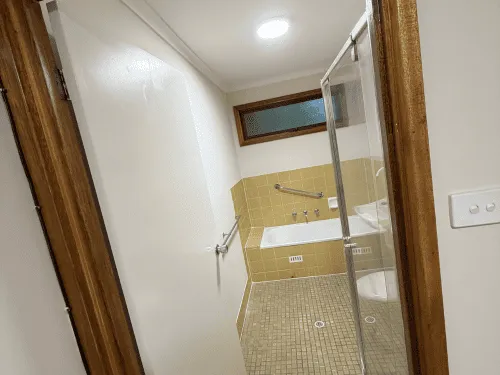
Kitchens, laundries and bathrooms are affected by heat, steam, grease and moisture, so repainting every 3 to 4 years is common. Good ventilation helps, but these areas work harder than most other rooms.

Ceilings usually last longer than walls, often 7 to 10 years, unless there is smoke, cooking residue or moisture issues. That said, if you repaint walls and leave a tired ceiling untouched, the whole finish can feel uneven.

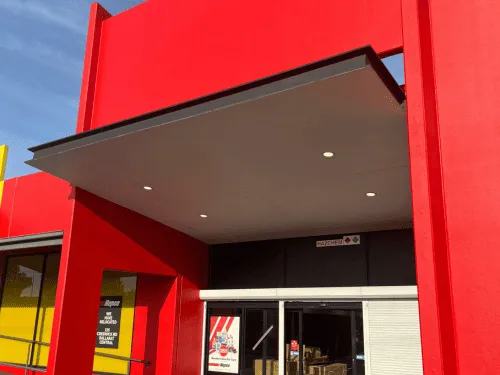
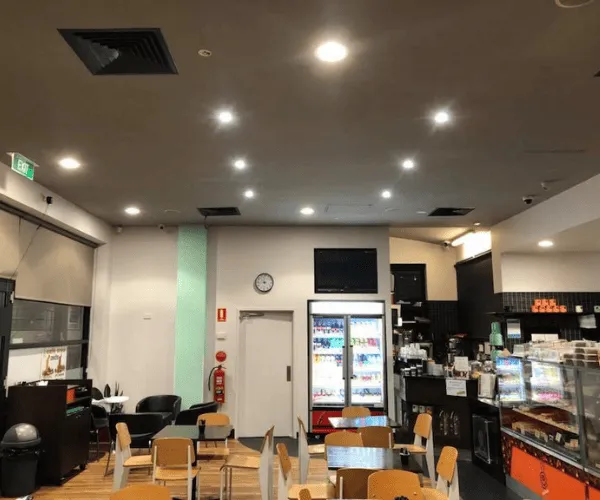
For rental properties, repainting often happens every 3 to 7 years depending on tenant turnover, wear and the standard you want to maintain. For commercial interiors, especially retail, hospitality or customer-facing offices, a 2 to 5 year cycle is common because appearance directly affects how the business is perceived.

What actually shortens the life of a paint job?

Paint does not age in a straight line. Two rooms painted on the same day can look very different three years later.

Sunlight is a major factor. Rooms with strong natural light, especially west-facing spaces, can fade faster and show patchiness sooner. Dark colours often make this more obvious. If a wall gets regular sun for hours each day, it may need repainting earlier than the rest of the house.

Moisture is another big one. Bathrooms, kitchens and some laundries go through regular temperature and humidity changes. Even when the paint still appears mostly intact, the finish can start looking dull or uneven over time.

Daily contact matters more than people think. Hallways, corners, dining zones and walls around light switches all cop more knocks, fingerprints and rub marks than low-traffic rooms. In family homes, these areas usually tell you first when the property is ready for fresh paint.

Then there is the quality of the previous job. Proper preparation, sound repairs, the right primer and a suitable paint system all affect how long the finish lasts. A rushed job might look acceptable at first, but it often shows wear much earlier.

Signs your walls are ready for repainting

A repaint is not only about obvious damage. Often, the first sign is that the room no longer feels clean or sharp, even after a proper tidy-up.

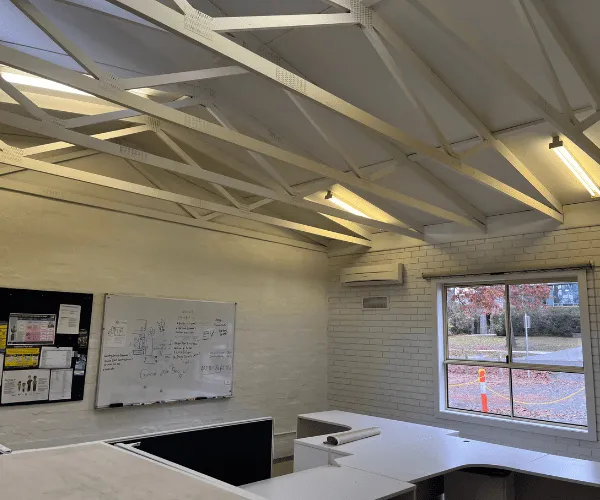
Fading is one of the most common indicators, particularly on walls that catch a lot of daylight. You may also notice uneven sheen, stubborn marks that no longer wash off well, or visible patching from older touch-ups. In some homes, the paint colour itself simply starts dating the room.

For property managers and business owners, the trigger is often presentation rather than condition alone. If the space looks tired, dull or inconsistent, it can affect tenant appeal, customer confidence and the overall standard of the property.

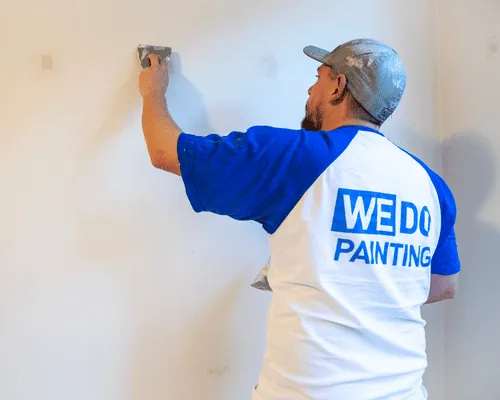
It is also worth paying attention to repairs. If plaster work has been done, or there are several patched sections across the room, repainting the full wall usually gives a cleaner and more consistent result than trying to spot-fix everything.

How often should walls be repainted if you want to protect value?

If your goal is to maintain the value and presentation of a property, repainting should be treated as planned upkeep, not a last-minute cosmetic fix.

For owner-occupiers, that usually means repainting high-use areas before they become noticeably tired. This keeps the home feeling looked after and avoids the bigger reset that comes when multiple rooms are overdue at once.

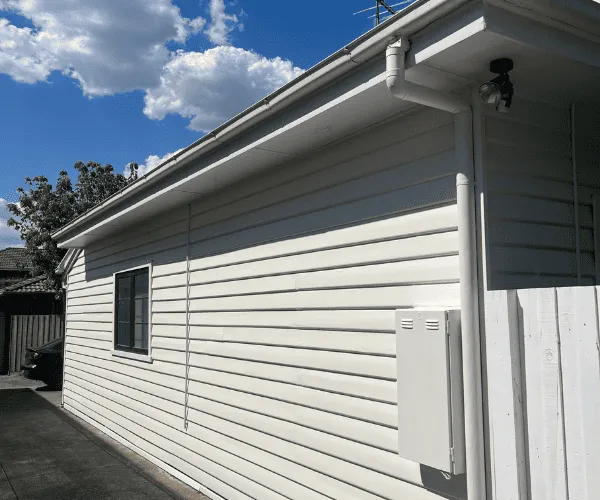
For landlords, regular repainting can help reduce vacancy time and improve first impressions during inspections. Tenants notice clean, fresh interiors. So do prospective buyers. A property that feels maintained tends to present better across the board.

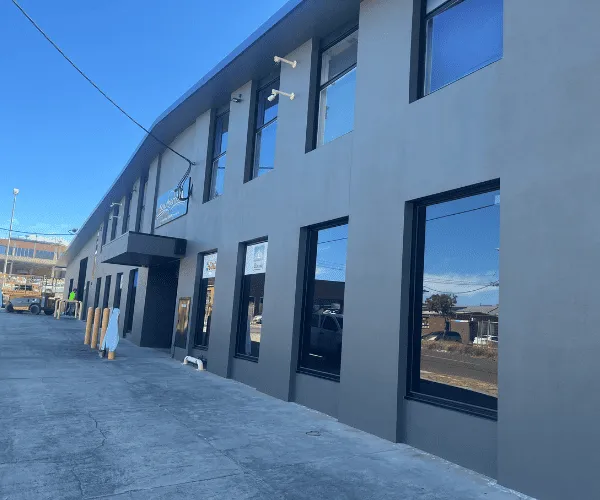
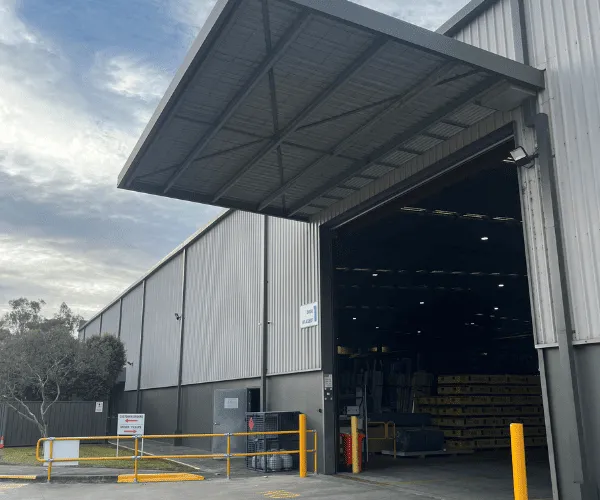
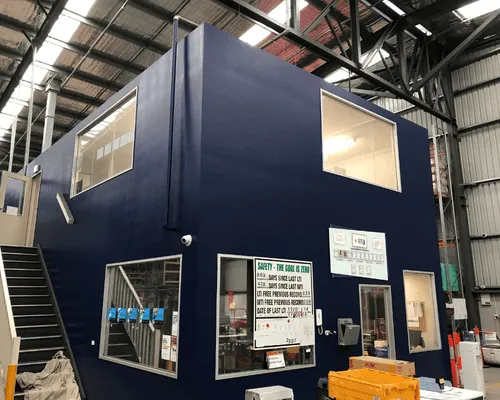
In commercial and industrial settings, repainting is often part of broader maintenance planning. Offices, warehouses, shopfronts and common areas all benefit from a schedule that balances appearance, wear and operational downtime. Leaving surfaces too long can make the eventual works larger and more disruptive than they need to be.

Should you repaint the whole house at once?

Not necessarily. In many cases, a staged approach makes better financial and practical sense.

If only the hallways, kitchen and living areas are showing wear, it can be more efficient to repaint those first and leave lower-use rooms for later. This spreads cost over time and reduces disruption. It also lets you prioritise the areas that most affect daily living or customer impression.

That said, whole-home repainting has advantages when colours are changing throughout the property or when you want a more consistent finish. It can also be more efficient if access, furniture moving and scheduling are easier to handle in one go.

The same logic applies in commercial spaces. A staged maintenance plan often works well for larger properties, but front-of-house areas may need to stay ahead of back-of-house spaces because they carry more visual weight.

Choosing the right timing matters

There is a practical side to timing a repaint well. If you act when walls are starting to look worn rather than waiting until every room is overdue, preparation is often more straightforward and results are easier to maintain.

Season can also play a part, especially when coordinating around business operations, tenancy changes or family schedules. Many property owners choose quieter periods when access is easier and disruption is lower. In Melbourne, planning ahead also helps avoid the stop-start pressure that comes with booking trades at short notice during busy periods.

A repaint should not feel like guesswork. Once you know which rooms age faster and what signs to watch for, it becomes much easier to make the call at the right time.

A better way to think about repainting

Instead of asking for one rule for every wall, it helps to think in terms of use, exposure and presentation. Low-traffic rooms may comfortably last close to a decade. Busy hallways, bathrooms, rentals and commercial interiors usually will not.

If your walls are making the space feel older, darker or less cared for than it really is, that is often the right time to act. A well-timed repaint does more than freshen the colour. It helps the whole property look maintained, professional and worth looking after.