When Is the Best Time to Paint?

When Is the Best Time to Paint?

When is the best time to paint? Learn how weather, temperature, humidity and timing affect interior and exterior painting results.

A paint job can look excellent on day one and still fall short if it was done in the wrong conditions. If you are wondering when is the best time to paint, the short answer is this: when temperature, humidity, ventilation and surface condition are all working in your favour.

That answer matters whether you are freshening up a bedroom, planning a full exterior repaint, or managing maintenance for a commercial site. Timing affects how well paint dries, how evenly it goes on, how long it lasts, and how much disruption the job causes. The best results usually come from matching the project to the conditions rather than forcing the work into a convenient date.

When is the best time to paint inside or outside?

For most interior painting, the best time is when you can control airflow and room temperature. For most exterior painting, mild and dry weather is the safest window. In Melbourne, that often means autumn and spring are strong options, but the right timing still depends on the building, the surface and the product being used.

There is no single perfect month for every job. A well-timed interior repaint in winter can work beautifully if the home has good ventilation and stable indoor temperatures. An exterior project in summer can also be a smart choice, provided the painters avoid the hottest parts of the day and work around direct sun.

Why timing makes such a difference

Paint needs the right conditions to cure properly. If the air is too cold, too hot or too damp, drying times can change quickly. That affects finish quality and can create extra work, especially on larger homes, commercial sites or maintenance projects where multiple coats and repairs need to be coordinated.

Good timing also helps with planning. Homeowners want less disruption. Property managers want predictable scheduling. Business owners want work completed efficiently and safely. Choosing the right window gives painters the best chance to deliver a clean, consistent result without avoidable delays.

Best time to paint exterior surfaces

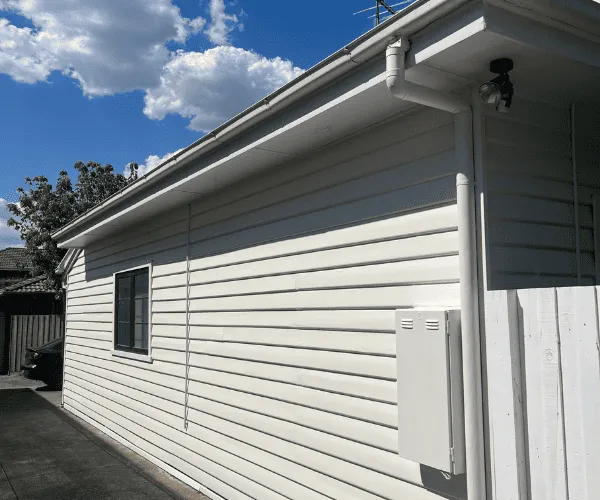
Exterior painting is usually more dependent on the weather than interior work. The ideal conditions are generally dry days, mild temperatures and low to moderate humidity. That gives the paint time to settle and cure as intended.

In practical terms, early autumn and spring are often the most reliable seasons for exterior painting in Melbourne. The days are usually more moderate, and surfaces are less likely to be exposed to extreme heat. That said, not every spring week is suitable, and not every autumn day is the same. Sudden rain, strong wind and sharp overnight temperature drops can all affect the schedule.

Temperature matters more than people think

Most paints perform best within a specific temperature range, and that includes both the air and the surface being painted. If a wall has been sitting in full sun, it can be far hotter than the day’s official temperature. Paint applied to overheated surfaces can dry too quickly, making it harder to achieve an even finish.

Cold weather causes different problems. It can slow drying times and make recoating more difficult to time properly. If the temperature drops too much overnight, the paint may not cure the way it should. That is why experienced painters look beyond the forecast and consider the full day, including the surface temperature and what the weather will do after the work is finished.

Rain and humidity can change the plan fast

Dry weather is not just about avoiding wet walls. High humidity can interfere with drying even when it is not raining. If moisture stays in the air for too long, exterior coatings can take longer to set, which affects productivity and finish quality.

This is one reason why professional exterior painting schedules need flexibility. A quote and start date are important, but so is the ability to adjust around conditions that are not worth risking. A reliable painter will tell you when to proceed and when it makes more sense to wait a day or two.

Best time to paint interiors

Interior painting gives you more control, which is why it can be done successfully across more of the year. The best time to paint indoors is when rooms are dry, ventilated and easy to keep at a steady temperature.

For homeowners, that often means planning around daily life rather than just the season. School holidays, tenancy changeovers, office shutdowns and renovation schedules can all affect what the “best time” looks like. A vacant property is naturally easier to paint quickly, but an occupied property can still be handled well with the right staging and communication.

Winter can be fine for interior painting

Many people assume winter is a bad time to paint, but that is not always true. If windows can be opened when needed, heaters are used sensibly and the rooms stay dry, winter interior painting can work well. In some cases, it is a practical time to get the work done before the busier exterior season.

The key is ventilation. Paint needs airflow to dry properly, and rooms that are shut up too tightly can hold moisture and odours for longer. That does not mean you need a freezing draught through the house. It means the space should be managed properly so the paint can cure in stable conditions.

The best time of day to paint

The right season helps, but the right time of day matters too. For exteriors, painters usually aim to start after early morning moisture has lifted and stop before evening temperatures drop. Mid-morning to mid-afternoon is often the best working window, depending on the weather and which side of the building is in direct sun.

For interiors, daytime is generally best because natural light makes it easier to see coverage, sheen and surface variation accurately. It also helps with airflow if windows and doors can be opened safely. Artificial lighting can support the work, but good daylight usually leads to better quality control.

When to wait before booking painting work

Sometimes the best time to paint is not right now. If other building work is still underway, if plaster repairs are not properly finished, or if the property has unresolved moisture issues, rushing into painting can be a false economy.

This applies to homes, commercial premises and industrial sites alike. Painting is often the visible final step, but good preparation is what supports a lasting finish. If carpentry, patching or repair work is still incomplete, it is better to sort that first and paint once the surfaces are ready.

Choosing the best season for your type of property

Different properties create different timing pressures. A homeowner may care most about family routine, furniture movement and getting the house back to normal quickly. A property manager may need to line the work up with tenant access or vacancy periods. A business owner may prefer quieter trading periods to reduce disruption to staff and customers.

That is why the best time to paint is not just about weather. It is also about access, preparation, turnaround expectations and how the building is used. A good schedule balances all of those factors rather than focusing on one alone.

How professionals decide when conditions are right

Experienced painters do not just look outside and make a guess. They assess the surface, the forecast, the temperature range across the day, humidity levels and the type of coating being used. They also consider practical factors such as sun exposure, shade, ventilation and the sequence of work.

That level of planning is what helps avoid delays and supports a better result. It is also why professional advice matters if you are booking a full repaint or ongoing maintenance program. The right timing can protect your investment just as much as product choice and application technique.

At WE DO Painting, timing is treated as part of the job, not an afterthought. That approach helps keep projects moving properly and gives clients confidence that the finish will match the standard promised.

So, when is the best time to paint?

The best time to paint is when the conditions suit the surface, the product and the property. For exteriors, that usually means mild, dry weather with enough daylight and no sharp temperature swings. For interiors, it means stable indoor conditions, good ventilation and a clear plan for access and drying time.

If you are unsure, the smart move is to base the timing on the job itself, not just the calendar. A well-planned paint job almost always performs better than one squeezed into the wrong week. When the conditions are right, everything else tends to follow – cleaner application, smoother scheduling and a finish that holds up the way it should.

The right time to paint is the time that gives the work the best chance to last.