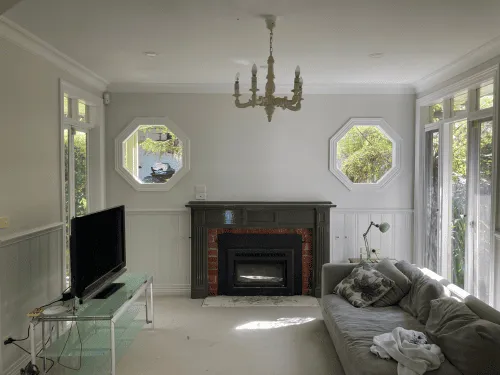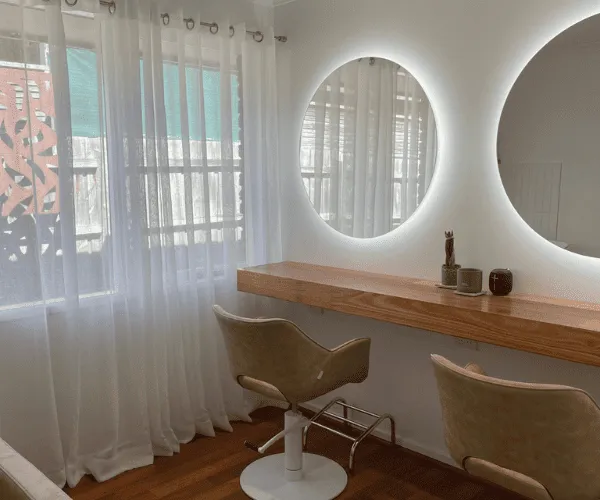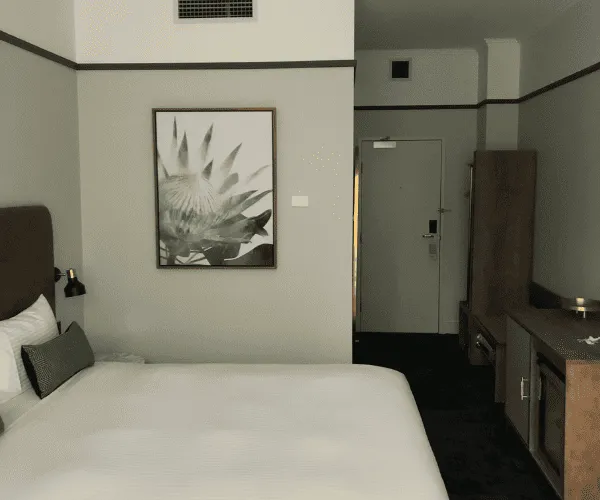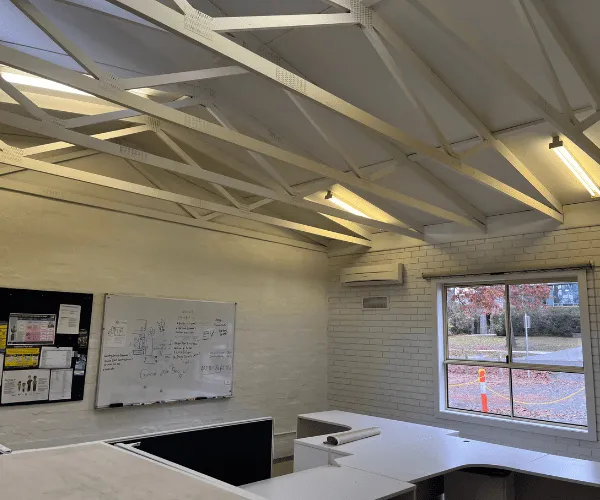
A tired lounge room, marked skirting boards, or a weathered exterior can change how buyers feel about a property before they have even looked at the floor plan. That is why so many owners ask the same question: does painting increase home value? In many cases, yes – but not simply because the walls look fresher. Painting can lift presentation, suggest better upkeep, and help a home feel move-in ready, which often supports a stronger sale price and better buyer interest.
The key is knowing where paint adds value, where it only adds cost, and how to make choices that appeal to the market rather than just personal taste.
Does painting increase home value in real terms?
Painting usually increases perceived value first, and sale value second. That distinction matters. Buyers do not inspect a property like tradespeople. They respond quickly to how clean, bright, and well-maintained a home feels. Fresh paint improves that first impression fast.
When a home presents well, buyers are more likely to see it as cared for. That can reduce the mental list of jobs they think they will need to do after settlement. The fewer objections they carry into a negotiation, the better your position tends to be.
That does not mean every paint job produces a dollar-for-dollar return. If the property is already in excellent condition and recently updated, repainting everything may not shift the result much. On the other hand, if surfaces are dated, marked, faded, or inconsistent from years of patch-up work, painting can make a noticeable difference.
For sellers, the value often shows up in three ways: stronger buyer appeal, a faster sale, and fewer low offers based on cosmetic work buyers believe they will need to budget for.
Why buyers react so strongly to fresh paint
Paint affects the overall impression of a home more than many owners expect. Flooring, cabinetry, lighting, and styling all matter, but paint covers a large visual area. It sets the tone in every room and frames how everything else looks.
Fresh, well-chosen paint can make spaces feel brighter, cleaner, and larger. It can also bring together mismatched finishes and reduce visual distractions. That matters during open homes, online listing photos, and private inspections, where buyers form opinions quickly.
There is also a trust factor. A freshly painted home often feels better maintained, especially when the work is neat and consistent. Buyers may assume the owner has stayed on top of other upkeep as well. That assumption is not always correct, but it is a real part of how properties are judged.
The areas where painting usually adds the most value
Not every room has the same impact. If you are deciding where to spend money before selling, focus on the areas that shape first impressions and everyday liveability.
Interior living areas
Living rooms, kitchens, hallways, and entry areas generally deliver the strongest return because they are highly visible and heavily used. If these spaces look fresh, the whole home tends to feel more inviting.
Neutral colours usually work best here. Soft whites, warm neutrals, and light greys can make rooms feel open without looking stark. The goal is not to make the home bland. It is to make it easier for buyers to picture their own furniture and style in the space.
Bedrooms and ceilings
Bedrooms benefit from paint when walls are dark, dated, or marked. A fresh neutral scheme can calm the room and improve consistency across the house. Ceilings also matter more than owners often realise. A tired ceiling can make an otherwise solid room feel older than it is.
Exterior presentation
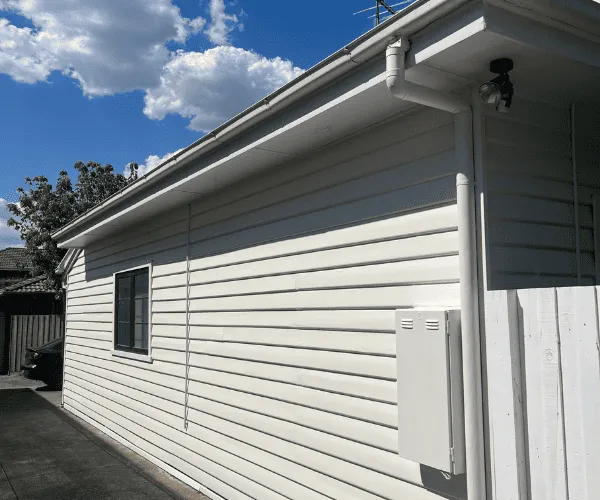
If the exterior looks neglected, buyers may carry that concern into the rest of the inspection. Front fencing, weatherboards, rendered walls, eaves, trims, and the front door all contribute to street appeal.
For many homes, exterior painting is one of the clearest ways to improve first impressions. It can also support practical maintenance by helping protect surfaces from weather exposure. That combination of visual improvement and surface protection is where painting can do more than just make a property look better.
When painting may not be worth it
Painting is not always the best pre-sale spend. If a property needs more urgent work, such as obvious plaster damage, timber issues, or other repairs, buyers will usually notice those problems regardless of the paint finish. In that case, painting should be part of a broader plan rather than a quick cover-up.
It may also be unnecessary if the existing paintwork is already modern, clean, and in good condition. Spending money repainting a home that already presents well can produce only a marginal gain.
The same goes for highly customised renovations where buyers are likely to renovate anyway. If you are selling a property mainly for land value or as a full renovation opportunity, extensive cosmetic painting may not return much.
The difference between painting for living and painting for selling
When you are painting a home to enjoy for the next five or ten years, personal taste plays a bigger role. When you are painting to support resale, the strategy changes.
Buyers generally respond best to colours that feel clean, current, and easy to work with. Loud feature walls, very dark rooms, or unusual combinations can narrow appeal. Even if some buyers like those choices, others may see extra work.
For resale, consistency matters. A home with one cream room, one blue room, one charcoal wall, and one outdated beige hallway can feel disjointed. A simple, cohesive palette creates flow and makes the property feel more finished.
That is where professional advice helps. A painter with experience in residential presentation can often tell which areas need attention, what can stay as is, and which colours are likely to suit the home and the market.
Quality matters more than many sellers think
A rushed or uneven paint job can work against you. Buyers notice rough cutting in, patchy coverage, drips, and inconsistent finishes, especially in natural light. Rather than adding value, poor workmanship can make the property feel cheaply prepared.
Professional painting tends to deliver better results because the prep work is handled properly, surfaces are assessed before paint goes on, and the finish is more consistent. That matters if you want the improvement to hold up through photography, inspections, and contract negotiations.
It also saves time. Sellers often underestimate how long it takes to prepare rooms, protect surfaces, repair minor wall issues, and apply multiple coats properly. If you are working to a sale campaign deadline, reliable turnaround becomes part of the value.
Does painting increase home value enough to justify the cost?
Usually, painting is one of the more cost-effective ways to improve presentation before sale, especially compared with major renovations. A full kitchen or bathroom upgrade can cost a great deal more and may not return its full spend. Painting, by comparison, can noticeably improve how the entire property is perceived without changing the layout or fittings.
That said, the return depends on the starting condition, the scope of work, and the market. A well-located Melbourne home in a competitive suburb may benefit strongly from fresh presentation because buyers are comparing many similar properties. In that environment, small differences in finish and upkeep can influence interest and offers.
If your budget is limited, targeted painting often makes more sense than repainting every surface. Prioritise the entry, main living areas, the front façade, and any rooms that look tired in photos. Those are usually the areas where buyers make their quickest judgements.
How to decide before you commit
Start by looking at your home as a buyer would. Stand at the front gate. Walk through the entry. Look at the walls in daylight, not evening lamp light. Then check your home through the lens of listing photos, because many buyers will first judge it on a screen.
Ask yourself whether the paintwork makes the property feel fresh and well kept, or whether it creates hesitation. If you notice dated colours, visible marks, uneven touch-ups, or exterior areas that drag down the overall impression, painting is likely worth considering.
It also helps to think about the rest of the property. If the home is tidy, well-styled, and structurally sound, painting can elevate the whole presentation. If broader repair or maintenance work is needed, deal with those items as part of the same preparation plan. A company that can manage painting along with related repair work can make that process simpler and more consistent.
For owners who want practical advice rather than guesswork, getting a professional quote can clarify the likely scope, timing, and cost. That makes it easier to decide whether a full repaint, a partial repaint, or focused maintenance work is the best move before sale.
Fresh paint will not fix every issue, and it will not turn a poor property into a premium one. But when the fundamentals are sound, it can make a home look better cared for, more current, and easier to say yes to. That is often what helps value move in the right direction.