Plaster Wall Repair Melbourne: What Matters

Plaster Wall Repair Melbourne: What Matters

Need plaster wall repair Melbourne property owners can trust? Learn what causes wall damage, when to repair it, and what a quality finish involves.

A wall can look fine from across the room, then show every dent, crack and uneven patch the moment fresh paint goes on. That is why plaster wall repair Melbourne property owners book before painting is not a minor extra – it is the work that makes the finish look right and last properly.

For homeowners, it is often about getting living spaces back to a clean, smooth standard. For property managers and commercial clients, it is also about presentation, maintenance and avoiding bigger issues later. Either way, good plaster repair is less about hiding damage and more about restoring the surface so the final paintwork performs as it should.

Why plaster wall repair matters before painting

Paint does not fix a damaged wall. In fact, new paint usually makes poor surfaces more obvious. Light catches hollows, raised sections and rough patches quickly, especially in hallways, living areas, offices and reception spaces where walls get a lot of visibility.

A proper repair creates a level, stable base. That affects both appearance and durability. If the wall is not prepared correctly, even premium paint can end up highlighting the problem rather than improving it.

This is one reason many property owners prefer to have repairs and painting handled by the same contractor. The repair work is done with the final finish in mind, not as a separate job with a different standard. It saves time, avoids finger-pointing and leads to a better result on completion.

Common reasons walls need repair

Not every damaged wall has the same cause, and that matters because the right repair method depends on what happened in the first place. A small impact mark in a hallway needs a different approach from movement cracking around a doorway or older surface wear in a rental property.

Everyday knocks are common in busy homes and commercial spaces. Furniture scrapes, door handle marks and accidental impacts can leave dents or break the plaster face. Over time, minor movement in a building can also show up as fine cracking, particularly near joins, cornices, windows and doors.

Older walls may have multiple layers of past patching, uneven sanding or surface fatigue from years of maintenance. In those cases, the problem is not always one obvious damaged spot. Sometimes the whole wall needs attention to get it back to a paint-ready condition.

Moisture can also affect plaster, although the repair should not start with the cosmetic side alone. If there is an active source of moisture, that issue needs to be identified and addressed before the wall is repaired and painted. Otherwise, the same damage can return.

Plaster wall repair Melbourne homes often need

In Melbourne homes, repair work often comes down to wear in high-traffic areas, settling movement and the realities of maintaining older properties. A newer home may only need isolated patching. An older period home or heavily used investment property may need more extensive surface correction across several rooms.

That is where experience matters. A clean-looking patch is not enough on its own. The repaired area has to blend with the surrounding wall so the finish looks consistent once painted. Texture, flatness and edge control all play a part.

For residential clients, that can mean restoring bedrooms, lounges, stairwells and entryways so they look fresh again. For commercial settings, it may mean repairing boardroom walls, retail fit-outs, common areas or tenancies between occupants. The goal is the same – a sound wall and a professional finish.

What a quality plaster repair actually involves

Good repair work is methodical. First, the damaged area needs to be assessed properly. That includes checking whether the issue is localised or part of a wider problem such as movement, poor previous repairs or underlying substrate damage.

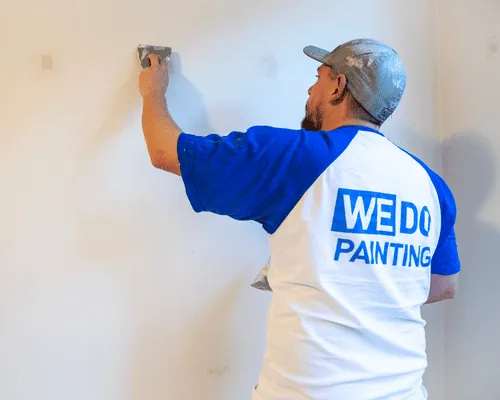
From there, loose or compromised material is removed, the area is stabilised and the surface is rebuilt using the right compounds and techniques for the job. Depending on the damage, that may involve patching, setting, stopping up joins, or reworking surrounding sections to create an even transition.

Drying and sanding are just as important as filling. Rushing this stage usually shows in the final result. A wall might appear acceptable before paint, then reveal ridges, flashing or uneven sections once coated and viewed in natural or artificial light.

The last step is preparing the repaired area so it accepts paint evenly. That matters because plaster patches and existing wall surfaces can absorb coatings differently. Without proper preparation, the finish may not look uniform across the wall.

When a small patch is enough and when it is not

This is where honest advice counts. Some jobs only need a straightforward local repair. If the damage is limited and the surrounding surface is in good condition, patching the affected area can be the most practical and cost-effective option.

But sometimes a small patch on paper turns into a bigger presentation issue in real life. If the wall has multiple damaged areas, previous rough repairs or visible unevenness across a broad section, spot-fixing one or two marks may not deliver a clean result. In that case, wider preparation is often worth it.

The same applies in spaces with strong side lighting. Sunlight from large windows or directional lighting in offices and retail environments can expose every inconsistency. A more comprehensive repair and preparation process may cost more upfront, but it usually produces a far better finish.

The trade-off between speed and finish

Most clients want repairs done quickly, and that is fair. Homes need to get back to normal, and commercial spaces often work to tight schedules. But plaster repair has limits if the finish is meant to be high quality.

Drying times, curing and careful sanding cannot always be compressed without affecting the result. Fast turnaround is possible when the scope is clear and the work is planned properly, but there is a difference between working efficiently and cutting corners.

A dependable contractor will be upfront about that. If a wall needs more than a quick cosmetic patch to look right under paint, it is better to know before the job starts. Clear expectations save frustration and help clients choose the right level of repair for the property, budget and timeline.

Choosing the right contractor for plaster wall repair Melbourne

When you are comparing contractors, look beyond the promise of a smooth wall. The real question is whether they understand how repair work and painting fit together. A patch that looks acceptable before coating can still fail the test once the room is fully finished.

It helps to choose a team that handles both repairs and painting as part of one service. That means the wall is assessed with the final appearance in mind, and the standard stays consistent from preparation through to finishing coats.

Communication also matters. You want clear advice on what needs attention now, what is optional, how long the work will take and what result you can reasonably expect. That is especially important for investment properties, tenanted spaces and commercial jobs where timing and access need to be managed carefully.

For many Melbourne property owners, reliability is just as important as workmanship. Turning up when promised, keeping the site tidy and delivering the agreed result are not extras. They are part of a professional job.

Repair first, then get more from the paintwork

Fresh paint gets the credit because it is the part everyone sees. But the surface underneath decides whether the room feels sharp and finished or only half done. Well-repaired plaster gives paint the best chance to look even, hold up well and lift the whole space.

That is true whether you are preparing a family home for an update, getting a rental ready for new tenants or improving a commercial property’s presentation. The repair work supports the value of everything that comes after it.

At WE DO Painting, that practical approach matters. The job is not just to cover a wall. It is to leave it ready for a finish that looks professional and stays that way.

If your walls are marked, cracked or uneven, the smartest next step is not guessing how they will look under paint. It is getting them assessed properly, so you can make a decision based on the finish you want and the standard your property deserves.